MELAcare Webinar with Pete Gibbons: Register here >

Products Service Discover Contact
  • System Solution
  • Best Sellers
  • Autoclaves
  • Large autoclaves
  • Small autoclaves
  • Careclave
  • MELAcare
  • Washer-Disinfectors
  • Ultrasonic cleaners
  • Sealing Devices
  • Packaging
  • Documentation
  • MELAverse
  • Care
  • Water Treatment
  • Routine Testing
  • Consumables
  • Best Sellers
    Best Sellers
  • Autoclaves
    Autoclaves
  • Large autoclaves
    Large autoclaves
  • Small autoclaves
    Small autoclaves
  • Careclave
    Careclave
  • MELAcare
    MELAcare
  • Washer-Disinfectors
    Washer-Disinfectors
  • Ultrasonic cleaners
    Ultrasonic cleaners
  • Sealing Devices
    Sealing Devices
  • Packaging
    Packaging
  • Documentation
    Documentation
  • MELAverse
    MELAverse
  • Care
    Care
  • Water Treatment
    Water Treatment
  • Routine Testing
    Routine Testing
  • Consumables
    Consumables
Best Sellers
Best Sellers
  • Premium Class
    Premium Class
  • Prime Line (Class B)
    Prime Line (Class B)
  • Pro Line (Class B)
    Pro Line (Class B)
  • Pro Line (Class S)
    Pro Line (Class S)
  • Vacuclave 105 / 305
    Vacuclave 105 / 305
  • Vacuclave 550
    Vacuclave 550
  • Cliniclave 45 Series
    Cliniclave 45 Series
  • Vacuklav 24 BL+
    Vacuklav 24 BL+
  • Accessories & components for autoclaves
    Accessories & components for autoclaves
  • Cliniclave 45
    Cliniclave 45
  • Cliniclave 45 M
    Cliniclave 45 M
  • Cliniclave 45 D
    Cliniclave 45 D
  • Cliniclave 45 MD
    Cliniclave 45 MD
  • Vacuclave 550
    Vacuclave 550
  • Accessories & components for large autoclaves
    Accessories & components for large autoclaves
  • Vacuclave 105
    Vacuclave 105
  • Vacuclave 305
    Vacuclave 305
  • MELAquick Series
    MELAquick Series
  • Careclave
    Careclave
  • Carebox Blue
    Carebox Blue
  • Carebox Green
    Carebox Green
  • Cooling Box
    Cooling Box
  • Care Oil
    Care Oil
  • Accessories & components for Careclave
    Accessories & components for Careclave
  • MELAcare
    MELAcare
  • MELAcare Lid Blue
    MELAcare Lid Blue
  • MELAcare Lid Green
    MELAcare Lid Green
  • Care Oil
    Care Oil
  • Accessories & components for MELAcare
    Accessories & components for MELAcare
  • MELAtherm 20
    MELAtherm 20
  • MELAtherm 10 Evolution
    MELAtherm 10 Evolution
  • Ultrasonic cleaners
    Ultrasonic cleaners
  • Loading patterns
    Loading patterns
  • Baskets & Adapters
    Baskets & Adapters
  • MEtherm Process Agents
    MEtherm Process Agents
  • MELAcontrol Wash Check
    MELAcontrol Wash Check
  • Regenerating Salt
    Regenerating Salt
  • Accessories & components for thermal disinfectors
    Accessories & components for thermal disinfectors
Ultrasonic cleaners
Ultrasonic cleaners
  • MELAseal 300
    MELAseal 300
  • MELAseal 200
    MELAseal 200
  • MELAseal 100+
    MELAseal 100+
  • MELAfol+
    MELAfol+
  • Routine Testing
    Routine Testing
  • Seal Seam Stability Test
    Seal Seam Stability Test
  • Accessories & components for sealing devices
    Accessories & components for sealing devices
  • MELAstore Trays
    MELAstore Trays
  • MELAstore Tray Ophthalmology
    MELAstore Tray Ophthalmology
  • MELAstore Boxes
    MELAstore Boxes
  • Sterilization Containers
    Sterilization Containers
  • MELAstore transport box
    MELAstore transport box
  • MELAfol+
    MELAfol+
  • Sterilisation paper
    Sterilisation paper
  • Accessories & components for sterile goods storage
    Accessories & components for sterile goods storage
  • MELAtrace
    MELAtrace
  • MELAverse
    MELAverse
  • MELAprint 80
    MELAprint 80
  • MELAprint 60
    MELAprint 60
  • MELAdoc
    MELAdoc
  • MELAcontrol
    MELAcontrol
  • MELAflash
    MELAflash
  • MELAnet Box
    MELAnet Box
  • Accessories & components for documentation
    Accessories & components for documentation
MELAverse
MELAverse
  • Care Oil Spray
    Care Oil Spray
  • Chamber Protect
    Chamber Protect
  • MELAdem 40
    MELAdem 40
  • MELAdem 47
    MELAdem 47
  • MELAdem 53
    MELAdem 53
  • MELAdem 53 C
    MELAdem 53 C
  • MELAdem 56
    MELAdem 56
  • MELAjet
    MELAjet
  • Accessories & components for water treatment
    Accessories & components for water treatment
  • MELAcontrol Helix
    MELAcontrol Helix
  • MELAcontrol Pro
    MELAcontrol Pro
  • MELAcontrol Type 5
    MELAcontrol Type 5
  • MELAcontrol Bowie & Dick Test
    MELAcontrol Bowie & Dick Test
  • MELAcontrol Wash Check
    MELAcontrol Wash Check
  • MELAcontrol Seal Check
    MELAcontrol Seal Check
  • Seal Seam Stability Test
    Seal Seam Stability Test
  • MELAcontrol Ink Test
    MELAcontrol Ink Test
Consumables
Consumables
  • MELAG Service World
  • Downloadcenter
  • Troubleshooting
  • Video Tutorials
  • Device Registration
  • Service Portal
  • Technical Training
  • Configurator
  • Downloadcenter
    Downloadcenter
  • Troubleshooting
    Troubleshooting
  • Video Tutorials
    Video Tutorials
  • Device Registration
    Device Registration
  • Service Portal
    Service Portal
  • Technical Training
    Technical Training
  • Configurator
    Configurator
Downloadcenter
Downloadcenter
Troubleshooting
Troubleshooting
  • MELAcare Tutorials
    MELAcare Tutorials
  • Careclave Tutorials
    Careclave Tutorials
  • Autoclaves Tutorials
    Autoclaves Tutorials
  • Washer-Disinfector Tutorials
    Washer-Disinfector Tutorials
  • MELAseal 200 Tutorials
    MELAseal 200 Tutorials
  • MELAseal 300 Tutorials
    MELAseal 300 Tutorials
  • MELAtrace Tutorials
    MELAtrace Tutorials
Device Registration
Device Registration
Service Portal
Service Portal
Technical Training
Technical Training
Configurator
Configurator
  • Promotions
    Promotions
  • Success Stories
    Success Stories
  • Inspiration & Tips
    Inspiration & Tips
  • News
    News
  • Family Business & Jobs
    Family Business & Jobs
Promotions
Promotions
Success Stories
Success Stories
Inspiration & Tips
Inspiration & Tips
News
News
Family Business & Jobs
  • Book a consultation: On-site, online or in a showroom
    Book a consultation: On-site, online or in a showroom
  • Your sales contacts
    Your sales contacts
  • Fairs & Congresses
    Fairs & Congresses
  • Contact form
    Contact form
  • Company & Apprenticeship
    Company & Apprenticeship
Book a consultation: On-site, online or in a showroom
Your sales contacts
Your sales contacts
Fairs & Congresses
Fairs & Congresses
Contact form
Contact form
Company & Apprenticeship
Free Webinar: For more hygiene, better instrument protection & clear workflows
Learn more
Identify errors, find solutions: Our Troubleshooting Portal for MELAG products
Start troubleshooting
Free Webinar: For more hygiene, better instrument protection & clear workflows
Learn more
Do you have any questions? We have the answers! Our hygiene experts will be happy to advise you.
Contact us now
|
Specialties
  • Dental
  • Medical
  • Ophthalmo
  • Hospital
  • Veterinary
  • Podiatry
  • University
Select language and country

Newsletter Subscription

Register for our newsletter and always stay up to date.

Products
  • Instrument Reprocessing
  • Autoclaves
  • Washer-Disinfectors
  • Ultrasonic cleaners
  • MELAcare
  • Careclave
  • Sealing Devices
Service
  • Downloads
  • Troubleshooting
  • Video Tutorials
  • Blog
Company
  • We are MELAG
  • Sustainability
  • History
  • News
  • Contact
  • Ultrasonic cleaners
  • Instrument Reprocessing
  • Autoclaves
  • Washer-Disinfectors
  • Ultrasonic cleaners
  • MELAcare
  • Careclave
  • Sealing Devices
  • Downloads
  • Troubleshooting
  • Video Tutorials
  • Blog
  • We are MELAG
  • Sustainability
  • History
  • News
  • Contact
  • Imprint
  • Terms and Conditions
  • Privacy
  • Whistleblower
  • Open Cookie Settings

Β© MELAG Medizintechnik GmbH & Co. KG

Placeholder for alt text

Autoclaves in the ENT practice

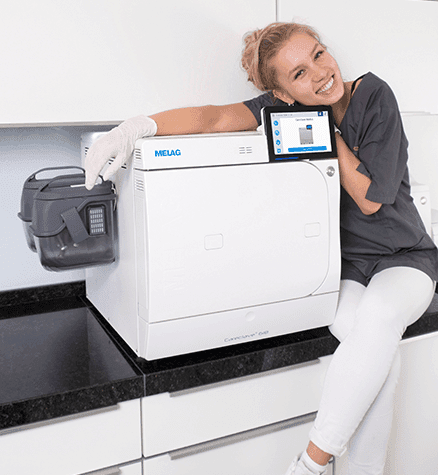
In ENT practices, the sterilization of instruments plays a decisive role in patient safety and compliance with hygiene standards.

Discover Autoclaves

Enable YouTube content

To play this video, please allow cookies and other external services from YouTube.

What is an autoclave and why is it important in ENT practice?

An autoclave is a medical device that is used to sterilize instruments. The combination of saturated steam and high pressure effectively kills all microorganisms, including bacteria, viruses and fungi. Numerous instruments are used in ENT practices that come into direct contact with mucous membranes and therefore pose an increased risk of infection. Regular and thorough sterilization of these instruments is therefore essential to avoid cross-contamination and ensure patient safety.

Class B autoclaves: the optimal choice for ENT practices

When selecting a suitable autoclave for an ENT practice, a class B autoclave is recommended. These devices work with the fractionated vacuum process, which is particularly effective for sterilizing hollow instruments. Multiple vacuum cycles remove the air from the sterilization chambers so that the steam can penetrate even complex instruments and ensure complete sterilization.

Discover our autoclave product portfolio >

Enable YouTube content

To play this video, please allow cookies and other external services from YouTube.

Routine testing and quality assurance

Routine tests and quality assurance measures are essential to ensure the functionality of an autoclave and guarantee perfect sterilization. These tests help to continuously monitor the sterilization processes and detect problems at an early stage before they jeopardize patient safety.

Here are the most important tests and quality assurance measures in an ENT practice in detail:

Weekly vacuum test


The vacuum test is a routine test that should be carried out once a week. The aim of this test is to check the tightness of the autoclave and ensure that the device can generate a sufficient vacuum.

  • Why is the vacuum test important?The vacuum process is crucial to remove air from the sterilization chamber and instruments. Even the smallest amount of residual air can prevent complete steam penetration, which would compromise sterilization.

  • How does the test work?During the vacuum test, the autoclave performs several cycles in which the chamber is checked for leaks. The device monitors whether a certain vacuum can be reached and maintained. If this is not the case, this indicates possible leaks.

  • Result and documentation:The test provides a report that documents whether the autoclave is working properly. If the test result is incorrect, the device should be checked and repaired immediately to ensure safety.

Helix test for hollow instruments


The helix test is a specific test for hollow instruments that should be carried out for every sterilization batch. Hollow-body instruments, such as those frequently used in ENT practices (e.g. suction cannulas, endoscopes), have special sterilization requirements.

  • What is the Helix test? The Helix test uses a spiral-shaped tube with an indicator strip inside. This tube simulates the conditions of a hollow body instrument, in particular its narrow channels and cavities.

  • How does the test work?Steam is passed through the helix tube during the sterilization process. The indicator strip at the end of the tube shows by discoloration whether the steam has reached the entire length of the tube. This confirms that the sterilization process is also penetrating areas that are difficult to access.

  • Why is the test crucial?Hollow-body instruments are particularly susceptible to incomplete sterilization, as residual air in the channels can prevent the steam from reaching the surface completely. The Helix test provides assurance that even these challenging instruments have been correctly reprocessed.


Batch control


Batch control is an essential part of quality assurance and takes place during every sterilization process. It documents that the sterilization conditions (temperature, pressure, time) for the respective batch have been adhered to.

  • Indicator strips and control systems:Chemical indicators are inserted into each batch and change colour to show whether the sterilization parameters have been met. Alternatively or in addition, modern autoclaves offer digital monitoring and logging systems that record the batch data.

  • Batchrelease:The batch is only released when all indicators show a positive result. If this is not the case, the instruments may not be used and must be sterilized again.

  • Documentation:The results of the batch control are saved in a logbook or digitally in the practice software. This is important for traceability and to meet legal requirements.


Logging and traceability


Complete documentation of all tests and sterilization processes is not only important for internal quality assurance, but is also a legal requirement in medical facilities.

  • Digital documentation:Many autoclaves offer the option of saving test results and sterilization protocols directly in digital form. These can be easily retrieved and evaluated at a later date.

  • Integration into the patient file:In some systems, the data can be transferred directly to the digital patient file to ensure the traceability of individual instruments.

  • Legal certainty:In the event of a claim, the practice is obliged to prove that all instruments have been reprocessed correctly. Complete and traceable documentation protects the practice from liability claims.

Important features of an autoclave for the ENT practice

1. loading capacity and flexibility

The instruments that need to be sterilized in an ENT practice vary greatly in size and shape - from small forceps and tweezers to endoscopes and other hollow instruments. A modern autoclave should therefore:

  • Provide sufficient capacity

    to accommodate both small and larger instrument sets in one sterilization batch. This reduces the number of sterilization cycles required and saves valuable time.

  • Ensure flexibility in loading

    is guaranteed. Loading systems such as washing trays, sterilization containers or special holders for endoscopes can facilitate the organization of instruments during sterilization.

Tip: Choose a model that can handle both single batches and larger quantities in order to be able to react flexibly to different practice requirements.

2. fast and efficient cycle times

In an ENT practice with a high volume of patients, the rapid availability of sterilized instruments is crucial. An autoclave with fast cycle times offers:

  • Time efficiency:

    Fast sterilization processes allow instruments to be reused within a short period of time. This is particularly important when instrument stocks are limited.

  • Energy-saving functions:

    Many modern autoclaves optimize their sterilization cycles to minimize water and energy consumption. This reduces operating costs and protects the environment.

Tip: Check the cycle duration of the models. Some devices offer quick programs that sterilize smaller instrument sets within 20-30 minutes.

3. fractionated vacuum process for hollow instruments

ENT practices often use complex hollow instruments such as endoscopes or surgical suction cannulas. These place special demands on sterilization:

  • The fractionated vacuum process

    removes the air completely from the sterilization chamber and the instruments through multiple vacuum and steam injection cycles. This allows the steam to penetrate even areas that are difficult to access, such as narrow channels and cavities.

  • This process ensures reliable sterilization and is essential for instruments with complex internal structures.

Tip: Make sure that the autoclave belongs to class B, as only devices in this class use the fractionated vacuum process.

4 Seamless documentation and traceability

In medical practices, the documentation of sterilization processes is not only a legal requirement, but also a decisive factor for quality assurance:

  • Integrated monitoring systems:

    Modern autoclaves have digital logging functions that record the entire sterilization process.

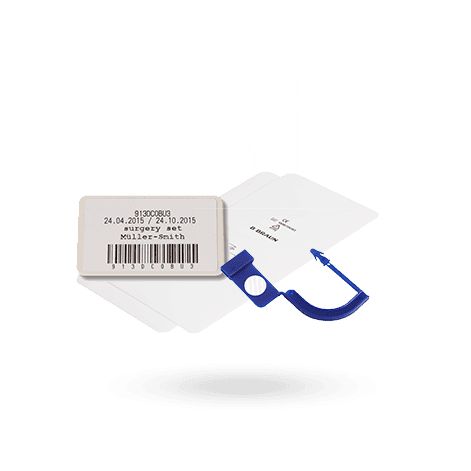
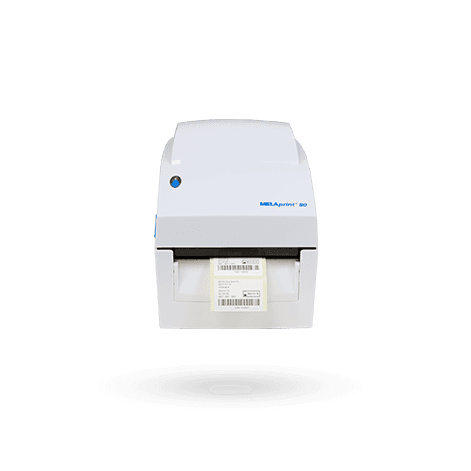
  • Barcode or label printing:

    After sterilization, labels with batch numbers can be printed and stuck to the sterilized instruments. This enables complete traceability back to the patient file.

  • Compatibility with practice software:

    Many devices can be connected to practice management systems so that data can be directly recorded and archived electronically.

Tip: An autoclave with integrated software saves time and facilitates legally compliant documentation.


5 Maintenance, service and reliability

An autoclave failure can affect the entire practice operation. It is therefore important that the device functions reliably and can be repaired quickly if necessary:

  • Availability of spare parts and technician support:an efficient service network from the manufacturer guarantees that problems can be rectified quickly. Choose a manufacturer with an extensive service network. Regular maintenance extends the service life of the device and prevents unexpected breakdowns.

  • Self-diagnostic systems:

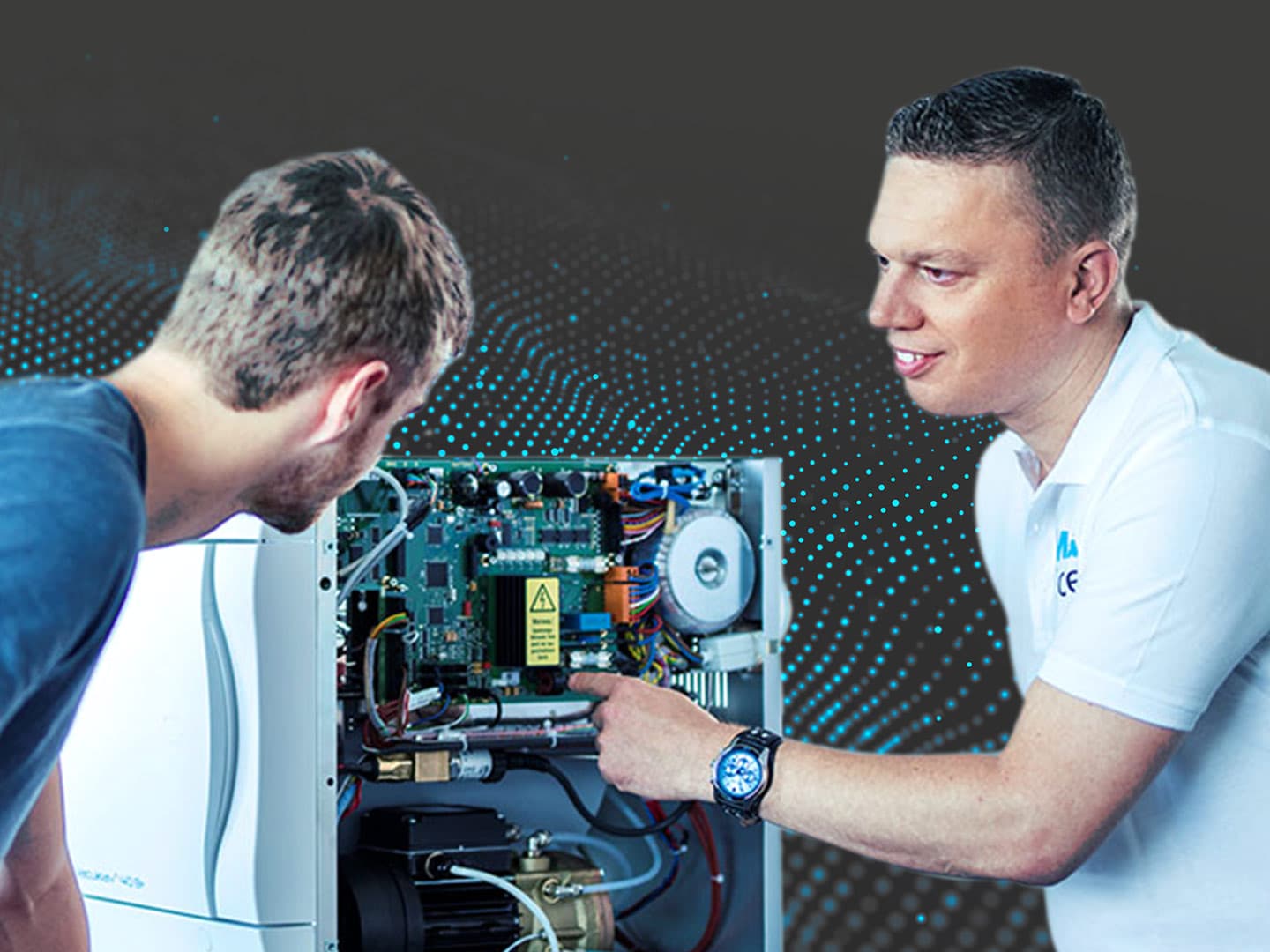
    Some modern autoclaves are equipped with intelligent diagnostic tools that detect errors at an early stage and indicate them precisely with error numbers on the display. Additional troubleshooting tools help to identify faults and provide possible recommendations for action.

Tip: Before purchasing, enquire about the manufacturer's technical support and the average response time in the event of a fault.


6 Compliance with legal requirements and standards


The autoclave must comply with the hygiene standards and regulations prescribed for medical practices:

  • EN 13060 certification:

    This standard is mandatory for small steam sterilizers and ensures that the device meets the high requirements.

  • Quality assurance tests:

    An autoclave should have functions for routine tests such as the vacuum test and the helix test to prove proper sterilization.

Tip: Make sure that the autoclave meets all applicable standards and that the required test procedures can be carried out easily.

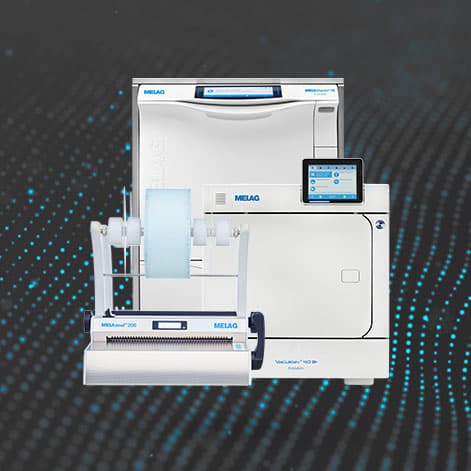
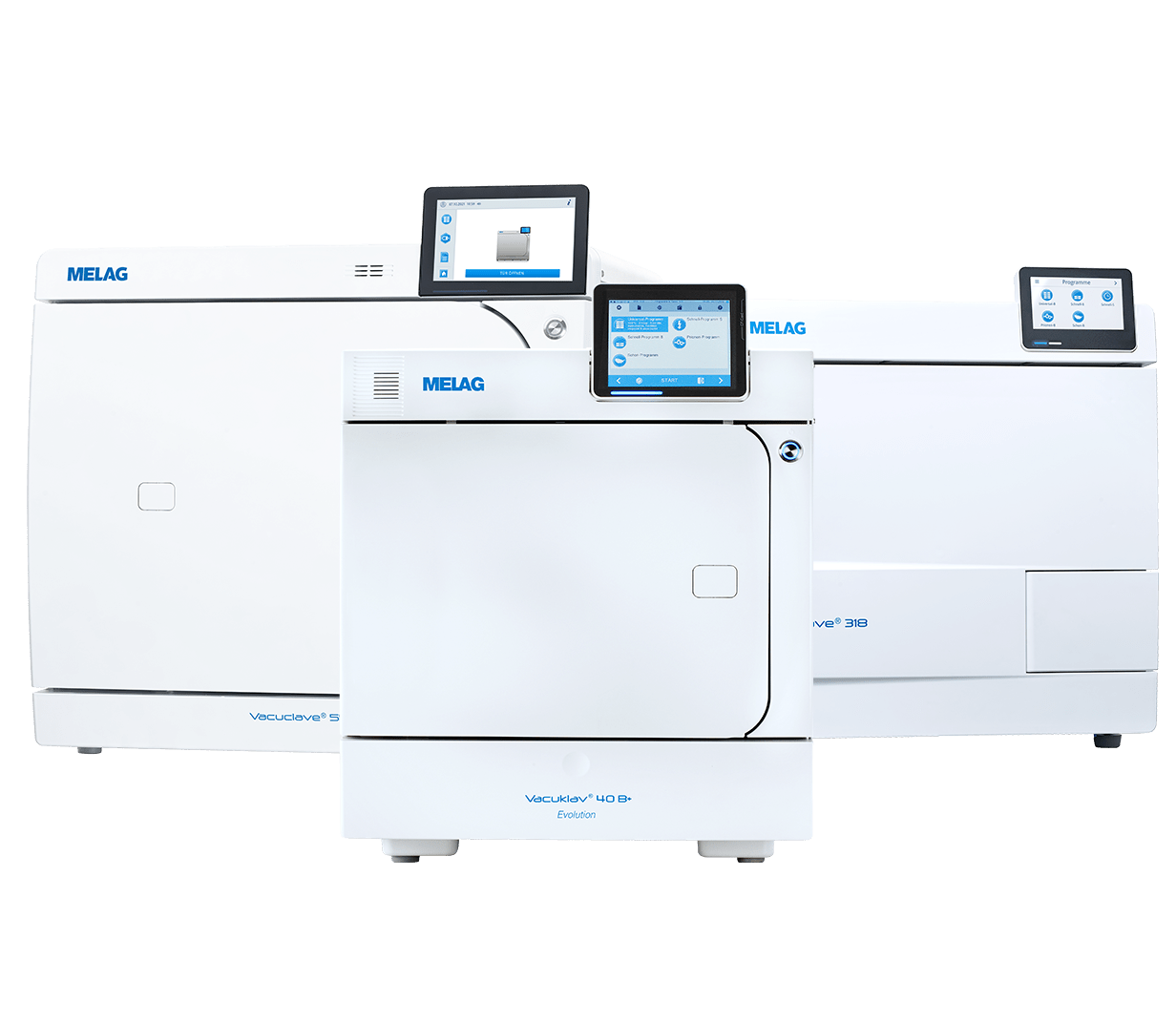
Collage-Autoklaven-min

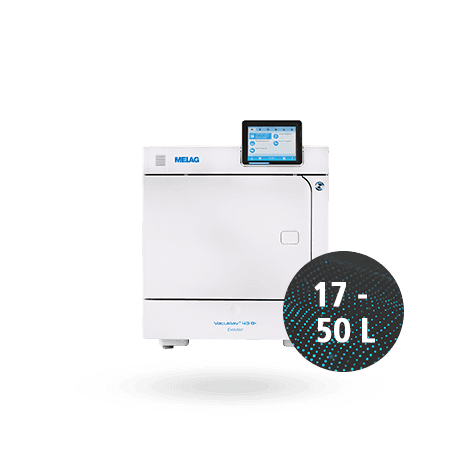
Struggling to choose the right autoclave?

With our product finder, you can find the right autoclave for your practice in a flash.

The autoclave product finder

Conclusion: The autoclave - the heart of the ENT practice

An autoclave is not just a technical necessity, but a central component of an ENT practice's identity. It stands for safety, efficiency, quality and professionalism. Choosing the right class B autoclave and maintaining it continuously is crucial to the success of the practice - not only in terms of treatment results, but also for building a long-term, stable and trusting relationship with patients.

A practice that sees its autoclave as the centerpiece and gives it the necessary attention is ideally positioned to meet the challenges of everyday practice life with confidence and ensure the highest standards of hygiene.

@MELAG_Medizintechnik

Become part of the MELAG family on Instagram.

Therminator
LIKE A BOSS MELAConnect INSTA.00 00 21 17.Still002
James Blond
242659556 1078731822897268 6204022075826677963 n
melag_medizintechnik
Therminator
LIKE A BOSS MELAConnect INSTA.00 00 21 17.Still002
James Blond
242659556 1078731822897268 6204022075826677963 n
La Casa
164138715 3507874006103570 311456217807659774 n
149845491 437586424027695 5214298580294819893 n
83934906 143956850408991 6347510830148386435 n
Therminator

2789 views

The MELAG THERMINATOR: As powerful as Schwarzenegger in his prime! πŸ€– The innovation from the future against viruses and germs.

Subscribe now
La Casa
164138715 3507874006103570 311456217807659774 n
149845491 437586424027695 5214298580294819893 n
83934906 143956850408991 6347510830148386435 n
Summary

Requirements for an autoclave in ENT practices

An autoclave for ENT practices must ensure the reliable sterilisation of the instruments used. Thanks to the fractional vacuum process, Class B autoclaves are particularly suitable for complex hollow instruments, such as those frequently used in ENT practices.

  • Capacity and flexible loading: The autoclave should offer sufficient space for a variety of instruments and instrument sets and support various loading systems.

  • Short cycle times: Fast sterilisation programmes ensure that instruments are available for treatment again promptly.
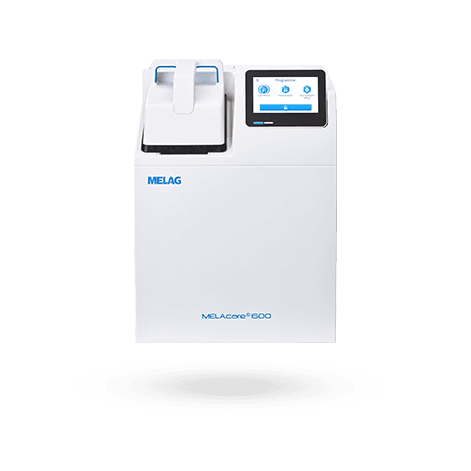
  • Reliable sterilisation of hollow instruments: The fractional vacuum process of a Class B autoclave enables steam penetration even in instruments with narrow channels and cavities.
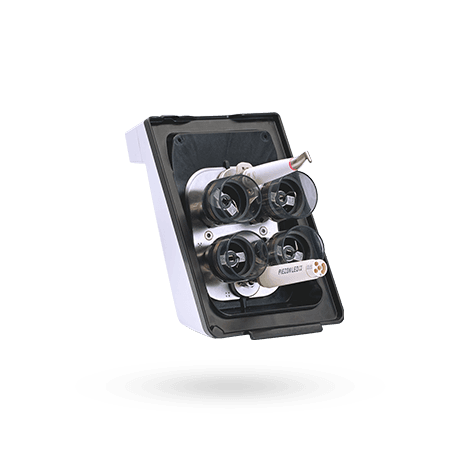
  • Documentation and traceability: Digital logging and suitable documentation solutions support the traceable recording and release of sterilisation batches.
  • Quality assurance: Routine checks such as vacuum and helix tests, as well as batch monitoring, serve to oversee the sterilisation process.

  • Reliability and service: Regular maintenance, a reliable supply of spare parts and prompt technical support help to minimise downtime in the practice.

Discover Autoclaves

Publication date: 9 June 2026

Book an appointment now
Siegfried Kontaktbild

Author: Siegfried Weinhart