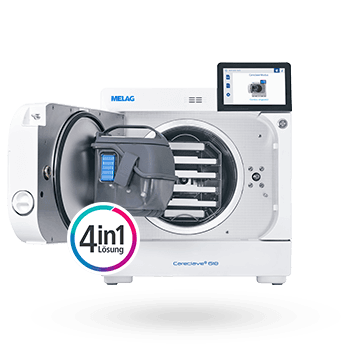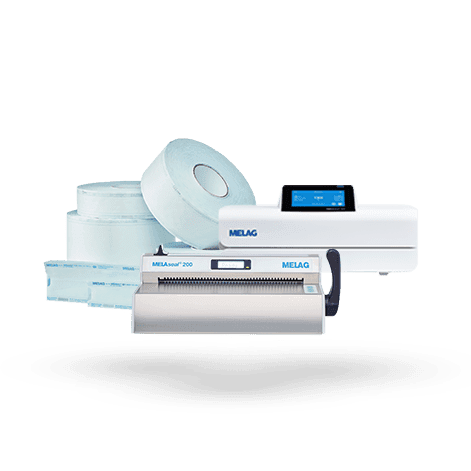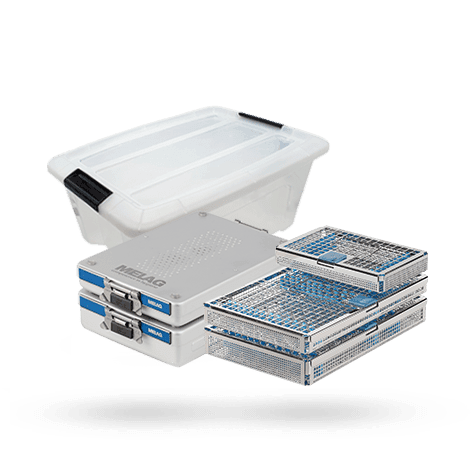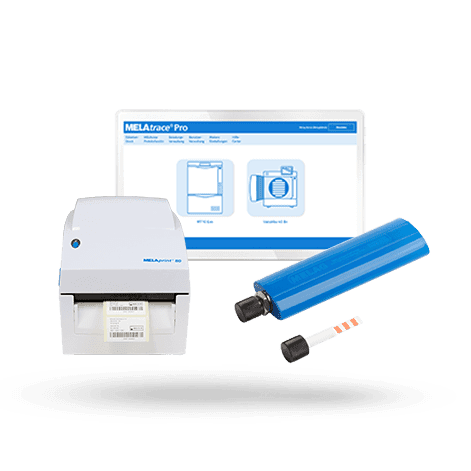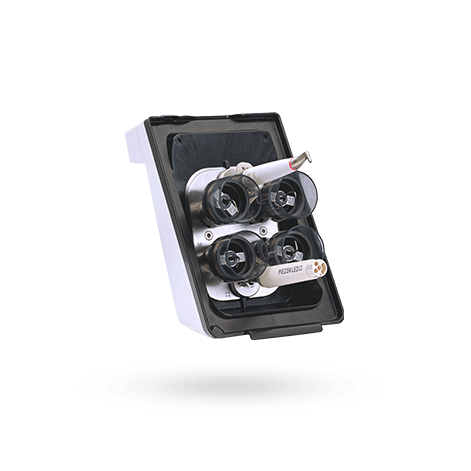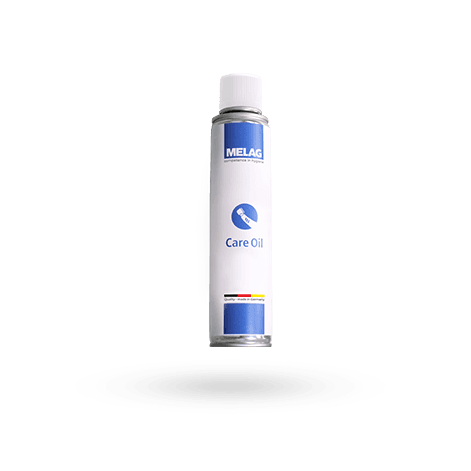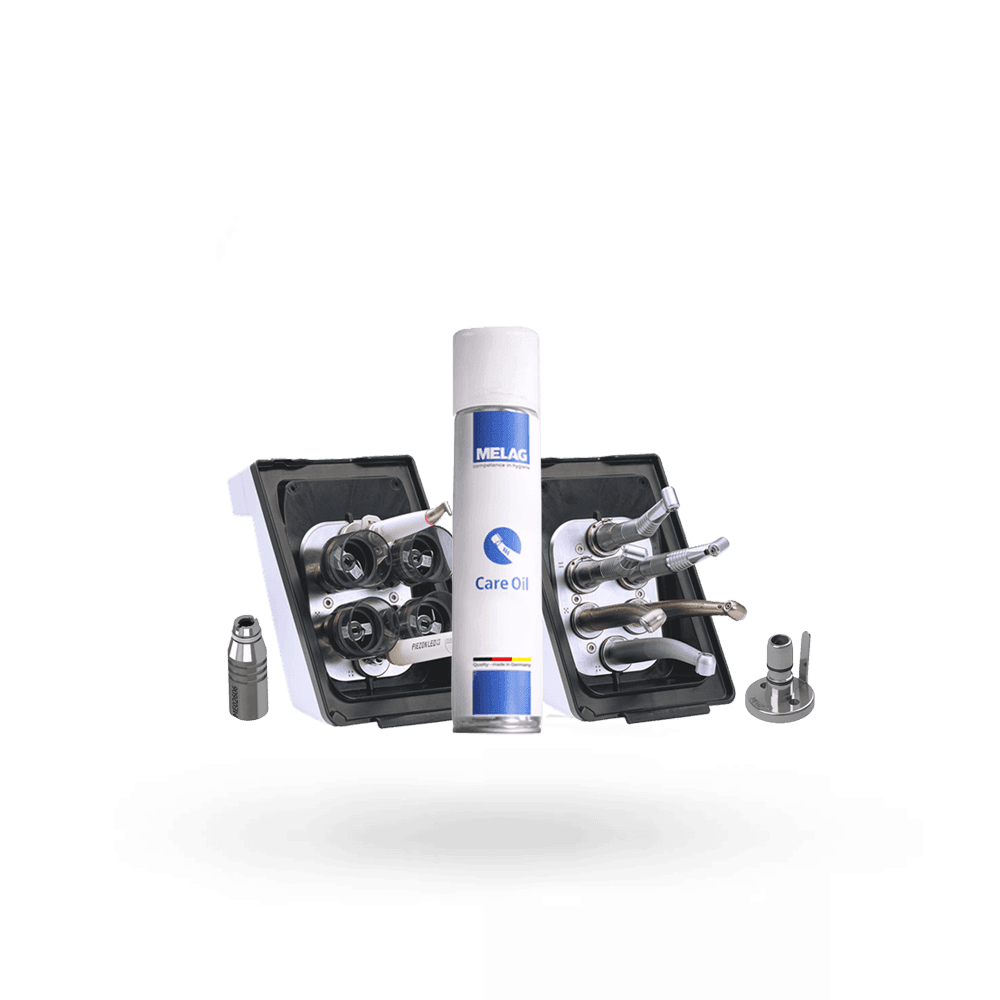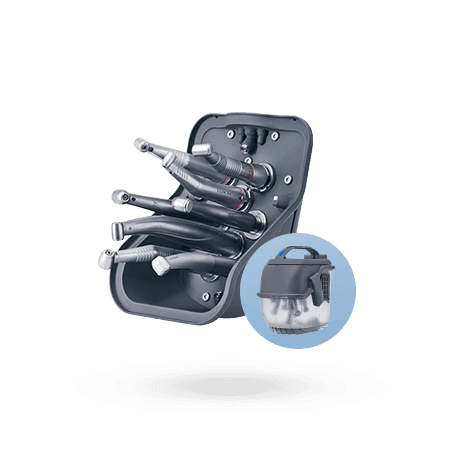
Wellness for instruments: Discover MELAcare >

|
    • Unbenannt-1Best Sellers
    • Autoclave Tile
      • premium-klassePremium Class
      • Prime LinePrime Line (Class B)
      • Pro Line Product picturePro Line (Class B)
      • MicrosoftTeams-image (1196)-minPro Line (Class S)
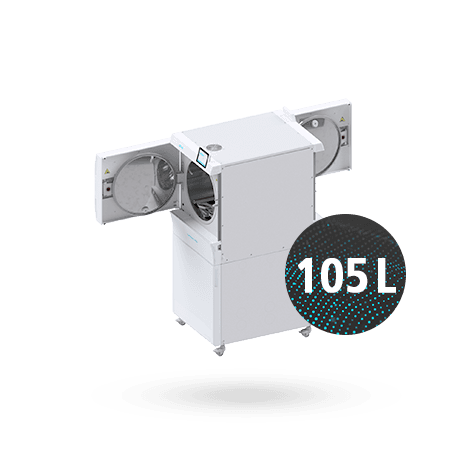
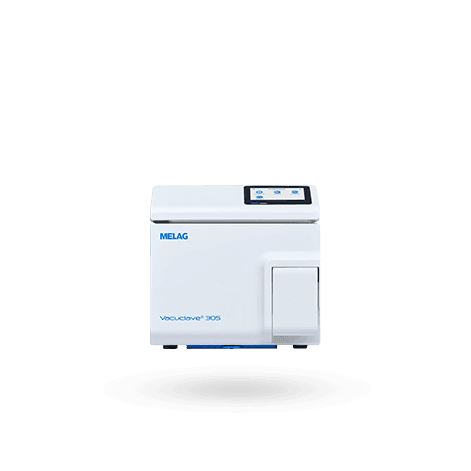
      • 150 2Vacuclave 105 / 305
      • Vacuclave 550 Menu ElementVacuclave 550
      • Grossautoklaven-SystemloesungCliniclave 45 Series
      • 24-BL-StoererVacuklav 24 BL+
      • MELAtronic ProduktfotoMELAtronic Series
      • Zubehör Careclave ProduktfotoAccessories & components for autoclaves
    • Grossautoklaven-Systemloesung
      • Cliniclave 45 Produktfoto für Kaegorie MenuCliniclave 45
      • Cliniclave 45 M ProduktfotoCliniclave 45 M
      • Cliniclave 45 D ProduktfotoCliniclave 45 D
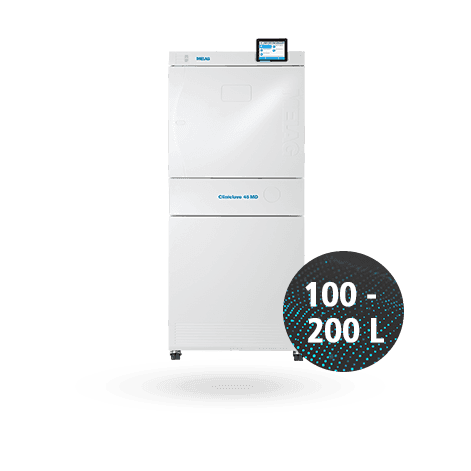
      • Cliniclave 45 MD ProduktfotoCliniclave 45 MD
      • Vacuclave 550 Menu ElementVacuclave 550
      • Großautoklaven Zubehör ProduktfotoAccessories & components for large autoclaves
    • 150 2
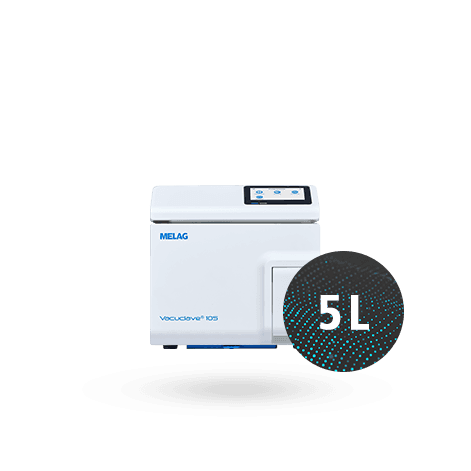
      • 150-ohne 1Vacuclave 105
      • 350-ohne 1Vacuclave 305
      • MELAquick ProduktfotoMELAquick Series
      • MELAtronic ProduktfotoMELAtronic Series
    • mt20-gross
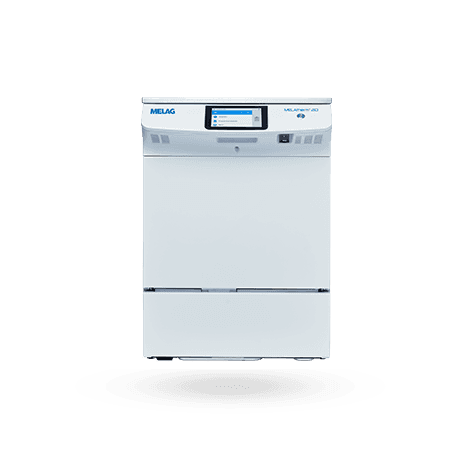
      • mt20-grossMELAtherm 20
      • MT10EVO_Produkt_geschlossenMELAtherm 10 Evolution
      • Körbe und Adapter ProduktfotoLoading patterns
      • Collage-Korb 3-minBaskets & Adapters
      • MEtherm Process Agents ProduktfotoMEtherm Process Agents
      • teaser-washcheckMELAcontrol Wash Check
      • Regenerating SaltRegenerating Salt
      • MELAtherm Zubehör MenuAccessories & components for thermal disinfectors
    • MELAcare 1
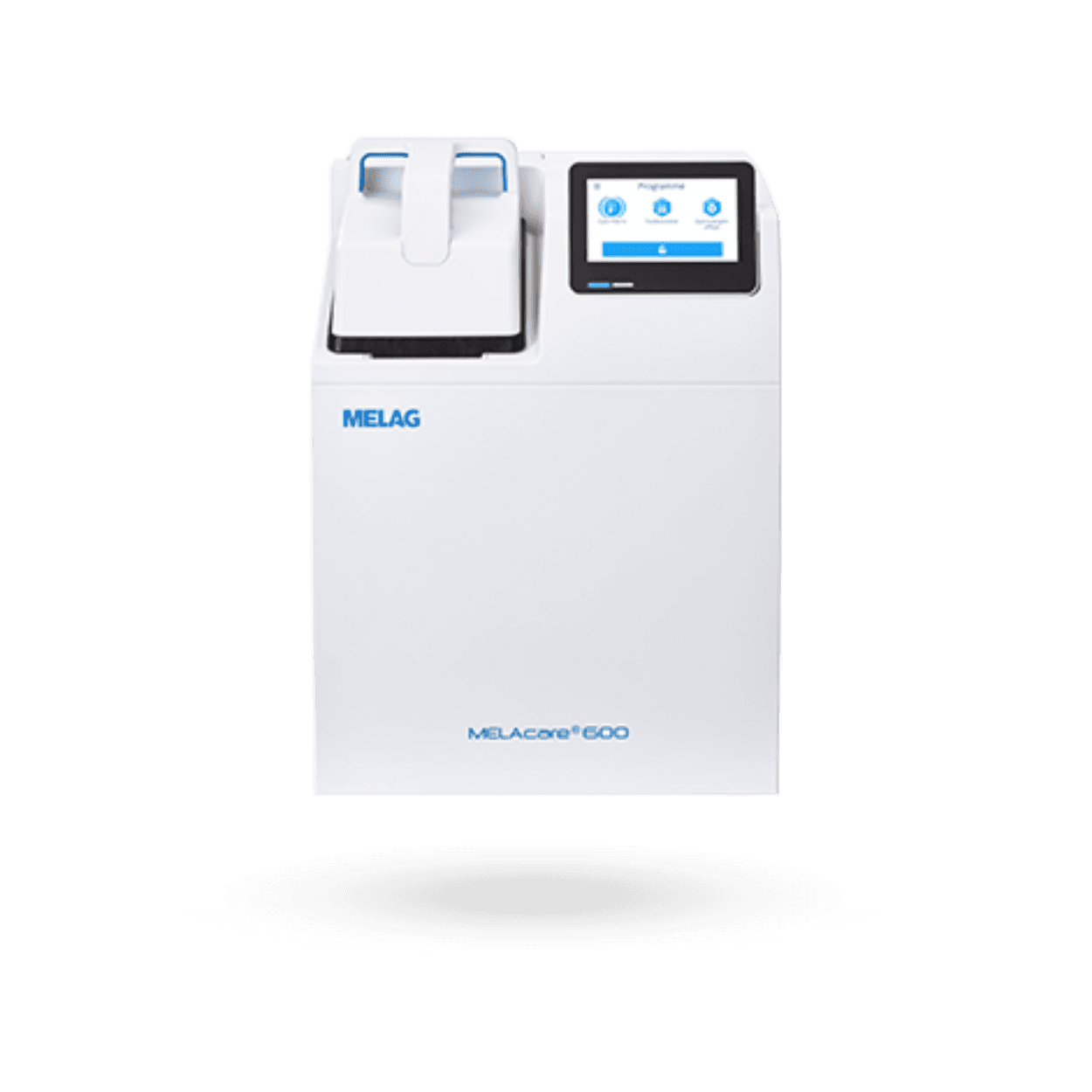
      • MELAcare 1 (2) MELAcare
      • MELAcare-Box-BlueMELAcare Lid Blue
      • MELAcare-Box-GreenMELAcare Lid Green
      • Care Oil ProduktfotoCare Oil
      • melacare Oil Lid adapter 02Accessories & components for MELAcare
    • Careclave_Produkt_offen für Menü
      • Careclave_Produkt_offen für MenüCareclave
      • Menu Foto Carebox BlueCarebox Blue
      • Carebox Green Menu BildCarebox Green
      • Cooling Box ProduktfotoCooling Box
      • Care Oil ProduktfotoCare Oil
      • Zubehör Careclave ProduktfotoAccessories & components for Careclave
    • MicrosoftTeams-image (1170)-min
      • MicrosoftTeams-image (1420)-min(1)MELAseal 300
      • MELAseal 200 Menu FotoMELAseal 200
      • MELAseal 100 Bild MenuMELAseal 100+
      • MELAfol Menu BildMELAfol+
      • MELAcontrol Seal Check Routine Prüfung MenuRoutine Testing
      • Siegelnahtfestigkeit MaschineSeal Seam Stability Test
      • Zubehör MELAseal MenuAccessories & components for sealing devices
    • MicrosoftTeams-image (1169)-min
      • Trays neuMELAstore Trays
      • OTS MenüMELAstore Tray Ophthalmology
      • MELAstoreMELAstore Boxes
      • SterilisierbehälterSterilization Containers
      • me01100 1MELAstore transport box
      • MELAfol Menu BildMELAfol+
      •   SterilisationspapierSterilisation paper
      • Zubehör PackagingAccessories & components for sterile goods storage
    • MicrosoftTeams-image (1168)-min
      • MELAtrace-Pro Menu IconMELAtrace
      • MELAverse Produkt KachelMELAverse
      • MELAprint 80MELAprint 80
      • MELAprint 60 ProduktfotoMELAprint 60
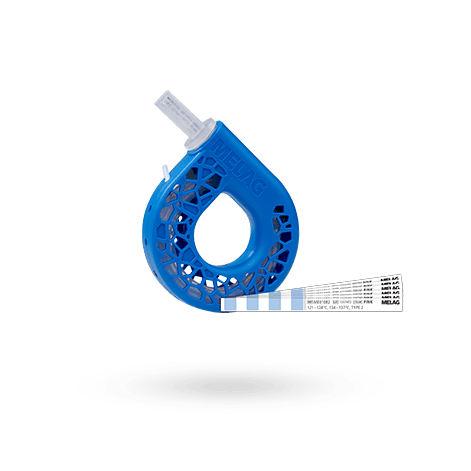
      • MELAdoc Titelbild-blau MELAdoc
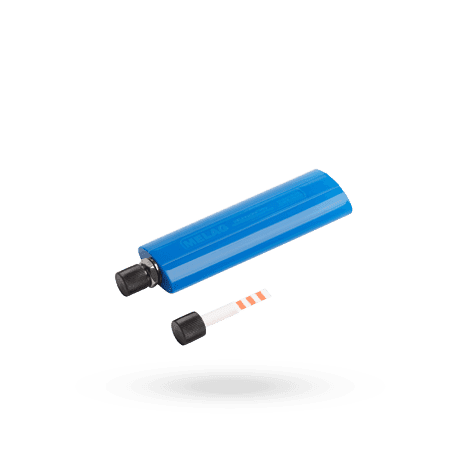
      • MELAcontrol Menu FotoMELAcontrol
      • MELAflash ProduktfotoMELAflash
      • MELAnetBox Menu BildMELAnet Box
      • Zubehör DokuAccessories & components for documentation
    • MELAverse Produkt KachelMELAverse
    • MicrosoftTeams-image (1171)
      • MicrosoftTeams-image (1052)Care Oil Spray
      • MicrosoftTeams-image (1053)Chamber Protect
    • MicrosoftTeams-image (1172)-min
      • MELAdem 40 ProduktfotoMELAdem 40
      • MELAdem 47 ProduktfotoMELAdem 47
      • MELAdem 53 Menu FotoMELAdem 53
      • MELAdem 53 CMELAdem 53 C
      • MELAdem 56 ProduktfotoMELAdem 56
      • MELAjet ProduktfotoMELAjet
      • Zubehör WasserAccessories & components for water treatment
    • MicrosoftTeams-image (1167)-min
      • MELAcontrol Menu FotoMELAcontrol Helix
      • MELAcontrol ProMELAcontrol Pro
      • MELAcontrol Type 5MELAcontrol Type 5
      • MELAcontrol Bowie & Dick TestMELAcontrol Bowie & Dick Test
      • teaser-washcheckMELAcontrol Wash Check
      • MELAcontrol Seal Check Routine Prüfung MenuMELAcontrol Seal Check
      • Siegelnahtfestigkeit MaschineSeal Seam Stability Test
      • Menu ink TestMELAcontrol Ink Test
    • MELAfol ProduktfotoConsumables
    • Downloadcenter Tile ImageDownloadcenter
    • Service-troubleshootingTroubleshooting
    • Video Tutorials Autoclave
      • Balkenteaser-MELAcare 1MELAcare Tutorials
      • Careclave Tutorial MenuCareclave Tutorials
      • Autoklaven Tutorial Autoclaves Tutorials
      • Tutorial Thermodesinfektor MenuWasher-Disinfector Tutorials
      • Siegelgeräte Menu TutorialMELAseal 200 Tutorials
      • MS300 BalkenteaserMELAseal 300 Tutorials
      • MELAtrace TutorialMELAtrace Tutorials
    • Gerätertegistrierung Menu BildDevice Registration
    • Techniker-schulung Menü BildTechnical Training
    • KonfiguratorConfigurator
    • save money Promotions
    • Entdecken-referenzSuccess Stories
    • Hygiene Hub TileInspiration & Tips
    • Tutorials TileNews
    • MELAG FamilieFamily Business & Jobs
    • Beratung-uebersichtBook a consultation: On-site, online or in a showroom
    • entdecken-ansprechpartner
      • Beratung-uebersichtBook a consultation: On-site, online or in a showroom
      • entdecken-ansprechpartnerYour sales contacts
      • Messen & Kongresse Bild MenuFairs & Congresses
      • beratung-kontaktformularContact form
      • Gebauer GFCompany & Apprenticeship
    • Messen & Kongresse Bild MenuFairs & Congresses
    • beratung-kontaktformularContact form
    • Gebauer GFCompany & Apprenticeship
    • Dental
    • Medical
    • Ophthalmo
    • Hospital
    • Veterinary
    • Podiatry
    • University
Select language and country

Newsletter Subscription

Register for our newsletter and always stay up to date.

Products
  • Instrument Reprocessing
  • Autoclaves
  • Large Autoclaves
  • Washer-Disinfectors
  • MELAcare
  • Careclave
  • Sealing Devices
Service
  • Downloads
  • Troubleshooting
  • Video Tutorials
  • Blog
Company
  • We are MELAG
  • Sustainability
  • History
  • News
  • Contact
  • Instrument Reprocessing
  • Autoclaves
  • Large Autoclaves
  • Washer-Disinfectors
  • MELAcare
  • Careclave
  • Sealing Devices
  • Downloads
  • Troubleshooting
  • Video Tutorials
  • Blog
  • We are MELAG
  • Sustainability
  • History
  • News
  • Contact
  • Imprint
  • Terms and Conditions
  • Privacy
  • Whistleblower
  • Open Cookie Settings

© MELAG Medizintechnik GmbH & Co. KG

Placeholder for alt text
Documentation & approval

A documentation process.
For complete traceability.

Error-free reprocessing is a top priority? Our solutions for the documentation, approval and traceability enable you to provide proof of correct reprocessing with ease.

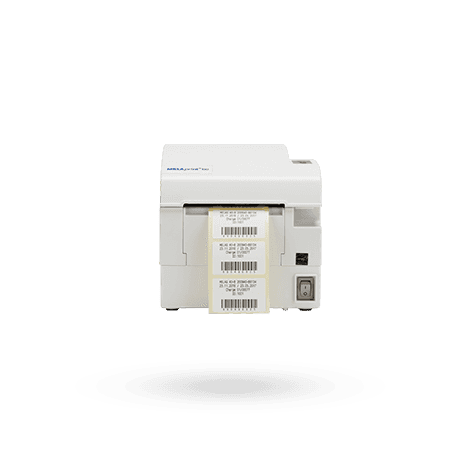
MELAprint 60 Produktfoto

MELAprint 60

The printer generates barcode labels for optimal marking and traceability of the instruments.

Learn More
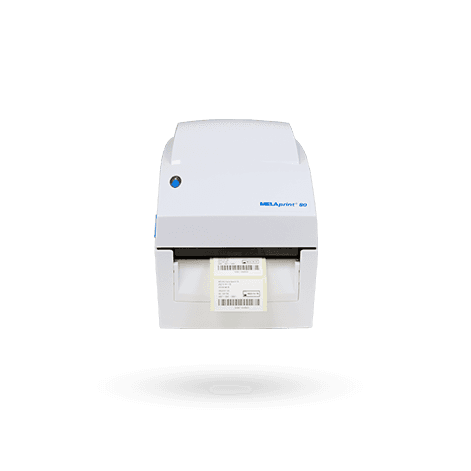
MELAprint 80

MELAprint 80

For smart workflows: Print barcode labels directly with the Prime Line, Careclave, Vacuclave 550 and MELAtrace.

Learn More
MELAverse-digital-pC-2 (1)-min

MELAverse

Whether technical challenges in everyday practice life or preparation for an upcoming practice inspection: Together with MELAtrace, our MELAverse cloud platform creates intelligent, seamlessly integrated hygiene processes that sustainably relieve your practice, clearly structure it and thus unleash completely new efficiency potential.

Learn More
MELAtrace and MELAtrace Pro

MELAtrace

Break the boundaries of traditional documentation: With MELAtrace for professional approval of instrument reprocessing.

Learn More
Request a quote
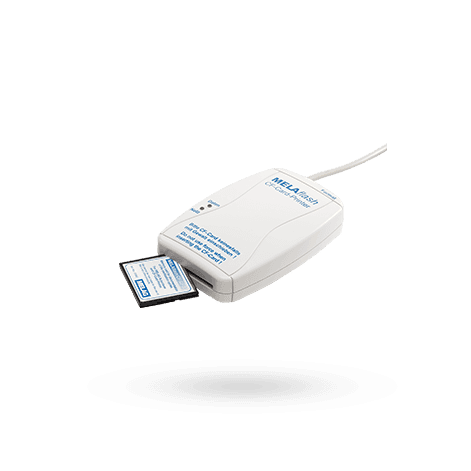
MELAflash Productimage

MELAflash

The MELAflash CF-Card Printer stores the logs on a CF card.

Learn More
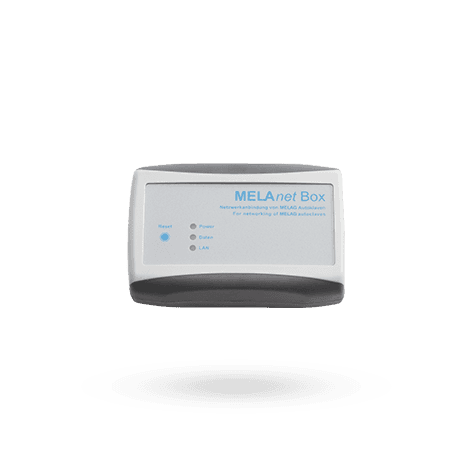
MELAnetBox Productimage

MELAnet Box

MELAnet Box saves the logs on your computer or server.

Learn More
MELAprint 44 Productimage

MELAprint 44

Black on white: The log printer is ideal for printing the process data.

Learn More
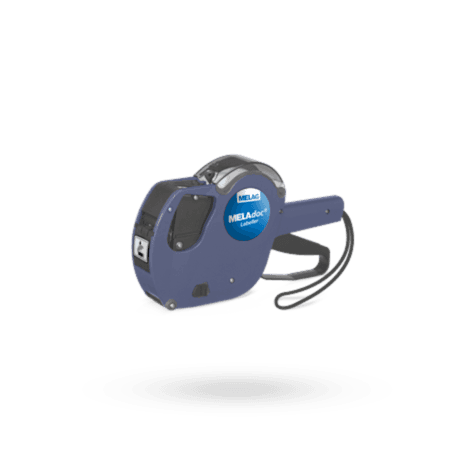
MELAdoc Titelbild-blau

MELAdoc

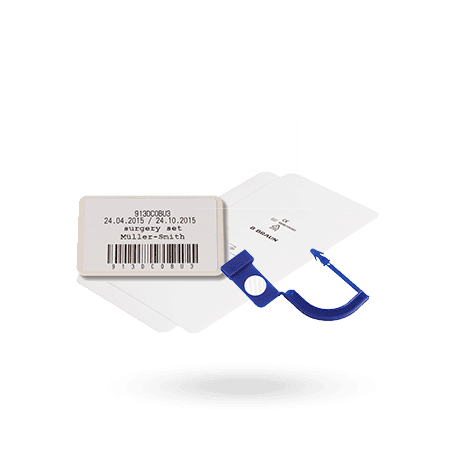
Double-adhesive labels enable manual marking and tracing of instruments.

Learn More
Accessories Documentation

Further accessories

As versatile as you: Find the right accessories for you. And for your documentation and approval process.

Learn More
Unbenannt-1

MELAcontrol Series

Trust is good, control is better: For fast, safe and cost-effective routine testing of the autoclave and sealing device.

Learn More
Stage L Bild MELAtrace Frau

Complete instrument traceability

Be on the safe side in the event of liability: because the reverse burden of proof requires proof of error-free instrument reprocessing. Observe the following instructions for complete traceability.

Carry out batch approval with ta documentation sheet or software solution. Mark the wrapped instruments with a label after sterilization. Transfer the information from the label to the patient records after instrument application. The transferred batch number provides reliable traceability to the instrument decontamination report (log-files).

Enable YouTube content

To play this video, please allow cookies and other external services from YouTube.

MELAtrace auf Laptop
Advantages of digital approval

Documentation has never been easier.

With our software solutions, the requirement for documentation can be fulfilled quickly, securely and paperlessly - and thus providing evidence of your decontamination process.

In comparison with a software solution, manual documentation and approval is performed using a documentation sheet, on which the most important approval decisions are recorded by hand. Approval, e.g. after sterilization, comprises the checking and documentation of the correct process, the checking of the packaging for completeness and dryness and the marking of the sterilization material. Recording further information about the sterilization program and the load configuration achieves complete transparency. The transfer of this information onto the documentation sheet not only takes more time, but involves a greater risk of error.

The software leads its user step-by-step through the entire instrument decontamination process and requires only a few clicks to perform batch approval and instrument labelling after the program end of a washer disinfector or steam sterilizer.


A software decontamination report contains all the most important approval decisions and is saved as a tamper-proof PDF file. Digital documentation does not require a signature. Each user logs in to the software with their individual user name and password. This restricts access to the documentation and approval procedure to authorized and trained staff. User authentication guarantees the highest levels of security.

The use of a software also simplifies the log transfer of washer disinfectors, sealing devices and steam sterilizers. The logs are automatically transferred directly to the practice computer or the network. This not only allows a reduced work load, but simple long-term management of the log files, even with retention periods of up to 30 years. In comparison to manual documentation methods, the logs are saved on an output medium or printed after the program end. When using a memory card, we recommend monthly backup to the practice computer.


Frequently Asked Questions

After downloading the MELAtrace software from our download center free of charge, you have to create a MELAG account in order to log in to MELAtrace for the first time.

After successful registration on the website, open the installed software, log in with your data and activate in the next step your personal time credit for the use of the MELAtrace.
To do this, enter your 24-digit license code that you received when you purchased your license or choose our trial license to test MELAtrace for 3 months free of charge. Afterwards, the software is available to you for the digital documentation and approval of your instrument reprocessing!


All MELAG devices with the appropriate documentation interface can be integrated in MELAtrace in order to represent the complete instrument decontamination process at no extra charge. All modern MELAG steam sterilizers, the MELAtherm 10 washer disinfector and the sealing devices MELAseal 200 as well as MELAseal Pro are fitted with the requisite interfaces  for connection to the computer or network. You can also connect the Dac Professional, Dac Premium and Dac Universal from Sirona in our documentation software. MELAtrace does not read out logs from devices from other manufacturers, as we do not receive the required information from the manufacturers.

MELAtrace provides practices and clinics with a legally-compliant documentation and approval procedure for the complete instrument reprocessing. A manipulated decontamination report would not provide legal certainty. International guidelines state that the original contents of a log may not be obscured; nor may changes be made. MELAtrace generates a tamper-proof PDF file containing all the documents and logs required for approval. This PDF file is fitted with an authentication code which protects its data against manipulation. The person responsible is not required to sign the documentation with MELAtrace; the initial user log-in to MELAtrace (user name and password) obviates the need for all signatures. This restricts access to the approval procedure to trained and authorized persons.


Having incorporated MELAseal 200 or MELAseal Pro in MELAtrace, you require only a few steps to assign the sealing logs and integrate them in the tamper-proof decontamination report. A precondition is activation of the option for incorporating the sealing log in MELAtrace under “further settings”. After you have determined a load for the steam sterilizer in MELAtrace, click on “Next” to open a window in which you can select the sealing log. A preview field displays the contents of the log. Once you have checked the sealing parameters, click on “Finished” to complete the procedure. The sealing log is stored in the decontamination report, providing even greater transparency in the instrument decontamination process.


The legal retention period for the instrument decontamination proof documentation amounts to 30 years. Complete playback of the logs and approval documents must be guaranteed within this time. MELAtrace complies with the requirements for legally-compliant documentation. The generated PDF file is entirely suited for long-term archivation on your practice computer or in the network. The MELAtrace filter function can be used to locate and access the required decontamination report when required. The decontamination report with ID code and proof of authenticity comprises all the required logs and approval decisions involved in the instrument decontamination process.


MELAtrace and MELAtrace Pro

The documentation and approval software.

MELAtrace is an ideal software solution for digital documentation and approval of instrument reprocessing and, as an important part of the MELAG system solution, helps to optimize the workflow in medical and dental practices. Discover the product highlights and further advantages of our software solution:

Intuitive operation & efficiency

Intuitive operation & efficiency

MELAtrace fulfills the requirement for complete documentation and release quickly, securely and paperlessly. Thanks to the clear user interface, the operation of the software is intuitive and links the reprocessing steps of cleaning and disinfection with sterilization. Comprehensive documentation of instrument reprocessing in medical and dental practices is thus ensured and the release process is made possible with just a few clicks.

Legal security

Legal security

Log files and approval decisions are stored in a tamper-proof reprocessing log in MELAtrace. The load management of MELAtrace ensures the highest levels of safety. The software manages the loading pattern of the MELAtherm 10 washer disinfector, the MELAG steam sterilizers and of the DAC Universal quickly and simply. The stored photos of standardized loading patterns help to avoid loading errors. This improves the quality of results in instrument reprocessing.

Complete Traceability

Complete Traceability

All process steps, log files and approvals are archived securely and traceably. With just a few clicks, the documentation and approval, optionally also the printout of barcode labels with MELAprint 60 or 80 can be performed. The barcode labels are used to identify the packaged sterilization items and can either be read with a barcode scanner or stuck directly into the patient file. MELAtrace is compatible with any common practice management software.

Test 3 months. Love forever.

Test 3 months. Love forever.

Pure cost transparency: Free MELAtrace software with 3-month trial license and attractive license model for 12, 36 or 60 months.

Placeholder for alt text

Support & Contact

You have questions? We the answers!

Arrange a consultationContact our sales team To the product finder

Documentation and approval of instrument reprocessing: safety that can be demonstrated

Successful instrument reprocessing does not end when the cleaning and disinfection machine or autoclave completes its cycle. Only once the results have been checked, assessed and documented, and the instruments have been released, may the medical devices be stored, made available or used on patients again.

Documentation is far more than a mere formal obligation. It demonstrates whether all specified steps have been carried out correctly, whether the validated process has been adhered to, and who has taken responsibility for the final approval.

The key principle is:

Instrument reprocessing is only complete once documented authorisation for use has been granted.

Why is documentation so important?

For many reprocessing steps, the result cannot be fully assessed by a final check alone. For example, it is not possible to verify non-destructively before use whether a complex hollow instrument has been sufficiently cleaned internally or whether a packaged instrument has been reliably sterilised.

Quality is therefore ensured primarily through a controlled process. The documentation proves that:

  • the prescribed procedures were followed,

  • the process parameters were within the specified limits,

  • the necessary routine checks were successful,

  • deviations were identified and dealt with appropriately,

  • the medical devices were inspected and released.

The Medical Devices Operator Regulation requires suitable, validated reprocessing procedures for medical devices intended for use in a low-microbial-load or sterile environment, the success of which is verifiably guaranteed. Validation and performance assessment must be carried out on behalf of the operator by suitably qualified professionals.

Documentation thus ensures transparency, traceability and legal certainty. Above all, however, it supports patient safety and helps the practice team to identify errors at an early stage.

What does the documentation of instrument reprocessing involve?

Documentation should not begin only at the stage of sterilisation. It must cover the entire reprocessing process and be tailored to the procedures of the respective facility.

This includes, in particular:

  • Risk assessment and classification of medical devices,

  • Manufacturers’ reprocessing instructions,

  • Standard operating procedures for all process steps,

  • Responsibilities and authorisation to release items,

  • Evidence of qualifications and training,

  • Validation and performance evaluation reports,

  • Maintenance, inspection and repair records,

  • Routine checks and batch records,

  • documented approval decisions,

  • non-conformities and resulting corrective actions.

The joint requirements of KRINKO and BfArM regard reprocessing as a coherent process chain: from proper preparation and transport, through cleaning, disinfection, drying and functional checks, to packaging, sterilisation, labelling, release and storage.

Standard operating procedures form the basis

Reliable documentation requires clear work instructions. These describe how a process is carried out, monitored and released.

A standard operating procedure should specify, amongst other things:

  • which medical devices or product groups it applies to,

  • which equipment, programmes and process chemicals are to be used,

  • how the instruments are to be prepared and loaded,

  • which routine checks are required,

  • what acceptance criteria apply,

  • who is authorised to monitor and approve the process,

  • how the release is documented,

  • how to proceed in the event of deviations.

Work instructions must be accessible, comprehensible and unambiguous for staff. As soon as instruments, packaging, equipment, programmes or other process-related conditions change, a review must be carried out to determine whether the instructions need to be amended.

Documentation of cleaning and disinfection

During automated cleaning and disinfection, the cleaning and disinfection machine usually records key process data. Depending on the machine and the validated procedure, this may include:

  • date and time,

  • equipment number,

  • programme name,

  • batch number,

  • relevant temperatures and exposure times,

  • dosage or availability of process chemicals,

  • Process sequence and error messages,

  • Identification of the person operating or releasing the instruments.

However, the mere completion of a programme is not sufficient for release. After removal, the instruments must be checked for cleanliness, dryness and integrity. For instruments with areas that are difficult to inspect, supplementary testing procedures may be required.

The results must comply with the specifications of the validated procedure. For cleaning and disinfection equipment, DIN EN ISO 15883 sets out, amongst other things, requirements for validation, process monitoring, routine testing, documentation and re-qualification.

What should be done if visible residues are found?

If soiling, discolouration or other residues are detected, the instrument in question must not be released for further reprocessing steps. It must be cleaned again and then thoroughly inspected once more.

Simply wiping the instrument on the clean side is generally not an appropriate corrective measure, as this may deviate from the validated process and contaminate the clean working area.

Inspection, maintenance and functional testing

Following cleaning and disinfection, each medical device must be inspected. This involves checking whether it:

  • visibly clean and dry,

  • is free from corrosion or damage,

  • is complete and correctly assembled,

  • performs its intended function,

  • has been maintained in accordance with the manufacturer’s instructions,

  • can continue to be safely reprocessed and used.

Defective, heavily corroded or instruments that cannot be adequately cleaned must be discarded. Repairs may only be carried out in such a way that safe use and reprocessing remain guaranteed.

Depending on the organisational structure, successful verification may be recorded by means of a batch-specific confirmation, a digital approval or a documented reference to a sorting or packing list.

Documentation of the packaging process

Medical devices intended for sterile use require a suitable sterile barrier system. The packaging must allow the sterilising agent to penetrate and subsequently maintain sterility until the device is used.

In the case of mechanical sealing processes, the following aspects, amongst others, are relevant:

  • selection of suitable packaging,

  • correct filling,

  • sufficient spacing between the instrument and the seal,

  • set sealing temperature,

  • contact pressure and sealing time or throughput speed,

  • visual inspection of the seal,

  • specified routine tests,

  • documented results of the tests.

DIN EN ISO 11607-2 sets out requirements for the development and validation of forming, sealing and assembly processes for sterile barrier systems. It also applies to healthcare facilities where medical devices are packaged and subsequently sterilised.

A defective seal may compromise the sterilisation result and subsequent shelf life. Seals that are irregular, incomplete, creased or damaged must therefore not be released.

Documentation of sterilisation

For each sterilisation batch, it must be possible to trace the conditions under which it was carried out.

Depending on the equipment and the organisation’s documentation policy, complete batch documentation must include, in particular:

  • Date and time,

  • Identification of the steriliser,

  • sequential batch number,

  • sterilisation programme used,

  • allocation or description of the load,

  • key process parameters,

  • Results of the steriliser’s internal process monitoring,

  • results of any required routine or batch checks,

  • any faults or deviations that occurred,

  • Release decision,

  • Identification of the person authorising release.

The requirements for the development, validation and routine monitoring of moist heat sterilisation processes are described in DIN EN ISO 17665.

The message ‘Programme completed successfully’ is an important part of the evaluation. However, on its own, it does not constitute full release of the batch or the individual packages.

What does release mean?

Release is a deliberate and traceable decision. A qualified and expressly authorised person confirms that the reprocessing process has been carried out in accordance with the specified requirements and that the medical devices are suitable for storage or use.

The person granting release thus assumes a position of responsibility. They must be able to assess whether:

  • all necessary process steps have been completed,

  • the documented values fall within the acceptance limits,

  • the prescribed checks have been successfully carried out,

  • the load corresponds to the validated process,

  • the medical devices are clean, dry and in working order,

  • packaging and labelling are in order,

  • there are no unresolved non-conformities.

The persons authorised to grant release must be named in writing. The work instruction must specify both the format of the release documentation and the procedure to be followed in the event of non-conformities.

Three levels of release

In practice, release can be divided into three successive levels.

1. Operational readiness of the process

Before routine operation begins, a check is carried out to ensure that the equipment and processes can be used correctly. Depending on the manufacturer’s specifications and the validation report, this may include:

  • Visual inspection of the chamber, door and seals,

  • Inspection of equipment,

  • testing of water quality,

  • necessary functional tests,

  • vacuum or steam penetration tests,

  • Inspection of the sealing unit,

  • Checking that the RDG is operational.

It is not possible to specify in general terms which tests are required and at what intervals. The manufacturer’s specifications, the validation report, the risk assessment and the facility’s standard operating procedures are decisive.

2. Batch release

Following each automated process, the entire cycle is evaluated. This involves reviewing the process log, control displays, any error messages and, where applicable, the results from the testing systems used.

The batch may only be released if the process has been completed in full and correctly and all acceptance criteria have been met.

3. Release of individual medical devices

Even after a batch has been successfully released, it may be the case that individual instruments or packages are unsuitable for use.

Each sterile package must therefore be checked for at least the following points:

  • dryness,

  • integrity,

  • intact seal seams,

  • legible and complete labelling,

  • correct result of the processing indicator,

  • no visible contamination,

  • no damage to the medical device contained within.

Damaged or damp packaging must not be released, even if all the steriliser’s process parameters have been adhered to.

Labelling and traceability

Labelling must enable the sterile goods to be unambiguously linked to the reprocessing process. The specific labelling scheme is determined by the facility’s procedures, risk assessment and quality management system.

Typical details include:

  • Name or contents of the packaging,

  • batch number,

  • reprocessing or sterilisation date,

  • specified storage period or expiry date,

  • Identification of the device used,

  • Identification of the person authorising release.

The labelling must not damage the sterile barrier system. In the case of transparent sterilisation packaging, markings or labels should be applied in such a way that neither the film is perforated nor the medical device itself is compromised.

Barcodes and machine-readable labels may also establish a link between the batch, the instrument, the treatment and the patient records, provided this is provided for in the organisation’s traceability concept.

When should a batch not be released?

Release must be refused if compliance with the specified procedure cannot be reliably assessed. This applies, for example, in the case of:

  • interrupted or malfunctioning programmes,

  • missing or incomplete process logs,

  • failed routine checks,

  • invalid process parameters,

  • an unsuitable programme,

  • a non-validated load,

  • abnormal test indicators,

  • damp packaging,

  • damaged seal seams,

  • incomplete labelling,

  • visible residues on instruments.

Affected medical devices must be clearly isolated and separated from approved products. The cause, necessary corrective actions and the next steps must then be documented.

Reprocessing may only take place once it has been established that the medical device is suitable for this purpose and the cause of the fault has been rectified.

Paper or digital?

Both paper-based and electronic documentation systems may be suitable. It is not the medium that is decisive, but the quality of the records.

Reliable digital documentation should ensure that:

  • users are clearly identified,

  • Approvals are attributed to a specific person,

  • the date and time are recorded correctly,

  • changes remain traceable,

  • original data is not overwritten without being noticed,

  • regular data backups are carried out,

  • records remain legible throughout the retention period,

  • and data can be exported and presented when required.

The KRINKO-BfArM recommendation permits storage on image or data carriers. At the same time, it must remain clear when subsequent changes have been made. The documents must be available and legible throughout the retention period.

A scanned signature or a shared user account for the whole team does not provide reliable personal attribution. Individual user accounts, personal PIN codes or qualified electronic approval procedures are preferable.

How long must the records be retained?

According to the KRINKO-BfArM recommendation, records relating to the reprocessing of medical devices must be retained for at least five years. Other legal provisions, contractual requirements or regulations concerning patient documentation may necessitate longer retention periods.

The organisation should therefore set out its retention periods in writing and apply them consistently to both paper and digital records.

Common errors in practice

In many facilities, the technology is up to the task, whilst weaknesses arise in organisation and documentation.

Typical errors include:

  • Approvals without personal attribution,

  • missing or out-of-date work instructions,

  • authorised persons not specified in writing,

  • incomplete loading details,

  • failure to review process logs,

  • shared user accounts,

  • documents that can be amended retrospectively without a change history,

  • Approval despite damp packaging,

  • undocumented deviations,

  • lack of data backups,

  • new instruments or packaging without process validation.

Good documentation must work in day-to-day practice. Overly complicated forms often result in information being entered incompletely or retrospectively. Digital systems should therefore guide staff through the approval process, rather than merely storing process data.

Checklist for safe release

Before releasing a processed batch, at least the following questions should be answered:

  1. Was the intended and validated programme used?

  2. Did the process run to completion without any relevant disruptions?

  3. Do the process parameters comply with the specified limit values?

  4. Were all the required routine checks successful?

  5. Does the loading comply with the validated loading pattern?

  6. Are the instruments clean, dry, undamaged and in working order?

  7. Are the packaging and seal seams dry and intact?

  8. Is the labelling complete and unambiguous?

  9. Have any deviations been ruled out or dealt with appropriately?

  10. Has approval been clearly assigned to an authorised person?

If any of these questions cannot be answered in the affirmative beyond doubt, approval should not be granted.

Conclusion: Authorisation is a professional decision

Documentation and authorisation are not administrative tasks that take place only after the actual instrument reprocessing. They are indispensable components of the process.

The technical process record shows what the device has measured. The visual and functional inspection shows the condition of the instruments and packaging. Only the professional assessment of all the information leads to documented release.

A safely reprocessed medical device is therefore not merely cleaned, disinfected or sterilised. It has been inspected, clearly labelled, documented in a traceable manner and released by an authorised person.