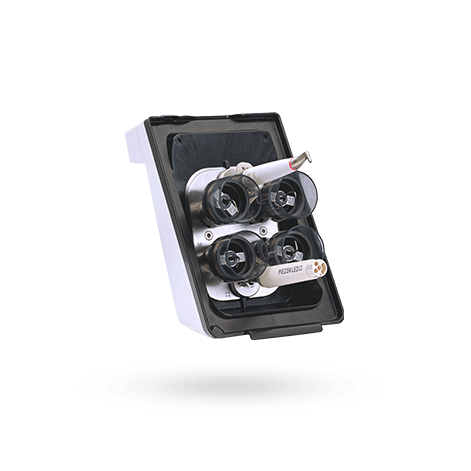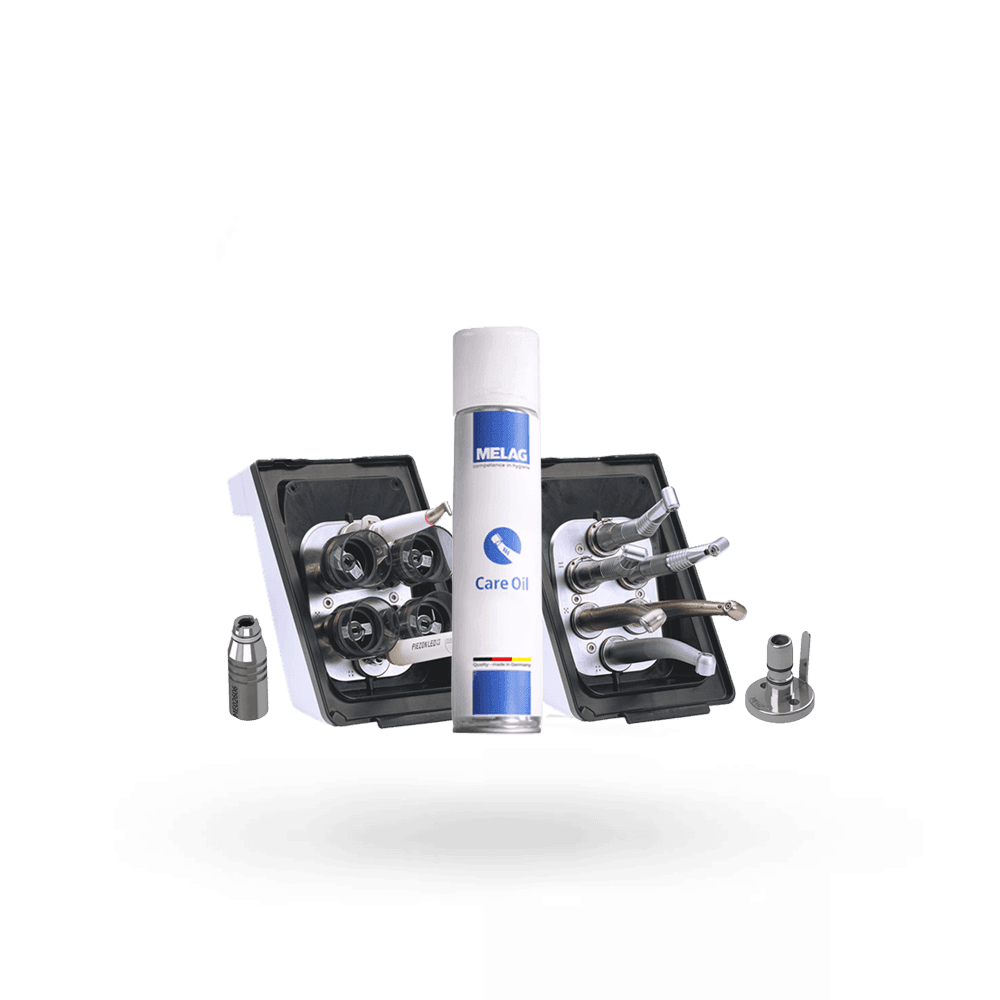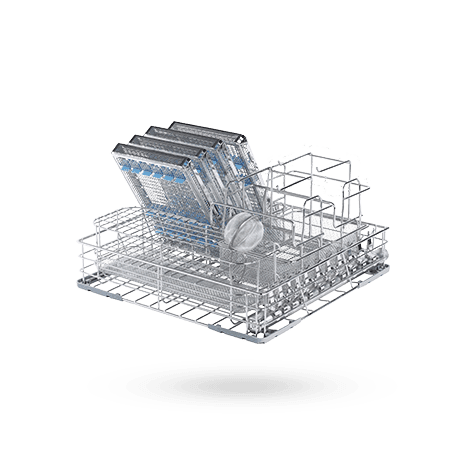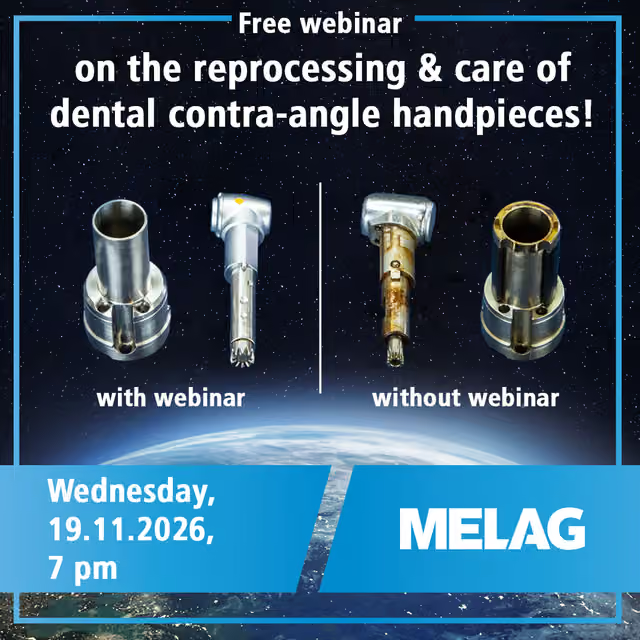
Wellness for your instruments: Discover MELAcare now>

|
    • Unbenannt-1Best Sellers
    • Autoclave Tile
      • premium-klassePremium Class
      • Prime LinePrime Line (Class B)
      • Pro Line Product picturePro Line (Class B)
      • MicrosoftTeams-image (1196)-minPro Line (Class S)
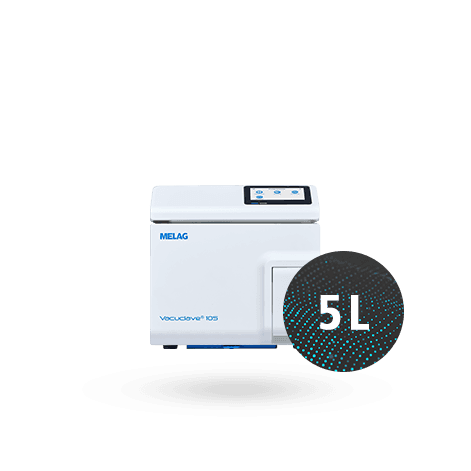
      • 150 2Vacuclave 105 / 305
      • Vacuclave 550 Menu ElementVacuclave 550
      • Grossautoklaven-SystemloesungCliniclave 45 Series
      • 24-BL-StoererVacuklav 24 BL+
      • MELAtronic ProduktfotoMELAtronic Series
      • Zubehör Careclave ProduktfotoAccessories & components for autoclaves
    • Grossautoklaven-Systemloesung
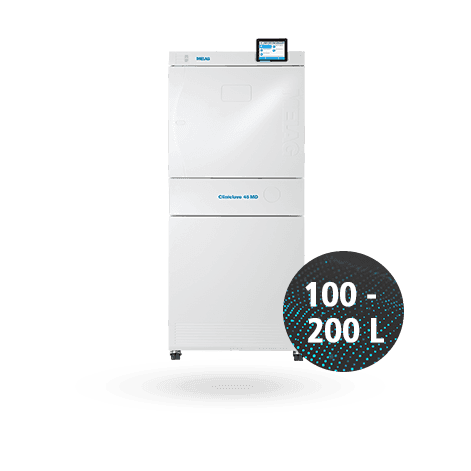
      • Cliniclave 45 Produktfoto für Kaegorie MenuCliniclave 45
      • Cliniclave 45 M ProduktfotoCliniclave 45 M
      • Cliniclave 45 D ProduktfotoCliniclave 45 D
      • Cliniclave 45 MD ProduktfotoCliniclave 45 MD
      • Vacuclave 550 Menu ElementVacuclave 550
      • Großautoklaven Zubehör ProduktfotoAccessories & components for large autoclaves
    • 150 2
      • 150-ohne 1Vacuclave 105
      • 350-ohne 1Vacuclave 305
      • MELAquick ProduktfotoMELAquick Series
      • MELAtronic ProduktfotoMELAtronic Series
    • mt20-gross
      • mt20-grossMELAtherm 20
      • MT10EVO_Produkt_geschlossenMELAtherm 10 Evolution
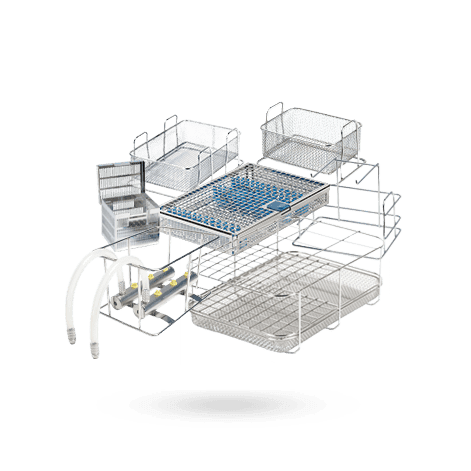
      • Körbe und Adapter ProduktfotoLoading patterns
      • Collage-Korb 3-minBaskets & Adapters
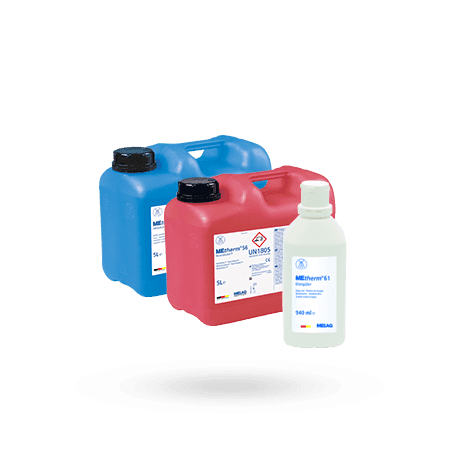
      • MEtherm Process Agents ProduktfotoMEtherm Process Agents
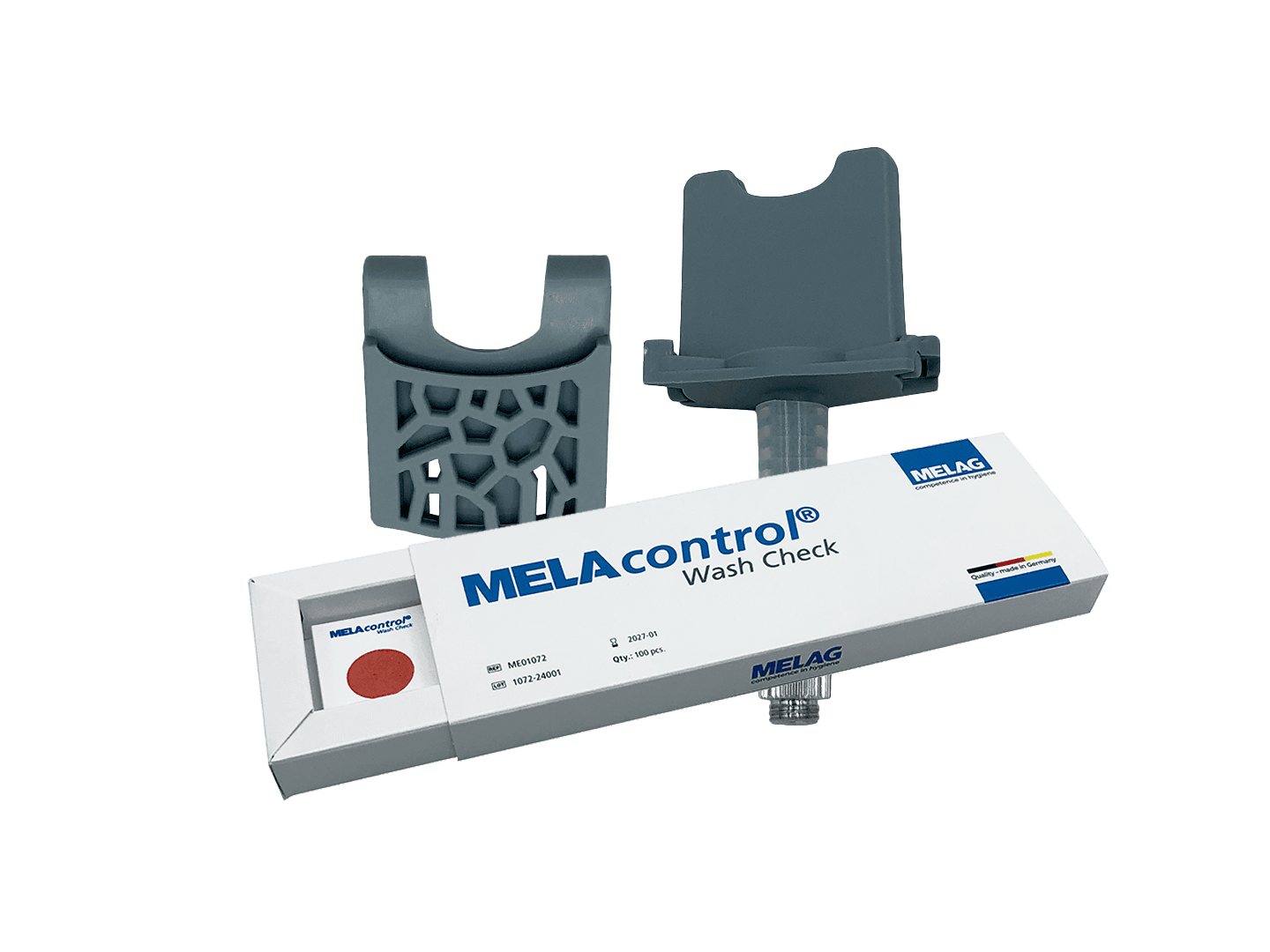
      • teaser-washcheckMELAcontrol Wash Check
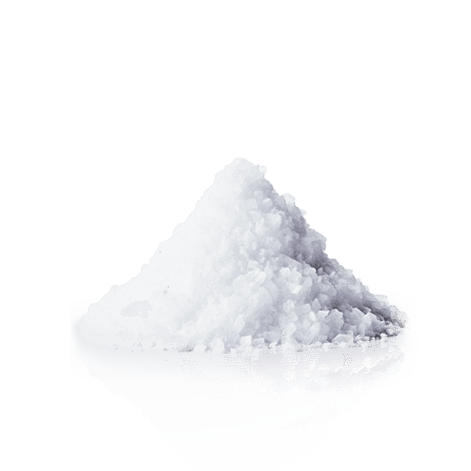
      • Regenerating SaltRegenerating Salt
      • MELAtherm Zubehör MenuAccessories & components for thermal disinfectors
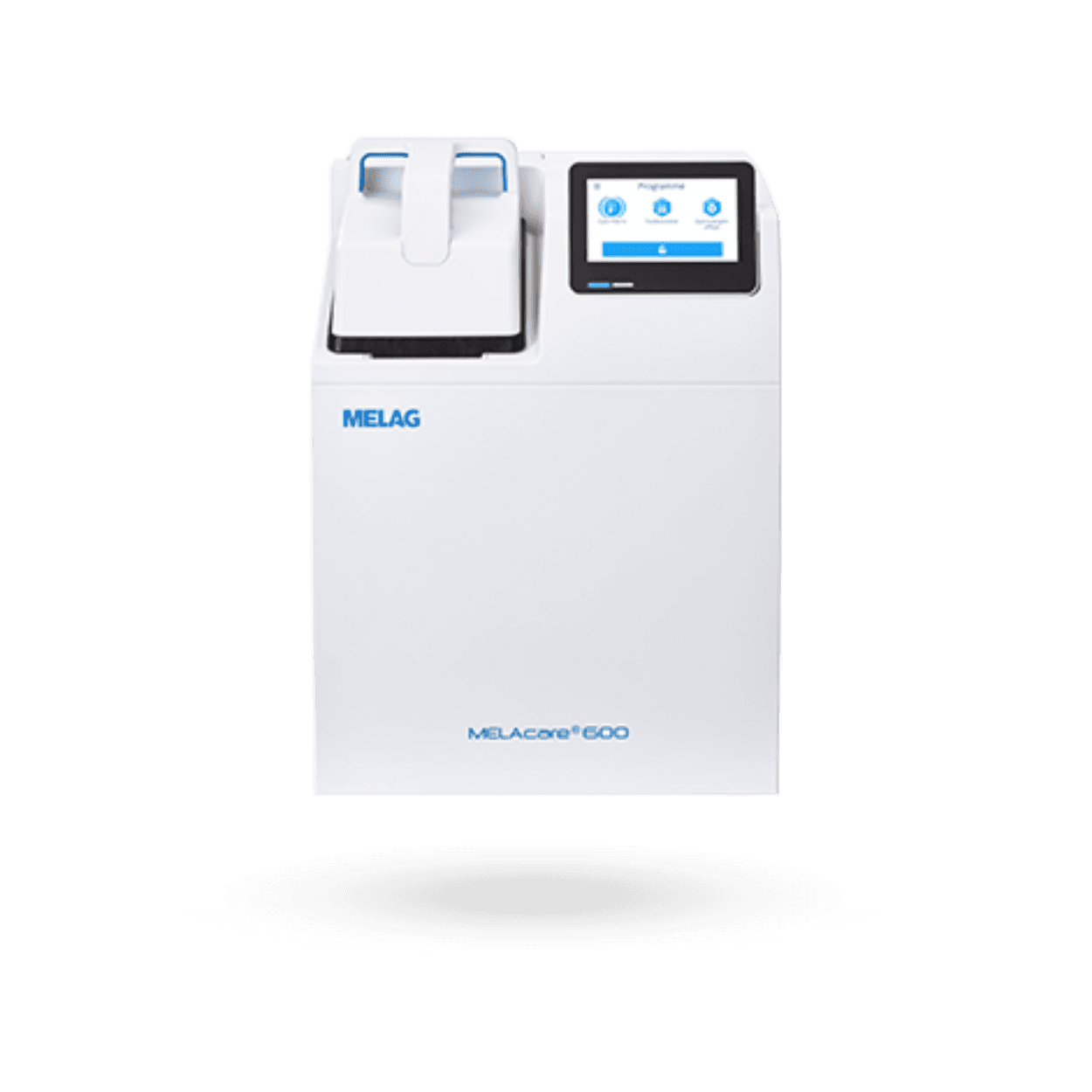
    • MELAcare 1
      • MELAcare 1 (2) MELAcare
      • MELAcare-Box-BlueMELAcare Lid Blue
      • MELAcare-Box-GreenMELAcare Lid Green
      • Care Oil ProduktfotoCare Oil
      • melacare Oil Lid adapter 02Accessories & components for MELAcare
    • Careclave_Produkt_offen für Menü
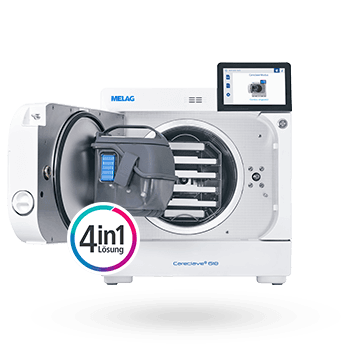
      • Careclave_Produkt_offen für MenüCareclave
      • Menu Foto Carebox BlueCarebox Blue
      • Carebox Green Menu BildCarebox Green
      • Cooling Box ProduktfotoCooling Box
      • Care Oil ProduktfotoCare Oil
      • Zubehör Careclave ProduktfotoAccessories & components for Careclave
    • MicrosoftTeams-image (1170)-min
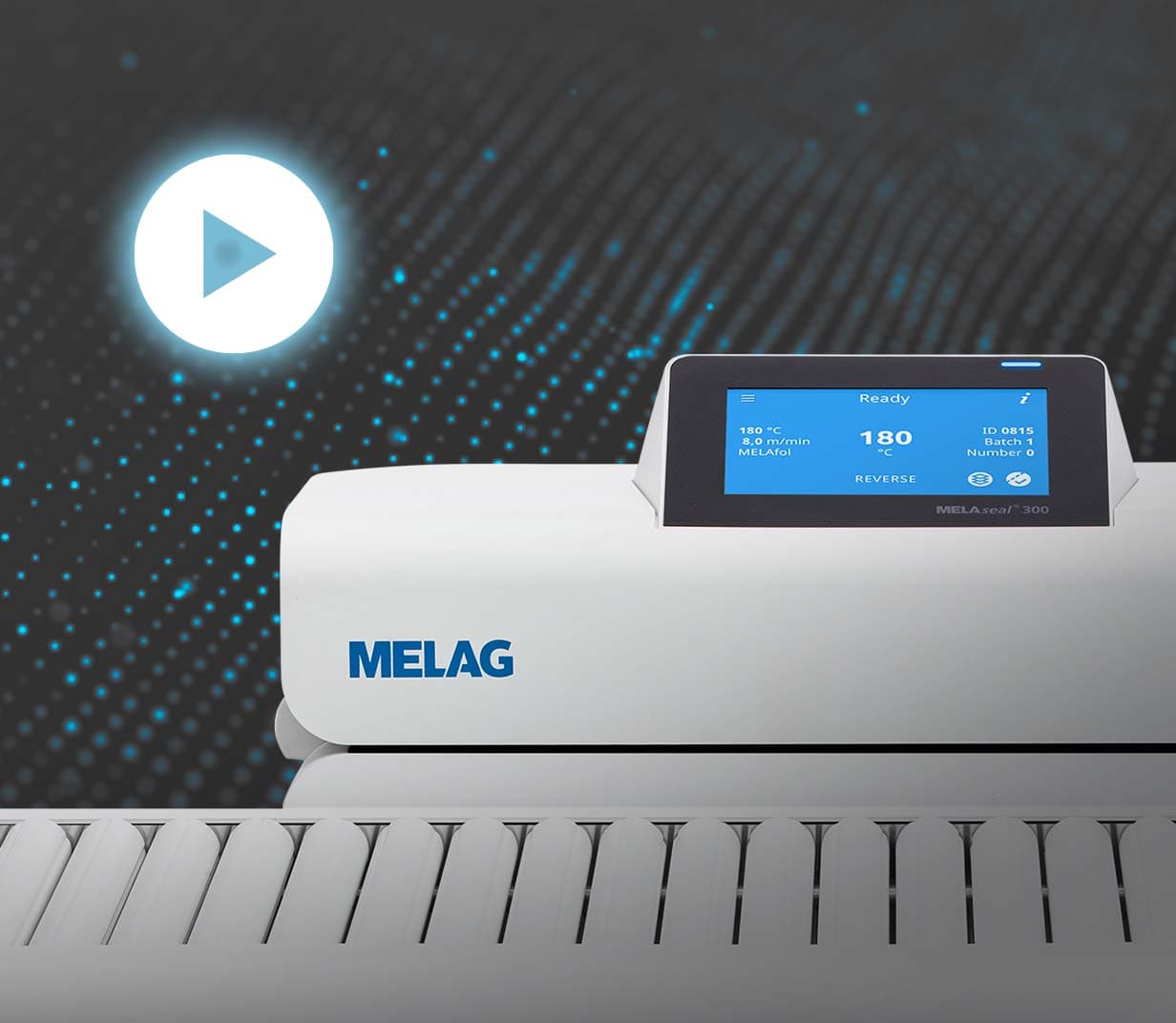
      • MicrosoftTeams-image (1420)-min(1)MELAseal 300
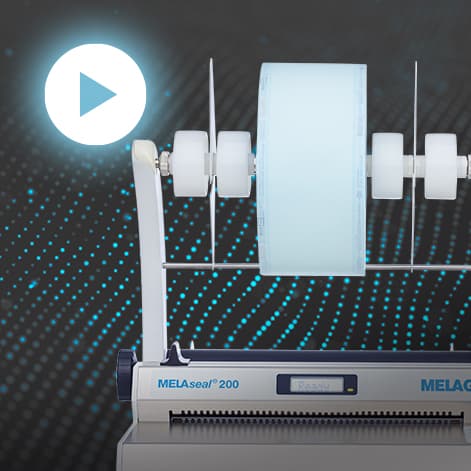
      • MELAseal 200 Menu FotoMELAseal 200
      • MELAseal 100 Bild MenuMELAseal 100+
      • MELAfol Menu BildMELAfol+
      • MELAcontrol Seal Check Routine Prüfung MenuRoutine Testing
      • Siegelnahtfestigkeit MaschineSeal Seam Stability Test
      • Zubehör MELAseal MenuAccessories & components for sealing devices
    • MicrosoftTeams-image (1169)-min
      • Trays neuMELAstore Trays
      • OTS MenüMELAstore Tray Ophthalmology
      • MELAstoreMELAstore Boxes
      • SterilisierbehälterSterilization Containers
      • me01100 1MELAstore transport box
      • MELAfol Menu BildMELAfol+
      •   SterilisationspapierSterilisation paper
      • Zubehör PackagingAccessories & components for sterile goods storage
    • MicrosoftTeams-image (1168)-min
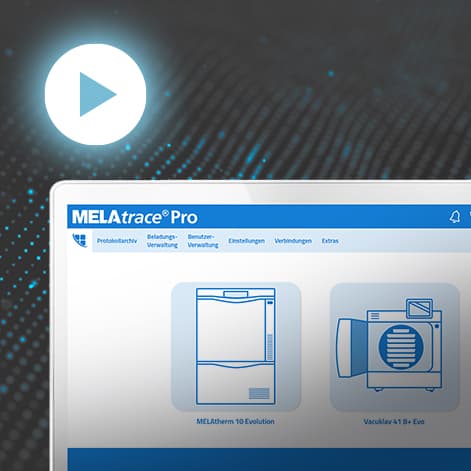
      • MELAtrace-Pro Menu IconMELAtrace
      • MELAverse Produkt KachelMELAverse
      • MELAprint 80MELAprint 80
      • MELAprint 60 ProduktfotoMELAprint 60
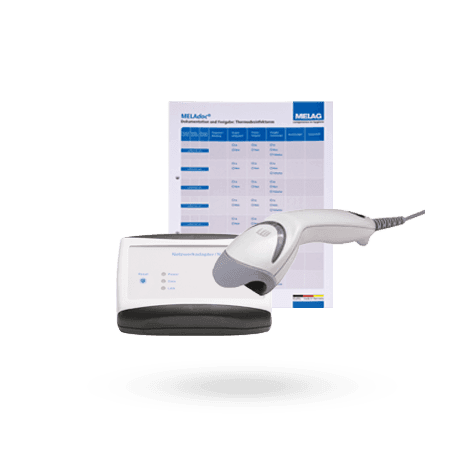
      • MELAdoc Titelbild-blau MELAdoc
      • MELAcontrol Menu FotoMELAcontrol
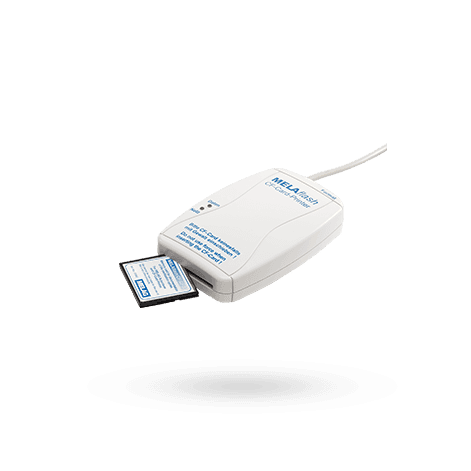
      • MELAflash ProduktfotoMELAflash
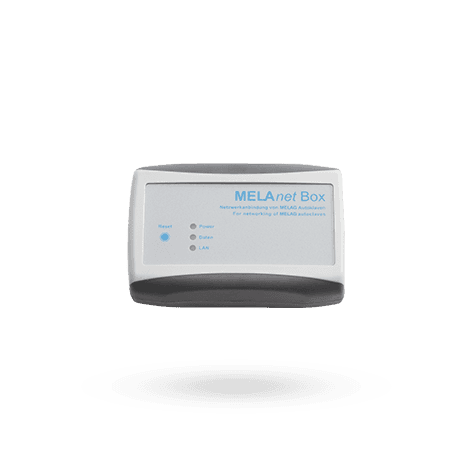
      • MELAnetBox Menu BildMELAnet Box
      • Zubehör DokuAccessories & components for documentation
    • MELAverse Produkt KachelMELAverse
    • MicrosoftTeams-image (1171)
      • MicrosoftTeams-image (1052)Care Oil Spray
      • MicrosoftTeams-image (1053)Chamber Protect
    • MicrosoftTeams-image (1172)-min
      • MELAdem 40 ProduktfotoMELAdem 40
      • MELAdem 47 ProduktfotoMELAdem 47
      • MELAdem 53 Menu FotoMELAdem 53
      • MELAdem 53 CMELAdem 53 C
      • MELAdem 56 ProduktfotoMELAdem 56
      • MELAjet ProduktfotoMELAjet
      • Zubehör WasserAccessories & components for water treatment
    • MicrosoftTeams-image (1167)-min
      • MELAcontrol Menu FotoMELAcontrol Helix
      • MELAcontrol ProMELAcontrol Pro
      • MELAcontrol Type 5MELAcontrol Type 5
      • MELAcontrol Bowie & Dick TestMELAcontrol Bowie & Dick Test
      • teaser-washcheckMELAcontrol Wash Check
      • MELAcontrol Seal Check Routine Prüfung MenuMELAcontrol Seal Check
      • Siegelnahtfestigkeit MaschineSeal Seam Stability Test
      • Menu ink TestMELAcontrol Ink Test
    • MELAfol ProduktfotoConsumables
    • Downloadcenter Tile ImageDownloadcenter
    • Service-troubleshootingTroubleshooting
    • Video Tutorials Autoclave
      • Careclave Tutorial MenuCareclave Tutorials
      • Autoklaven Tutorial Autoclaves Tutorials
      • Tutorial Thermodesinfektor MenuWasher-Disinfector Tutorials
      • Siegelgeräte Menu TutorialMELAseal 200 Tutorials
      • MS300 BalkenteaserMELAseal 300 Tutorials
      • MELAtrace TutorialMELAtrace Tutorials
    • Gerätertegistrierung Menu BildDevice Registration
    • Techniker-schulung Menü BildTechnical Training
    • KonfiguratorConfigurator
    • save money Promotions
    • Entdecken-referenzSuccess Stories
    • Hygiene Hub TileInspiration & Tips
    • Tutorials TileNews
    • MELAG FamilieFamily Business & Jobs
    • Beratung-uebersicht
      • Beratung-uebersichtBook a consultation: On-site, online or in a showroom
      • entdecken-ansprechpartnerYour sales contacts
      • Messen & Kongresse Bild MenuFairs & Congresses
      • beratung-kontaktformularContact form
      • Gebauer GFCompany & Apprenticeship
    • entdecken-ansprechpartner
      • Beratung-uebersichtBook a consultation: On-site, online or in a showroom
      • entdecken-ansprechpartnerYour sales contacts
      • Messen & Kongresse Bild MenuFairs & Congresses
      • beratung-kontaktformularContact form
      • Gebauer GFCompany & Apprenticeship
    • Messen & Kongresse Bild MenuFairs & Congresses
    • beratung-kontaktformularContact form
    • Gebauer GFCompany & Apprenticeship
    • Dental
    • Medical
    • Ophthalmo
    • Hospital
    • Veterinary
    • Podiatry
Select language and country

Newsletter Subscription

Register for our newsletter and always stay up to date.

Products
  • Instrument Reprocessing
  • Autoclaves
  • Large Autoclaves
  • Washer-Disinfectors
  • MELAcare
  • Careclave
  • Sealing Devices
Service
  • Downloads
  • Troubleshooting
  • Video Tutorials
  • Blog
Company
  • We are MELAG
  • Sustainability
  • History
  • News
  • Contact
  • Instrument Reprocessing
  • Autoclaves
  • Large Autoclaves
  • Washer-Disinfectors
  • MELAcare
  • Careclave
  • Sealing Devices
  • Downloads
  • Troubleshooting
  • Video Tutorials
  • Blog
  • We are MELAG
  • Sustainability
  • History
  • News
  • Contact
  • Imprint
  • Terms and Conditions
  • Privacy
  • Whistleblower
  • Open Cookie Settings

© MELAG Medizintechnik GmbH & Co. KG

Placeholder for alt text
product information

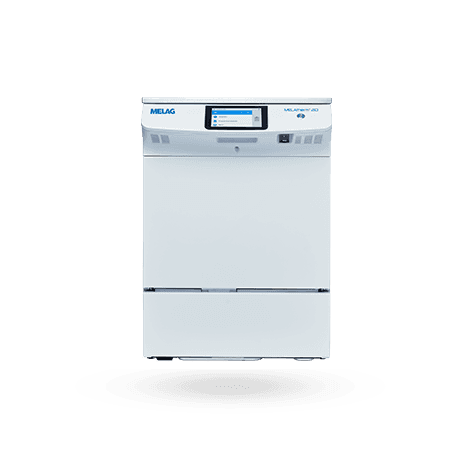
MELAtherm 20

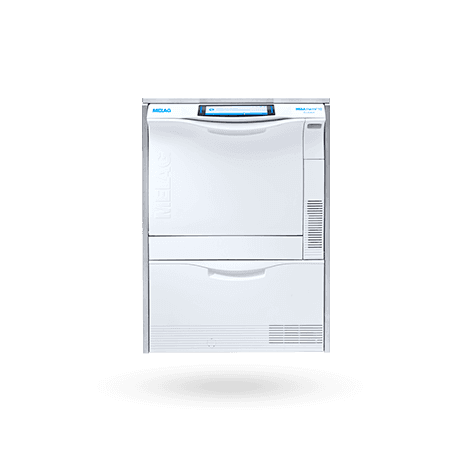
MELAtherm 20 is a washer-disinfector (washer-disinfector) from the German medical technology manufacturer MELAG. The device is used for the automated cleaning and disinfection of medical instruments and is used for instrument reprocessing in the reprocessing room in surgeries and clinics.

Product data

  • Name: MELAtherm 20

  • Category: Thermal disinfector / washer-disinfector

  • Manufacturer: MELAG Medizintechnik GmbH & Co KG

  • Product page: https://www.melag.com/produkte/thermodesinfektoren/melatherm-20

Product description

The MELAtherm 20 is a washer-disinfector for the automated cleaning and disinfection of medical instruments. It has an extra-large washing chamber with a chamber volume of around 160 litres and offers space for up to 24 flex segments.

The MELAtherm 20 utilises AquaBoost technology and a 3-arm rinsing system for the automated cleaning of instruments.

Two variants are available for drying:

  • activeDRY: active internal and external drying with HEPA-filtered air

  • passiveDRY: automatic door opening to support drying at the end of the process

The appliance has a touch display for operating the appliance. Process and batch data is documented via network or USB. The ProControl function supports batch release and user authentication in accordance with the applicable legal requirements.

A self-cleaning Cleanfinity Pro central filter is available as an option.

The MELAtherm 20 is used in medical and dental practices and clinics. The loading volume enables the reprocessing of larger quantities of instruments per cleaning and disinfection cycle.

Technical features

  • Wash chamber volume: approx. 160 litres

  • Capacity: reprocessing of up to 90 instruments per cycle

  • Flex segments: up to 24, distributed over the lower basket and height-adjustable upper basket

  • Drying systems: activeDRY or passiveDRY

  • Operation: Smart touch display (touch display)

  • Documentation: via network or USB; support for batch release and user authentication via ProControl

What is MELAtherm / How does thermal disinfection work?

A washer-disinfector, also known as a washer-disinfector, is an automated device for the automated reprocessing of medical devices. It is used to clean, rinse, thermally disinfect and then dry medical instruments in a closed and controlled process. Standardised reprocessing is carried out using reproducible and validatable programmes. The washer-disinfector replaces manual work steps such as brushing or manual disinfection with a documentable automated process. Depending on the instrument material, degree of soiling and water quality, alkaline or neutral detergents are used. Microorganisms are reduced through thermal disinfection. Thermal disinfectors create the conditions for subsequent sterilisation, for example in an autoclave.

The reprocessing process is typically divided into several steps:

In the pre-rinsing step, coarse soiling such as blood and other biological materials are removed from the instruments. The pre-rinse is carried out with cold water.

In the main cleaning step, suitable cleaning agents are added to remove organic and inorganic residues from the instruments.

After cleaning, the instruments are rinsed with clear water to completely remove cleaning agent residues.

This is followed by disinfection at high temperatures, often between 90°C and 93°. By using high temperatures, semi-critical instruments are not only clean, but also hygienically safe for the next use.

The instruments are then dried to avoid residual moisture.

How often should thermal disinfection be carried out?

Thermal disinfection is carried out as part of instrument reprocessing after use and before medical instruments are used again. The legal obligation results from the Medical Devices Operator Ordinance (MPBetreibV) in conjunction with the recommendations of the RKI and BfArM. The legal focus is particularly on the reprocessing of medical devices in the "critical B" category.

How often should a thermal disinfector be serviced?

A washer-disinfector (washer-disinfector) must be serviced regularly. Maintenance includes daily routine checks to maintain process reliability. Protein and blood residue tests should ensure that organic residues have been completely removed.

These measures serve to ensure consistent process conditions:

  • Cleaning or replacement of sieve (coarse and fine sieve) and filter units

  • Checking seals, for example on the door, spray arms or pumps

  • Checking rinsing pressure, rinsing arm rotation and process parameters

  • Checking chemical hoses and dosing lines

  • Calibration of conductivity sensors and other measuring and temperature sensors

In addition, annual maintenance by the manufacturer or an authorised service partner is mandatory. This involves checking mechanical, electrical and hydraulic systems, replacing wearing parts and testing dosing units.

All maintenance and checks must be fully documented, as they form part of the quality and validation certificates.

Is a washer-disinfector mandatory?

Automated reprocessing in a washer-disinfector is the de facto standard for critical and semi-critical medical devices. The recommendations of the Commission for Hospital Hygiene and Infection Prevention (KRINKO) at the Robert Koch Institute (RKI) and the Federal Institute for Drugs and Medical Devices (BfArM) prioritise automated thermal cleaning and disinfection in the washer-disinfector over manual procedures, as only automated processes are reproducible, verifiable and validatable. A particular focus is placed on the reprocessing of medical devices in the "critical B" category. In the case of complex instruments, hollow bodies or an increased risk of infection, the use of a washer-disinfector is necessary in order to fulfil requirements from standards such as EN ISO 15883. Many authorities, hygiene specialists and quality management systems consider the use of a washer-disinfector to be de facto mandatory in these cases. Automated reprocessing is also often a prerequisite for inspections, audits and certifications. In addition, the use of a washer-disinfector contributes to the fulfilment of occupational health and safety requirements. The Technical Rule for Biological Agents (TRBA 250) recommends the cleaning and disinfection of instruments in closed automated systems in order to minimise the risk of injury and contamination.

Is validation mandatory?

The reprocessing of medical devices with a washer-disinfector (WD) must be carried out using validated procedures. Validation ensures that the washer-disinfector works reliably, effectively and reproducibly under defined parameters and includes the following steps during commissioning:

  • Installation Qualification (IQ): Checking the correct installation and technical requirements such as water quality, connections and dosing systems

  • Operational Qualification (OQ): Confirmation that the washer-disinfector is working within the defined parameters, e.g. with regard to temperature control, A0 values, chemical dosing and spray arm function

  • Performance Qualification (PQ): Checking the cleaning and disinfection performance under real loading conditions

Validation must be repeated regularly by means of requalification, typically annually or after technical changes, repairs and adjustments to chemicals or load patterns. In addition to validation, routine checks are required to maintain process reliability in the long term.