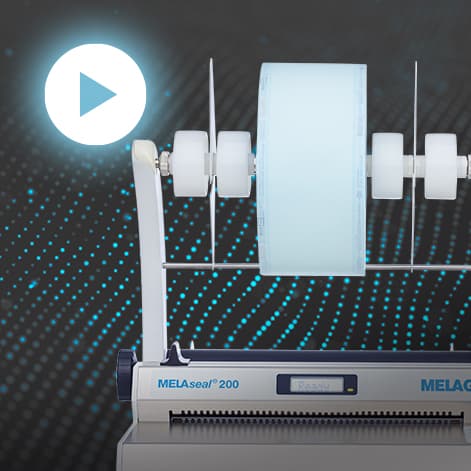
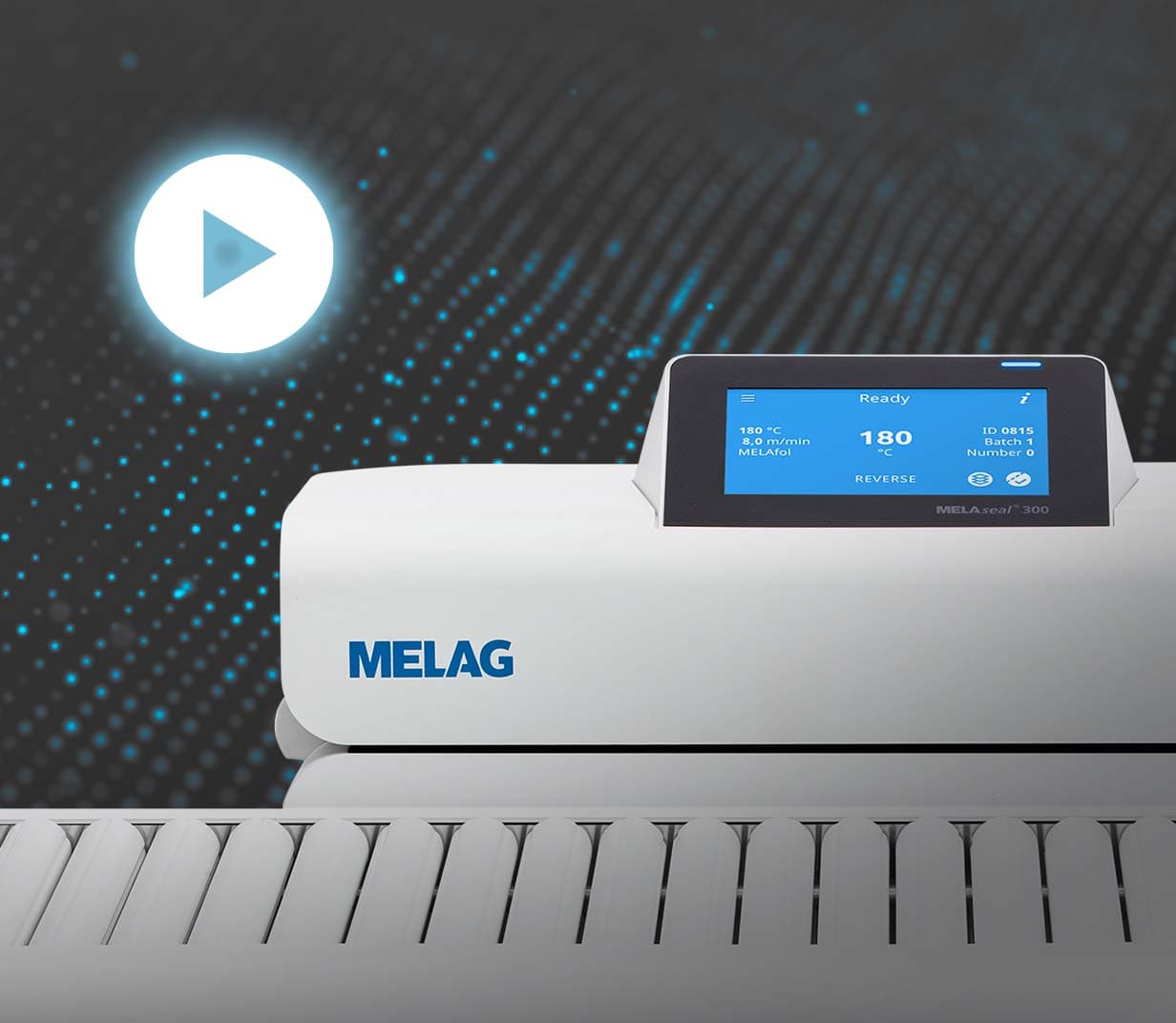
이 동영상을 재생하려면 YouTube의 쿠키 및 기타 외부 서비스를 허용해 주세요.

작업을 시작하기 전에 하루에 한 번씩 육안 및 기계 점검을 통해 테스트 밀봉 이음새를 수행 및 점검합니다. 박리 테스트를 수행하려면 밀봉된 필름 포장을 오토클레이브에서 멸균합니다. 증기 멸균기에서 꺼낸 후 밀봉 이음새를 박리 방향으로 천천히 떼어냅니다. 필름이 종이에서 완전히 벗겨졌는지 육안으로 확인합니다. 필름 포장을 개봉할 때 10mm 이상 닳아서는 안 됩니다.
박리 테스트 결과와 모든 추가 일상 점검을 검증 가능한 방식으로 문서화합니다. 이를 위해 멜라그 템플릿 체크리스트를 제공합니다.
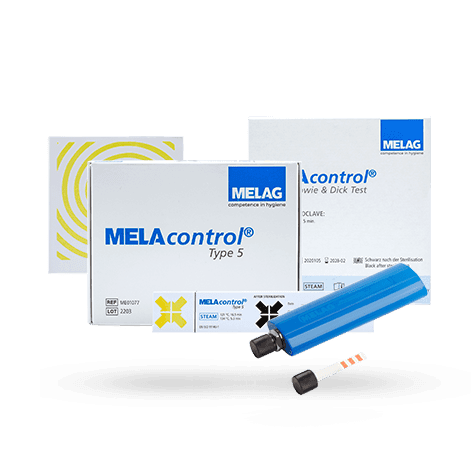
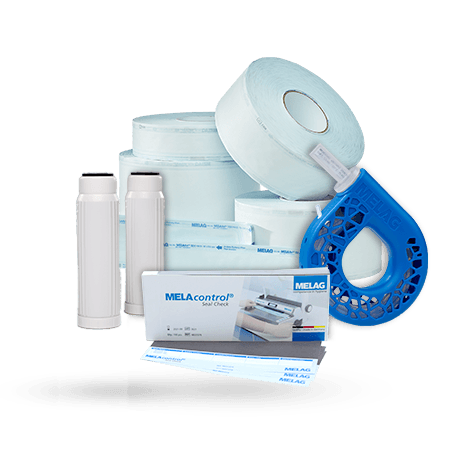
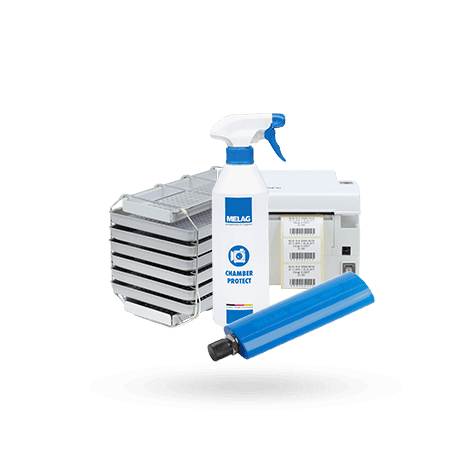
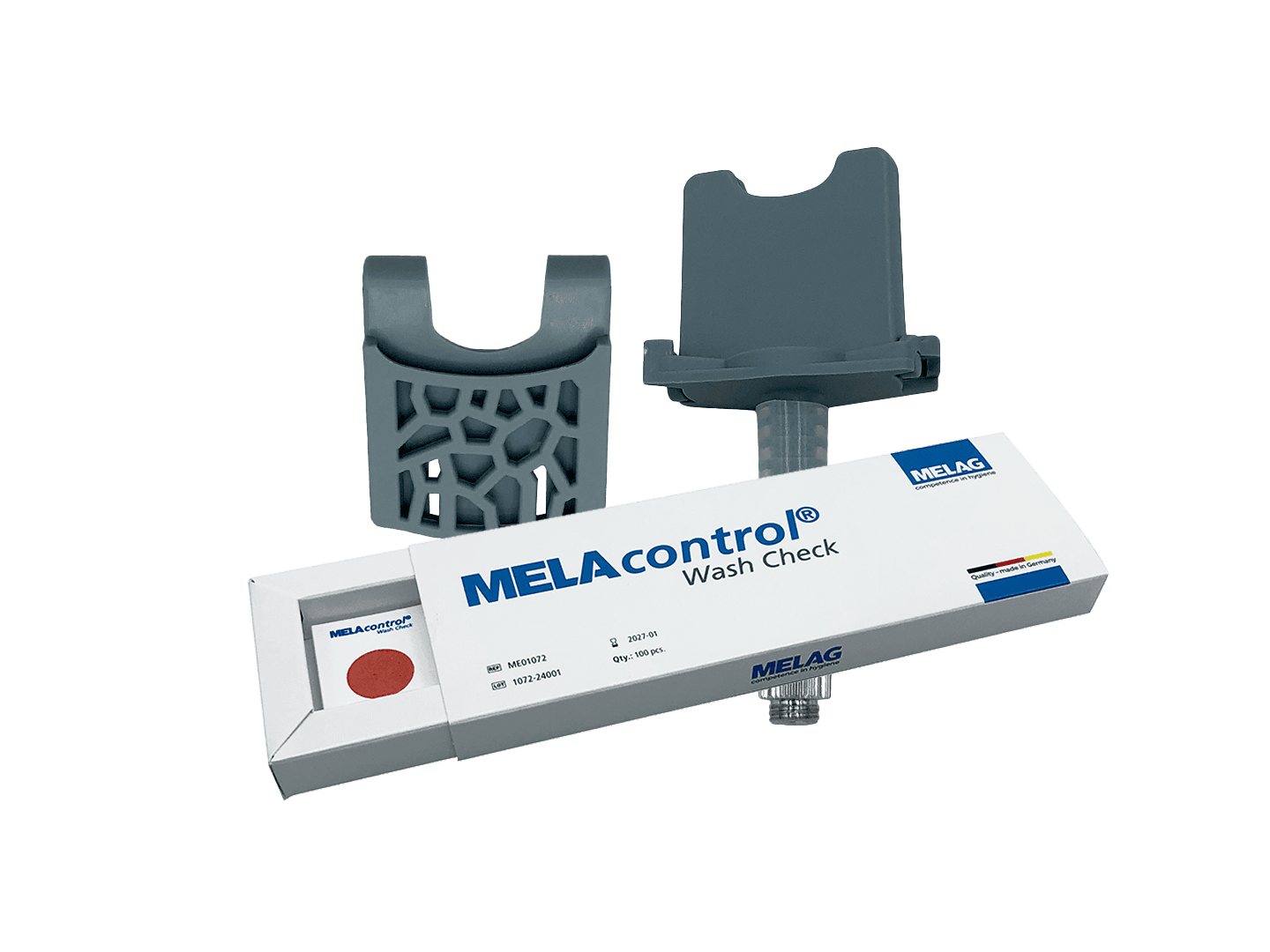
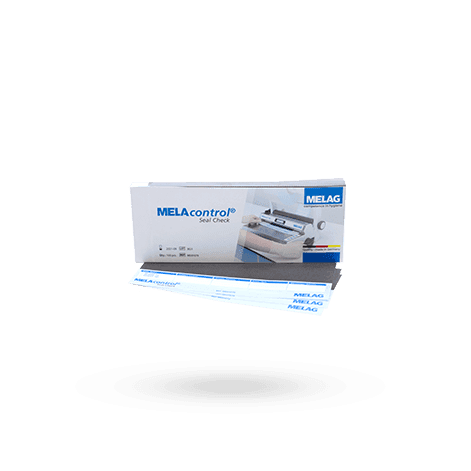
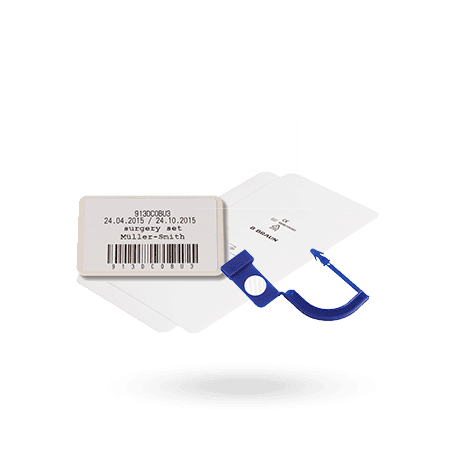
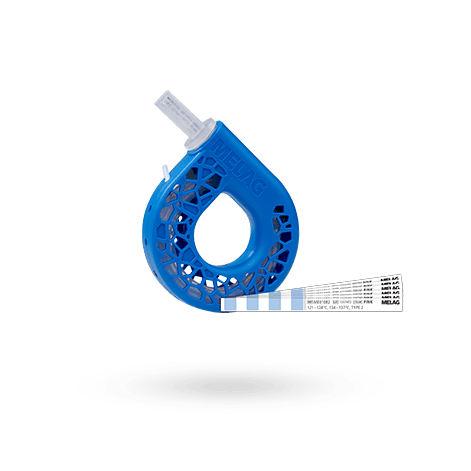
매일 씰 이음새의 씰 점검은 MELAG 씰 점검으로 수행할 수 있습니다. 멜라그 씰 체크는 안전하고 효율적인 방법으로 씰 이음새를 확인할 수 있습니다. 인쇄 샘플의 대비를 통해 실무팀은 필름 층이 종이 면과 올바르게 융합되었는지 여부를 빠르고 쉽게 확인할 수 있습니다. 씰 체크는 멸균 파우치에 삽입되며, 전체 씰 이음새에 변색이 없고 윤곽이 선명하면 성공적인 것입니다. 씰링 장치의 일상적인 테스트에 대한 추적 가능한 문서화를 위해 MELAconnect 앱을 제공합니다. 이 앱을 사용하면 스마트폰이나 태블릿의 카메라를 통해 씰 검사를 쉽게 보관할 수 있습니다.
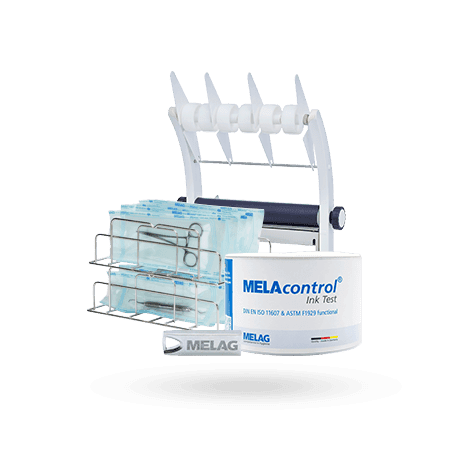
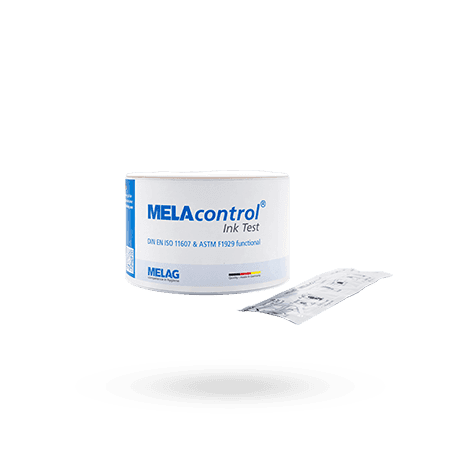
매주 실시하는 MELAink 테스트를 통해 씰 이음새의 불규칙성을 더욱 정확하게 파악할 수 있습니다. 잉크 테스트는 투명한 멸균 패키지에 넣고 밀봉합니다. 그런 다음 테스트 백에서 씰 이음새 방향으로 잉크를 밀어냅니다. 잉크가 퍼지면 포장의 네 면을 모두 테스트하여 밀봉 이음새의 불규칙성, 결함 또는 채널이 있는지 확인합니다.
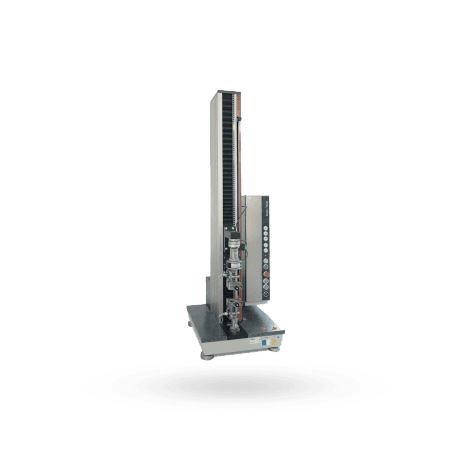
씰링 심 안정성 테스트는 매년 씰링 심의 인장 강도(인열 저항)를 점검하고 MELAG 씰링 장치를 사용한 포장 공정의 유효성을 검증하는 데 사용됩니다. 씰 심 안정성 테스트는 국제 표준에 따라 씰링 장치의 성능 검증을 위한 표준화된 테스트 절차입니다. 테스트는 유효한 결과를 보장하기 위해 첨단 전자 테스트 기계로 수행됩니다. 멜라그 씰링 심 안정성 테스트 신청서를 다운로드하세요. 이 양식에는 씰 심 안정성 테스트를 수행하는 데 필요한 모든 단계가 설명되어 있습니다.
씰링 장치는 멸균된 기구를 환자 치료에 필요할 때까지 오염 없이 보관할 수 있게 해줍니다. 포장 밀봉 심의 신뢰성과 안전성을 확인하기 위해 "밀봉 심 안정성 테스트" 또는 MELAink 테스트와 같은 일상적인 테스트를 제공합니다. 이러한 테스트는 지역 당국에서 정한 간격으로 수행해야 합니다.
병원 부문에서는 오랫동안 씰링 절차 중에 온도, 접촉 압력, 씰링 시간의 세 가지 프로세스 파라미터를 문서화하여 자동 점검을 수행하는 씰링 장치를 사용해 왔습니다. 현재 많은 국가에서 실무 기반 의료 분야에서 이러한 검증 가능한 밀봉 장치의 사용은 의무 사항은 아니지만 권장 사항인 경우가 많습니다.
그럼에도 불구하고 신규 구매를 고려하는 병원과 클리닉은 모든 공정 파라미터를 지속적으로 모니터링하고 문서화하여 재현 가능한 안전성을 보장하는 유효성 검사 가능한 밀봉 장치를 선택하는 것을 고려해야 합니다.
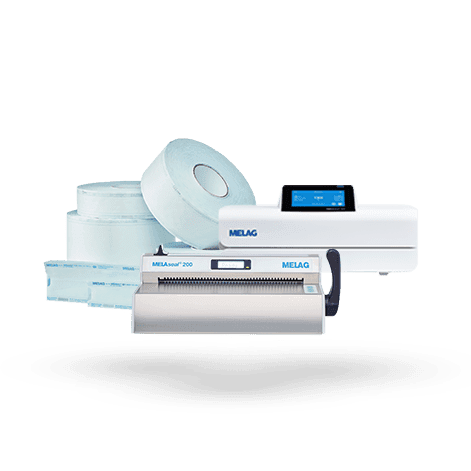
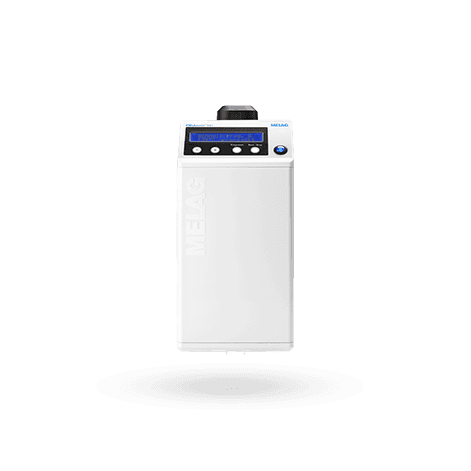
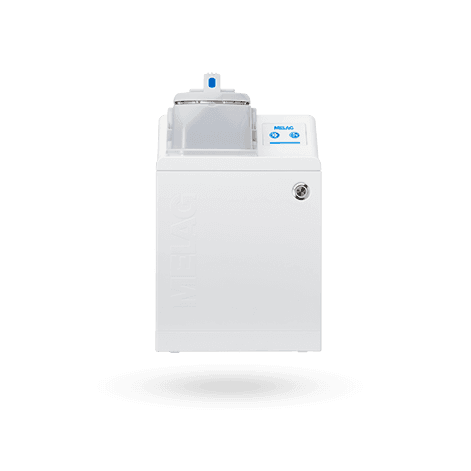
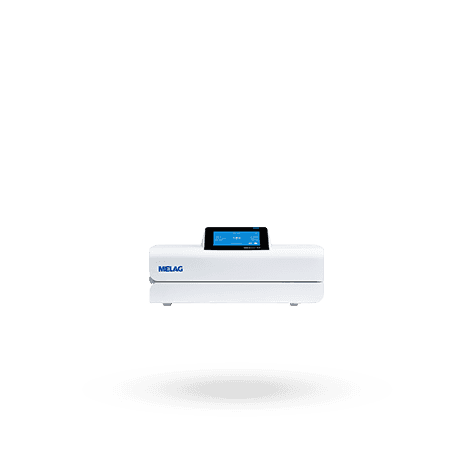
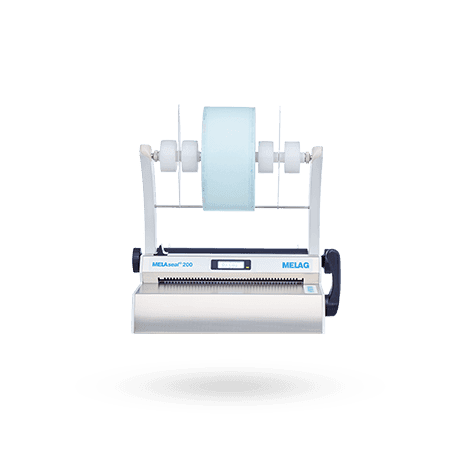
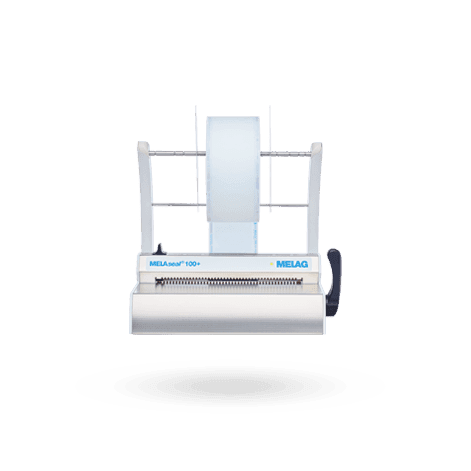
멜라그의 씰링 장치 MELAseal Pro와 MELAseal 200에는 국제 표준에 규정된 공정 파라미터 모니터링 시스템이 장착되어 있습니다. 씰링 로그는 문서화 인터페이스를 통해 발행됩니다.
의료기기에 대한 요건은 지침 93/42/EEC에 명시되어 있습니다. 지침 1조에 따라 93/42/EEC의 섹션 2가 적용되는 경우 제품은 의료기기에 해당합니다.
인체 내 또는 인체에 적용되는 제품을 설명하는 섹션 2a나 섹션 2b(의료기기 액세서리)에는 씰링 장치 및 그 적용에 대한 설명이 포함되어 있지 않습니다. 분류 기준의 부록 IX에는 씰링 장치에 대한 정의가 없습니다.
장치에 대한 정의를 제공하지 않습니다.
따라서 씰링 장치는 의료기기로 분류되지 않습니다. 그럼에도 불구하고 씰링 장치를 개발 및 생산할 때 MELAG은 지침 93/42/EEC의 요구 사항을 준수합니다.
필수 포장 및 표시를 포함한 멸균 의료 기기의 운송, 시운전 및 보관은 국제 표준에 의해 규제됩니다. 멸균 상태의 손실은 보관 중 외부 영향에 의한 것보다 보관 시간의 길이에 덜 영향을 받습니다,
운송 및 사용. 진료 및 클리닉 사용을 위한 보관 기간을 설정하는 것은 불가능합니다.
의료 기기의 보관 기간과 관련된 권장 사항은 종이 및 투명 포장 또는 기타 이에 준하는 포장으로 서랍, 찬장 등 보호된 보관 장소에 6개월 동안 보관할 수 있습니다. 기구의 보관 기간은 개별적으로 지정된 유효기간을 초과할 수 없습니다.
포장 시스템(멸균 차단 시스템과 보호 포장의 조합)은 제조업체가 다른 유효기간을 정하지 않은 한 5년 동안 보관할 수 있습니다.
포장되지 않은 기구는 24시간에서 48시간 이내에 사용해야 합니다. 항상 해당 국가의 요건을 고려하세요.
의료 기기를 보관하는 공간은 건조하고 어둡고 서늘하며 청소하기 쉬운 곳이어야 합니다. 일상적인 활동에서 접근이 불가능해야 합니다. 국제 표준 요건을 준수하는 방과 찬장에 기기를 안전하게 보관할 것을 권장합니다.
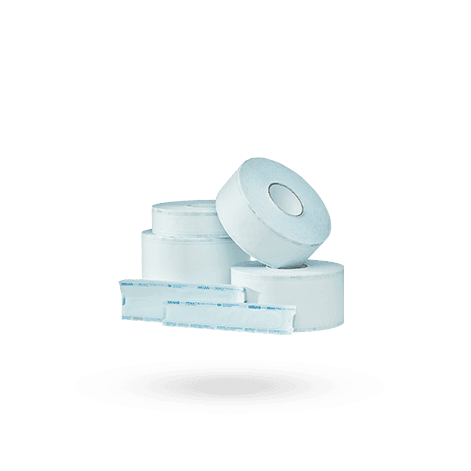
멜라폴은 국제 표준을 준수하며 멜라그 밀봉 장치에 완벽하게 적합한 투명 멸균 포장(롤 또는 다양한 크기의 백으로 제공)입니다. MELAfol은 찢어지지 않고 세균으로부터 밀봉되며 쉽게 개봉할 수 있습니다. 멸균 및 승인 후 안전한 기기 보관을 위한 MELAfol 제품에 대해 자세히 알아보세요.
In instrument reprocessing, a sealing device is used to seal sterilisation pouches or films securely and with absolute reproducibility so that the previously sterilised instruments packaged in them remain reliably barrier-protected until they are used. After cleaning, disinfection and sterilisation, the instruments are placed in suitable sterilisation packaging, which is then sealed in the sealing device using defined parameters such as temperature, sealing time and contact pressure. This controlled process ensures that each seal seam is consistently tight and stable and fulfils the normative requirements. Only a correctly executed and documented seal can prevent germs or other contaminants from entering the packaging from the outside and jeopardising the sterile condition. The sealing device therefore makes a significant contribution to maintaining the sterility of the instruments during storage, transport and provision, thus ensuring safe use on patients.
There are two main types of sealing devices in instrument reprocessing, which differ in their mode of operation and scope of performance. Continuous flow sealers work continuously: the sterilisation pouches or tubes are simply fed into the feed opening, transported automatically and sealed at a constant speed. As a result, they achieve a particularly high throughput and are ideal for practices or clinics with a high volume of instruments.
Impulse sealers, on the other hand, work in cycle mode. Here, the pouch is inserted manually and sealing takes place after the sealing arm is closed or by activating the sealing plate. These devices are more compact, require less space and are suitable for small to medium quantities of sealed goods.
Both types of device can be validated, which is crucial in the medical sector. Regardless of the design, the sealing device must guarantee consistent and reproducible process quality - this is the only way to ensure that each seal fulfils the requirements for stability, tightness and conformity to standards.
The use of sealing devices in instrument reprocessing is subject to clear standards and specifications that define the requirements for both the packaging material and the sealing process itself. DIN EN ISO 11607-1 and DIN EN ISO 11607-2 are central to this.
DIN EN ISO 11607-1 describes the basic requirements for sterile barrier systems and their packaging materials. It specifies the properties that sterilisation packaging must have in order to ensure the sterile status of the goods during sterilisation, storage, transport and use.
DIN EN ISO 11607-2 regulates the requirements for process validation of the sealing procedure. It requires that the sealing process is demonstrably controlled and reproducible - i.e. works with constant parameters such as temperature, pressure and time. This ensures that every sealed seam is reliable and stable.
In addition, material-related standards apply, in particular the EN 868 series, which describes further specific requirements for sterilisation packaging, e.g. with regard to strength, puncture resistance or material structure.
In addition to the standards, the manufacturer's specifications for the sealing devices and packaging materials are also binding. They specify the conditions under which the respective product can be operated in compliance with the standard and which parameters must be adhered to in order to achieve a valid and reliable sealing result.
A validatable sealing process means that the three decisive process parameters of temperature, pressure and time (TDZ) are continuously monitored, recorded and evaluated in order to be able to prove the consistently reliable quality of the sealed seams. Such a process fulfils the requirements of DIN EN ISO 11607-2 and makes it possible to prove at any time that each individual seal has taken place under controlled and stable conditions.
This also includes validation as part of IQ/OQ/PQ:
IQ (Installation Qualification) checks whether the sealing device has been installed correctly and fulfils all technical requirements.
OQ (Operational Qualification) ensures that the device functions reliably within defined parameters, i.e. that it reaches and maintains the target values for temperature, pressure and time.
PQ (Performance Qualification) proves that the entire sealing process produces reproducibly reliable sealing seams in the actual workflow.
This monitoring and documentation makes it possible to prove at any time that the sealing seams fulfil the normative requirements and thus guarantee verifiably safe, stable and leak-proof packaging of the sterile goods.
Typical sealing parameters always depend on the packaging material used and the respective sealing device, as different film and paper qualities place different demands on temperature, pressure and time. As a general rule, the parameters must be set in such a way that sufficient seal strength is achieved without causing thermal or mechanical damage to the material.
In practice, the temperatures of many medical sealers are often in the range of approx. 170-190 °C, while the pressure and sealing time vary depending on the type of device. Rotary sealers operate at a constant temperature and transport speed, while impulse sealers regulate the sealing time via a defined sealing time.
The exact settings are not specified across the board, but are defined and documented during validation (IQ/OQ/PQ). This involves checking which combination of parameters produces a stable, standard-compliant and reproducible sealed seam for the material used. The decisive factor is therefore not a specific numerical value, but process consistency and the verifiable suitability of the parameters for the respective packaging system.
Only approved and standard-compliant packaging materials that have been specially developed for steam sterilisation are suitable for sterile packaging in instrument reprocessing. These include, in particular, sterilisation films and papers, transparent pouches and sterilisation tubes or rolls that meet the requirements of DIN EN ISO 11607 and the EN 868 series.
These materials consist of suitable film and paper composites that ensure the necessary barrier effect against germs on the one hand and allow steam to enter and exit safely during sterilisation on the other. Only tested and approved original materials reliably fulfil these requirements.
It is also important to only use original packaging with batch labelling. Batch labelling enables clear traceability and is a prerequisite for correct documentation as part of quality assurance. Material batches that are clearly tested and certified ensure that each packaging has the required stability, tear resistance and sterile barrier performance.
To summarise: Standard-compliant sterilisation films, papers, pouches and rolls that are specifically intended for medical sterilisation are suitable - and may only be used in original quality with traceable batch labelling.
Testing the seal seam quality on a daily basis involves several practical and standardised inspection steps to ensure that each pack forms a stable and tight sterile barrier. In routine operation, this begins with the visual inspection of each individual seal seam: the seam must be even, continuous and pore-free, without interruptions, creases or burnt areas. Deviations such as shadows, fraying or irregular structures can be indications of faulty sealing parameters or material problems.
Peel tests are also carried out regularly as part of the inspection plan. The seal seam is torn open in a controlled manner to assess whether the film and paper separate cleanly without the material tearing or fibres being torn out. The peel test shows whether the joint is stable enough but can still be opened in a controlled manner, as required for use in sterile areas.
Regular strength tests (e.g. with standardised test strips or tensile testers) are also part of quality assurance. These tests ensure that the seal seams achieve the required strength and that the packaging does not tear open unintentionally during storage, transport and handling.
All test results must be documented in accordance with the in-house test plan. Only complete documentation provides proof of a consistently reliable sealing process and fulfils the requirements of the applicable standards and guidelines.
Correct labelling of sterile packaging is essential for traceability, documentation and patient safety. It includes several mandatory details that must be applied clearly, legibly and abrasion-resistant. This usually includes
Sterilisation date and expiry dateThe sterilisation date documents the time of reprocessing. The expiry or release date is determined by the in-house storage periods for packaged sterile goods.
Batch and device IDEach reprocessing unit requires a unique batch identification that can be used to trace the sterilisation cycle, the device used and any employees involved. The device ID or steriliser name must also be included.
UDI/barcode (if required)For certain medical devices or internal QM processes, a UDI (Unique Device Identification) or a machine-readable barcode may also be required to enable seamless digital traceability.
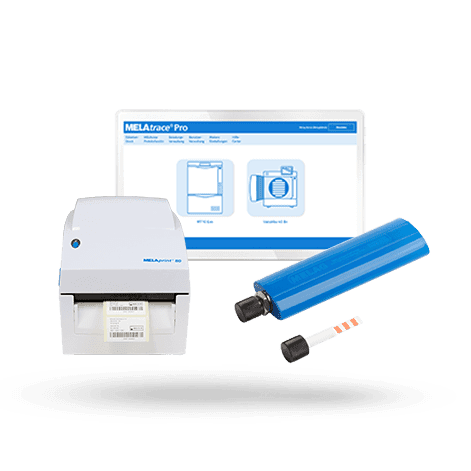
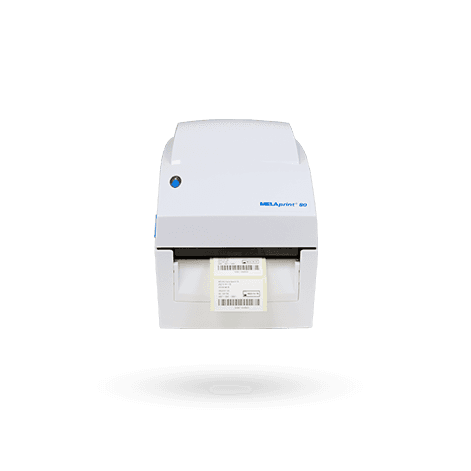
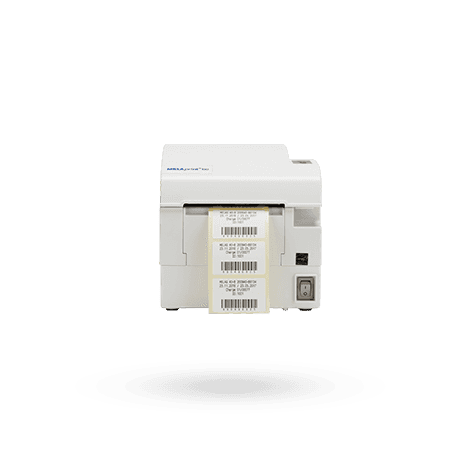
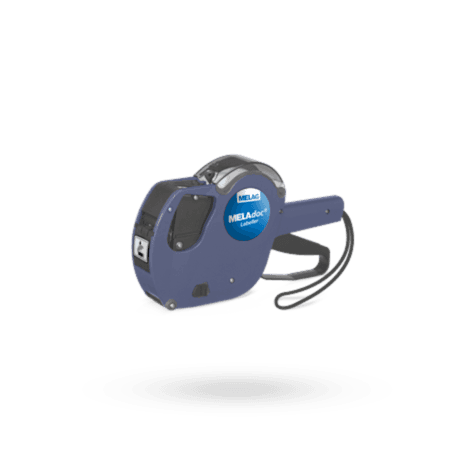
Ideally, labelling is carried out directly using the integrated print function of modern validatable sealing devices, which automatically print the information cleanly and smudge-proof onto the packaging. Alternatively, external label printers or pre-printed, abrasion-resistant labels can be used. It is important that the labelling remains permanent - even during storage, transport and handling - and does not cause any damage to the sterile barrier.
The integration of a sealing device into traceability is an important part of a modern, documentation-secure reprocessing process. Today, validatable sealing devices usually have digital interfaces such as USB or LAN, which can be used to automatically transfer all relevant process parameters and batch data to a documentation or reprocessing management system (DMS/AEMP software). As a result, temperature, pressure, time as well as device and operating information are seamlessly archived and linked to the respective sterile goods.
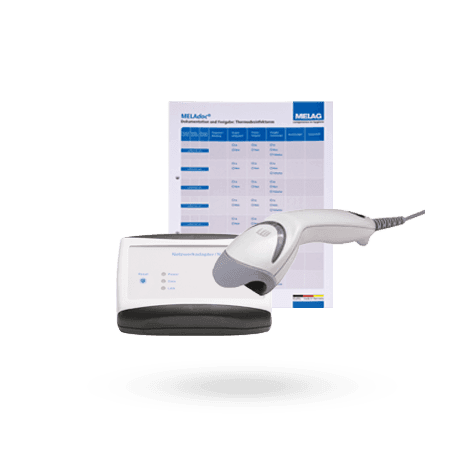
In addition, barcode scanners or integrated print and scan modules can be used to clearly link individual pouches to the corresponding sterilisation batch. This creates a direct link between the sealing process, sterilisation cycle and subsequent use on the patient or case. When sealing, for example, the employee can scan the pouch, the steriliser batch and - depending on the workflow - even the patient case so that all data records are automatically linked.
In this way, the sealing device becomes an integral part of digital traceability: every step - from packaging and sealing to sterilisation and subsequent use - is clearly traceable. This not only increases patient safety, but also fulfils the requirements for audit-proof, standard-compliant documentation.
Common sealing defects are usually caused by incorrect process parameters, unsuitable handling or contaminated packaging material. Typical problems are
UndersealingThe seal seam is not fully bonded, appears porous or is too easy to open. This is usually caused by too low a temperature, too short a sealing time or insufficient contact pressure. Prevention: Check sealing parameters, comply with validation values, maintain the appliance regularly.
Over-sealingThe seam is burnt, too wide or shows material damage. This is often caused by too high a temperature or too long sealing contact. Prevention: Adjust the temperature and sealing time to the material requirements, follow the manufacturer's instructions.
"Shadow seams"Irregular, patchy or inhomogeneous seam structures that indicate inadequate heat or pressure distribution. Avoidance: Check the contact pressure, adjust the transport speed (for rotary sealers), operate the device rhythmically and evenly.
Wrinkles or creases in the materialWrinkles can result in the seam not closing completely and the sterile barrier being interrupted. Avoidance: Insert pouches cleanly and smoothly, select the correct cutting length for roll material, check material tension.
Contaminated or moist sealing surfacesResidues such as moisture, powder, instrument oil or cleaning agents prevent a stable bond. Avoidance: Only use completely dry packaging, keep the working environment clean, do not bring films and paper into contact with wet hands or contaminated surfaces.
The width of the sealing seam is an important quality parameter because it contributes significantly to the stability and tightness of the sterile barrier. In practical use, the sealing seam should be at least around 6 mm wide - this value is a recognised minimum standard, but can vary depending on the device type, material and manufacturer specifications. Many modern sealing devices even produce wider seams to create additional safety reserves.
The actual seam width required is determined during validation. This involves testing and documenting which seam width provides sufficient strength and a standard-compliant barrier effect for the packaging material used. The decisive factor is therefore not just a general millimetre value, but that the seam width achieved is constant, reproducible and demonstrably suitable.
The shelf life of sterile goods cannot be specified with a fixed date, as it depends on several factors. The packaging material, the storage conditions and the handling of the packaged sterile goods are the most important factors. The basic rule is: as long as the packaging is undamaged, dry, clean and intact, the sterile condition is maintained - however, practical storage periods are set to ensure safety and traceability.
Clean, dry and low-dust storage contributes significantly to extending the shelf life. Closed cabinets or shelves in an area with as little air turbulence as possible and without moisture ingress are ideal. Careful handling is equally important: kinks, crushing or abrasion on the packaging can jeopardise the sterile barrier and significantly reduce the shelf life.
The first-in, first-out (FIFO) principle is recommended for organisational safeguarding. This ensures that older batches are used first and that no packaging is stored for an excessively long time.
A sealing device requires regular and professional maintenance to ensure permanently reliable, reproducible sealing seams. This primarily includes cleaning the pressure rollers and heating elements, as particles, fibres or film residues can build up there in everyday use and impair the seam quality. Clean contact surfaces ensure even heat and pressure transfer.
It is equally important to check and replace wearing parts in good time - for example rollers, Teflon tapes, heating strips or transport components. Worn or damaged components can lead to shadow seams, irregular structures or incorrect sealing.
Calibrating the temperature sensors is also a key part of maintenance. A reliable and validatable sealed seam can only be produced if the device measures and controls the actual temperature correctly. Deviations in temperature control often only become apparent during tests or in the validation process, which is why regular calibration is absolutely essential.
All measures - whether cleaning, replacing parts, functional tests or calibrations - must be recorded and documented as part of regular validation. This provides proof that the device is always operated in compliance with standards and fulfils the requirements for a reliable, reproducible sealing process.
Selecting the right sealing device for a practice or clinic means taking into account both the technical requirements and the organisational framework conditions for reprocessing. A decisive factor is performance: practices with a large volume of instruments often benefit from rotary sealers, which enable a fast and continuous workflow. Impulse sealers can be perfectly suitable for low to medium volumes.
Material mixing is also important. If bags of different sizes or rolls are frequently processed, the sealer must be flexible and ergonomic to operate. The degree of integration also plays an important role: modern devices with integrated print function, barcode support and computer connection (USB/LAN) facilitate traceability and reduce manual work steps. Whoever uses digital documentation must ensure a seamless connection to the reprocessing software.
The space requirements and the spatial structure of the reprocessing unit also influence the selection. Compact pulse devices fit well in small sterile rooms, while continuous flow devices usually require more space and optimised work logistics.
Another point is the validation requirements. The device must guarantee a stable and reproducible process and be able to document all necessary parameters. The higher the requirements of the practice or clinic - e.g. in relation to audits or quality management systems - the more important it is to choose a validatable device with precise process control.
The total cost of ownership (TCO ) should also be taken into account. This includes not only the purchase price, but also ongoing costs such as maintenance, consumables, service contracts and possible downtime. Good service from the manufacturer and the availability of regional technicians are essential for trouble-free operation.
Requalification refers to the re-examination of an already validated sealing process to ensure that it continues to work stably, reproducibly and within the defined tolerances. It is an integral part of quality assurance in accordance with DIN EN ISO 11607-2 and is part of every professional reprocessing process.
Requalification is always due when general conditions change that could have an impact on the sealing process. Typical triggers are
Material changesNew pouch or film materials, other manufacturers or batch changes that involve relevant differences in the material structure.
Parameter adjustmentsIf temperature, pressure or sealing time need to be changed, e.g. due to material changes or optimisations in the workflow.
Change of locationMoving the device - even within the practice - can have an impact on process stability due to temperature, humidity or mechanical influences.
Repairs or technical interventionsReplacement of heating elements, pressure rollers, sensors or electronics requires a mandatory check of the process capability.
Periodic requalification according to the QM planRegardless of changes, requalification is carried out at fixed intervals (e.g. annually) to prove that the process remains stable over the entire utilisation period.
The aim of requalification is always the same: to prove that the sealing process continues to be standard-compliant, validated and safe, so that every sealed seam reliably fulfils the requirements for strength and tightness.