이 동영상을 재생하려면 YouTube의 쿠키 및 기타 외부 서비스를 허용해 주세요.

찬물로 사전 헹굼 단계는 거친 오염과 단백질을 제거하기 위한 첫 번째 단계입니다. 사전 헹굼에 찬물을 사용하면 단백질 잔류물의 응고를 방지할 수 있습니다. 세척기-소독기의 후속 세척 단계는 알칼리성 효소 세척제와 따뜻한 물로 수행됩니다.
MEtherm 51은 고성능 약알칼리성 세척제로, MELAtherm 10 및 MELAtherm 10 Evolution을 사용한 기기 재처리를 위한 단백질 및 지방 잔류물 제거를 위한 세척제입니다. 재료 친화적인 MEtherm 51 세척제의 탁월한 세척 성능은 계면활성제와 효소의 혁신적인 조합을 통해 달성됩니다. 동시에 이 세척제는 MELAtherm 10 및 MELatherm 10 Evolution의 특정 요구 사항에 맞게 조정되어 기기와 세척 챔버에 잔류물이 생기는 것을 방지합니다.
구연산 또는 인산 기반 중화제의 낮은 pH 값은 이전 세척 단계의 알칼리도를 균일화합니다. 세척 소독기에서 기구를 중화시킨 후 중간 헹구면 잔여 세척제가 제거되어 최상의 세척 결과를 얻을 수 있습니다.
구연산 기반 MEtherm 55는 특히 치과, 안과 및 안과 수술 환경에서 사용하기에 적합한 재료 친화적인 중화제입니다. 인산 기반 MEtherm 56은 산부인과, 이비인후과, 외과 진료 및 클리닉에서 사용되는 기구의 산성 침전물을 안정적으로 제거합니다. MEtherm 시리즈의 중화제는 기구를 회전시키고 잔류물 형성을 방지하는 데 효과적입니다.
맑은 물로 중간 헹굼 후, 5분의 유지 시간을 포함하여 90°C에서 기구의 적절한 열 소독이 수행됩니다. 온도와 시간의 조합을 통해 열 소독에서 특히 중요한 A0 값인 최소 3.000을 달성할 수 있습니다. A0 값은 자동화된 열 기기 재처리 과정에서 미생물 제거를 위한 표준을 나타냅니다.
세척기 소독기 멜라썸 10의 모든 프로그램은 자원과 에너지를 절약하고 최단 작동 시간과 최상의 세척 결과를 보장하도록 설계되었습니다. 기기의 세척 및 소독 후 최적의 건조 결과를 보장하기 위해 가열 단계에서 pH 중성 MEtherm 61 린스가 이미 첨가되어 있습니다.
외부 및 내부 건조를 통해 기구가 부식 및 손상되지 않도록 보호합니다. 기구 건조를 위해 세척 소독기로 유입되는 주변 공기에서 미생물을 제거하기 위해 HEPA 필터가 설치되어 있습니다. 따라서 세척 및 소독 절차가 끝나면 기구는 건조하고 손이 따뜻해집니다. 핸드피스, 터빈, 내시경 또는 안과 기구와 같이 루멘이 좁은 중공형 기구는 제조업체의 사양에 따라 추가적인 수동 건조가 필요합니다.
시중에 나와 있는 다른 많은 세척 소독기와 달리 MELAtherm 10과 MELAtherm 10 Evolution은 추가 비용 없이 자동 건조 기능을 갖추고 있습니다. MELAG 세척기 소독기의 활성 건조는 부식, 손상 및 얼룩 발생을 방지하여 기기의 가치 유지를 보장합니다.
A washer-disinfector, also known as a washer-disinfector, is an automated device for the automated reprocessing of medical devices. Its task is to clean, rinse, thermally disinfect and then dry instruments in a standardised manner - in a closed, controlled process.
In contrast to manual reprocessing, which can be error-prone and hygienically risky, a washer-disinfector works with reproducible, validatable programmes. This means that unsafe work steps such as manual brushing or disinfection are replaced by a standardised, documentable process. Thermal disinfection is carried out at a defined temperature over a certain period of time, which reliably reduces germs.
A washer-disinfector therefore makes a significant contribution to safety, quality and efficiency in instrument reprocessing: It protects staff from contamination, increases process reliability, standardises reprocessing and creates the conditions for subsequent successful sterilisation in an autoclave.
이미 제시된 기계적 세척 및 소독의 장점 외에도 자동 세척 및 소독 장치(RDG)의 사용은 법적으로도 의무화되어 있습니다. 법적 의무는 RKI 권고와 함께 의료기기 운영자 조례에 따라 발생합니다. 다음은 주요 법적 근거에 대한 간략한 개요를 제공합니다:
로버트 코흐 연구소(RKI)의 병원 위생 및 감염 예방 위원회(KRINKO)와 연방 의약품 및 의료기기 연구소(BfArM)의 권고(2.2.2장 세척, 소독, 세척 및 건조): "세척 및 소독 장치(RDG)의 열처리 방법은 화학 및 화학-열 소독 방법보다 효과가 더 신뢰할 수 있기 때문에 우선적으로 고려해야 한다."
법적 초점은 특히 '중요 B' 의료 기기의 재처리에 맞춰져 있습니다. 복잡한 기기 설계와 민감한 적용 분야로 인해 RKI는 기본적으로 세척 및 소독 장치(RDG)를 사용한 기계적 재처리를 옹호하고 있습니다.
또한 기기 재처리에 세척 및 소독 장치(RDG)를 사용하는 것은 산업 안전 요건도 충족합니다. 생물학적 제제에 대한 기술 규정 TRBA 250은 이러한 요구 사항을 강조합니다:
"기구의 소독 및 세척은 부상 및 오염의 위험을 최소화하고 직원이 소독제에 접촉하지 않도록 보호하기 위해 자동화된 장치의 폐쇄형 시스템에서 수행하는 것이 바람직합니다. 조직적, 기술적 조치를 통해 오염된 기구의 사전 재포장은 피해야 합니다."
MELAtherm 10 및 MELAtherm 10 Evolution의 능동 건조 기능은 세척 및 소독 후에도 기구를 건조하고 손으로 따뜻하게 사용할 수 있도록 보장합니다. 활성 건조는 부식과 손상으로부터 기구를 보호합니다. 추가 헹굼 보조제는 기구와 세척 챔버의 얼룩 없는 건조 과정을 보장합니다.
또한 세척 소독기의 액티브 건조는 시간과 작업을 절약해 줍니다. 능동 건조 기능이 없는 기기와 비교했을 때, 기기를 바로 추가 공정 단계인 기기 오염 제거에 사용할 수 있습니다. 따라서 후속 수동 건조가 필요하지 않습니다.
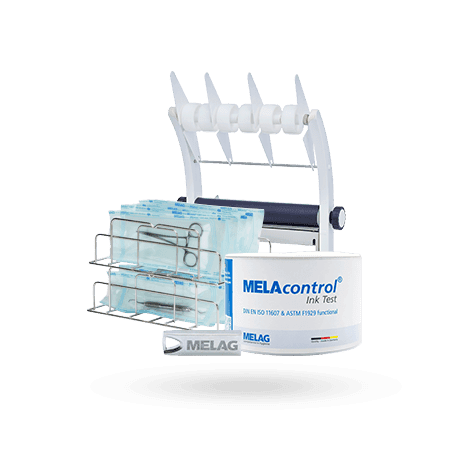
예를 들어 티슈로 말릴 필요가 없습니다. 기구의 건조는 포장 공정에 필수적입니다. 멸균 파우치 포장에는 건조한 기구가 필요합니다.
국제 위생 가이드라인에서는 소독된 기구의 재오염을 방지할 수 있는 조건에서 최종 헹굼과 건조를 수행할 것을 권장합니다. 이 권장 사항에 따라 의료용 압축 공기를 사용하여 건조할 것을 권장합니다. MELAtherm 10 및 MELAtherm 10 Evolution에 통합된 HEPA 필터는 이 요건을 충족하며 세척 및 소독 후 기구가 재오염되지 않도록 보호합니다.
공정 신뢰성과 효율성을 극대화하기 위해 MELAG 열 소독기에는 추가 비용 없이 필수적인 활성 건조 기능이 장착되어 있습니다.
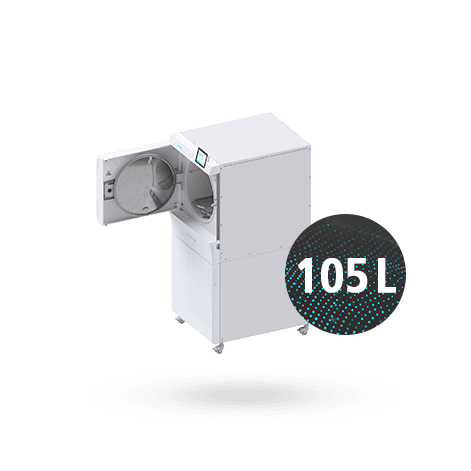
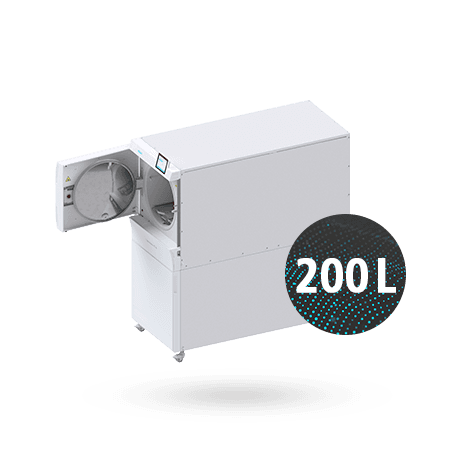
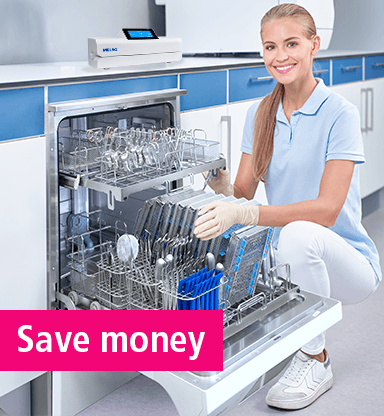
구매 결정 시 세척기 소독기의 챔버 크기에 초점을 맞추는 경우는 거의 없습니다. 그럼에도 불구하고 올바른 오염 제거 챔버를 선택하는 것은 기구 세척 및 소독에 있어 중요한 요소입니다. 실무에 최적화된 MELAtherm 10 및 MELatherm 10 Evolution의 처리 챔버는 낮은 소비량과 함께 빠른 작동 시간을 보장합니다. MELAG 열 소독기는 사이클당 비용이 1,10유로(전력, 용수 및 공정 약제 비용)에 불과합니다.
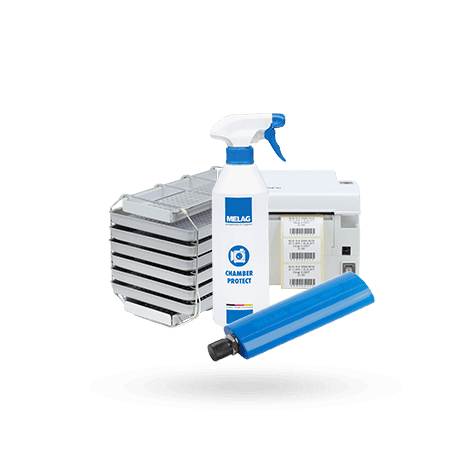
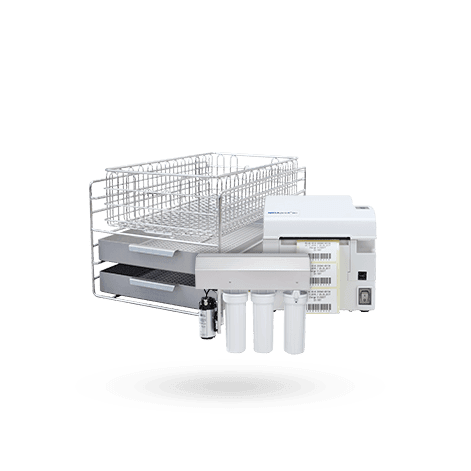
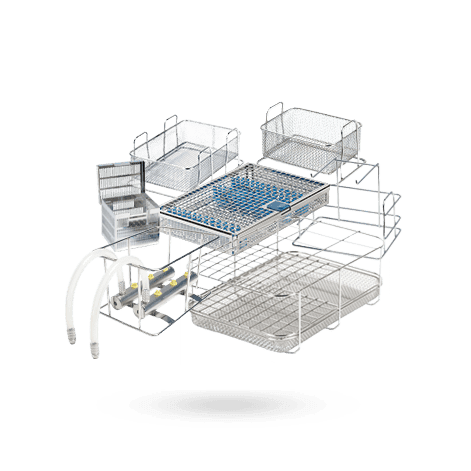
80개 이상의 특수 개발 액세서리를 통해 의료 및 치과 진료의 개별 요구 사항을 충족하도록 MELAtherm 10 및 MELatherm 10 Evolution의 진료에 최적화된 치료 챔버를 수정할 수 있습니다. 플렉스 시스템을 사용하면 인서트 바스켓을 2단계로 쌓을 수도 있습니다. 이를 통해 많은 진료소와 클리닉에서 하루에 최대 100명의 환자를 위해 MELAtherm 10을 사용할 수 있습니다. 대규모 진료소 및 클리닉을 위한 솔루션에 대한 자세한 내용은 참고 자료 또는 멜라그 세척 소독기의 적재 용량에 대한 팩트 체크 동영상에서 확인할 수 있습니다.
세척 챔버가 큰 세척 소독기는 작은 세척 소독기에 비해 작동 속도가 현저히 느리고 비용 효율이 떨어질 뿐만 아니라 진료 루틴에서 비효율적으로 적재되는 경우가 많습니다. 고객의 필요에 가장 적합한 제품을 구매하려면 영업 담당자와 협력하여 멜라썸 세척 소독기에 가장 적합한 부하 구성을 찾는 것이 좋습니다. 국제 영업팀에서 해당 국가에 적합한 파트너를 찾을 수 있습니다. 메틀러 토레도의 전문 영업팀이 귀사의 기기 오염 제거 워크플로우를 최적화하기 위해 기꺼이 협력할 것입니다.
멜라그 세척 소독기로 세척 및 소독하는 것은 귀중한 기구의 오염을 제거하는 가장 안전하고 효율적인 방법입니다. 전 세계 15,000개 이상의 의료 및 치과 병원이 활성 건조, 통합 프로세스 에이전트 및 문서화 인터페이스를 갖춘 MELAtherm 10의 고유한 제품 특장점을 활용하고 있습니다.
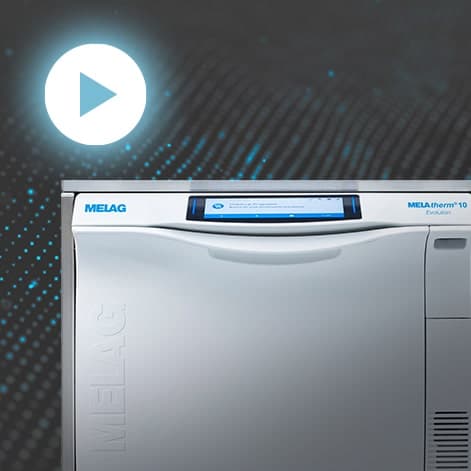
검증된 제품 기능에 더하여, 새로운 MELAG 세척 소독기 MELAtherm 10 Evolution은 더욱 효율적인 기구 재처리를 위한 혁신으로 확신을 줍니다.
MELAtherm 10 Evolution의 아쿠아부스트 기술은 이중 헹굼 압력을 통해 최대 44% 더 나은 세척 결과를 보장합니다. 또한 파워가 증가하여 더 많은 기구를 재처리할 수 있습니다: 인젝터 바스켓 Flex 1을 사용하여 최대 23개의 핸드 피스를 소독하고 하루에 최대 40명의 환자를 위한 추가 기구를 소독할 수 있습니다.
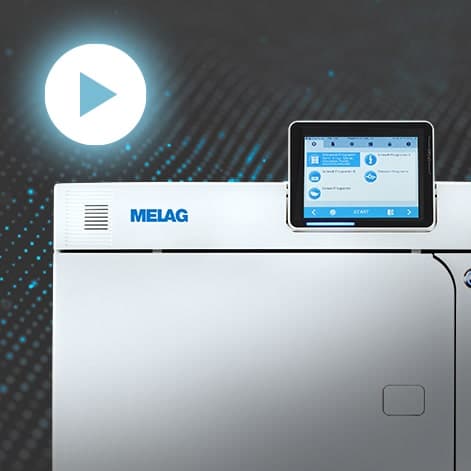
대형 스마트 터치 디스플레이로 조작과 프로그램 선택이 용이합니다. 사용 편의성을 극대화하기 위해 로딩, 프로그램 선택, 공정 에이전트 교체 등과 관련된 문제를 스마트 터치 디스플레이의 비디오 튜토리얼을 통해 신속하고 직접적으로 해결할 수 있습니다. 사용자 인증 및 일괄 승인은 ProControl을 통해 종이 없이 빠르게 수행할 수 있습니다. 따라서 자동 세척 및 소독 후 비수술 기구를 승인하고 즉시 재사용할 수 있습니다(해당 국가 표준을 준수해야 함).
새로운 MELAconnect 앱을 사용하면 MELAtherm 10 Evolution과 MELAG 시스템 솔루션의 잠재력을 최대한 활용할 수 있습니다. 언제 어디서나 진료실과 병원에서 스마트폰과 태블릿으로 기기 상태와 프로그램 진행 상황을 원격으로 모니터링할 수 있습니다. 통합된 씰 체크 기능, 미디어 센터 및 문제 해결 도구는 기기 재처리에서 스마트 워크플로우의 이점을 더욱 많이 누릴 수 있도록 도와주는 추가 기능입니다.
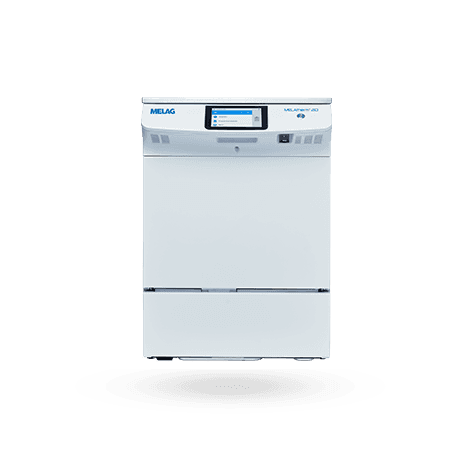
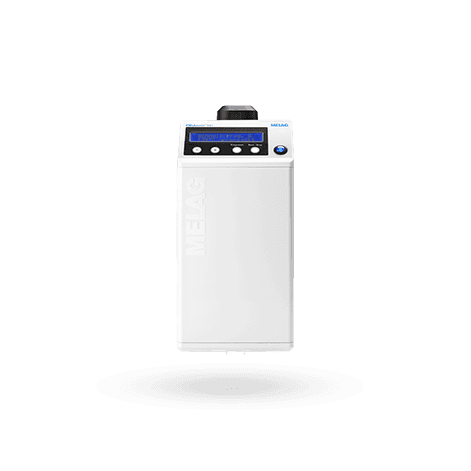
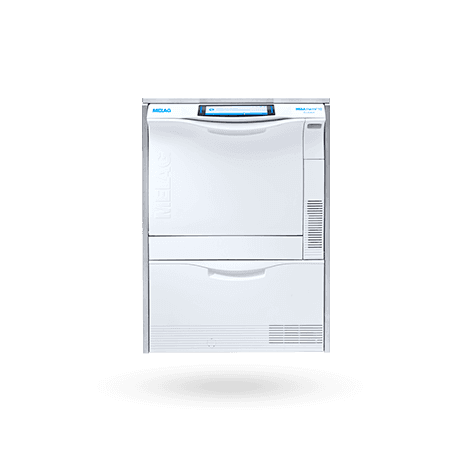
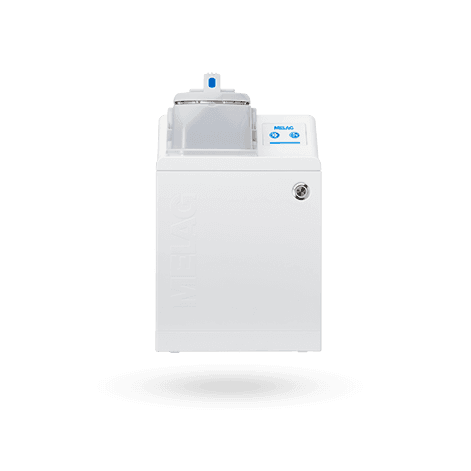
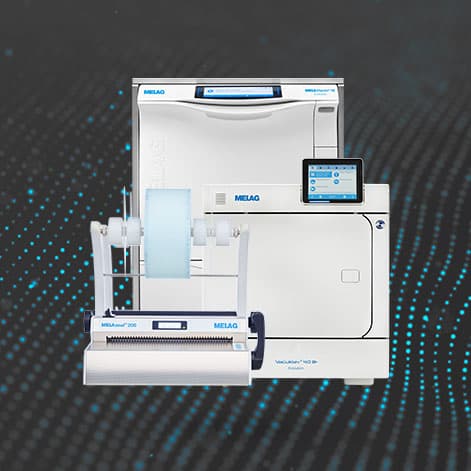
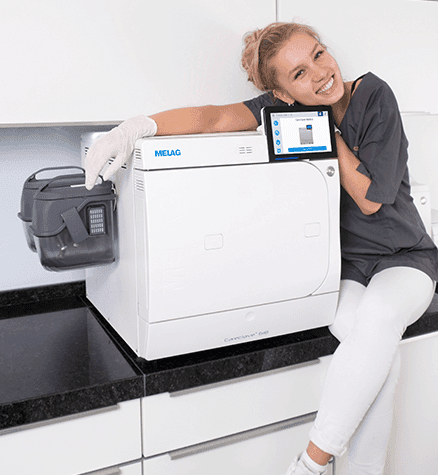
멜라썸 10과 멜라썸 10 에볼루션의 컴팩트한 장치 컨셉은 공간 절약형 설치가 가능합니다. 활성 건조, 계량 모듈, 프로세스 에이전트 및 문서 인터페이스가 이미 장치에 통합되어 있습니다. 따라서 폭: 60cm, 높이: 82cm, 깊이: 60cm의 표준 설치 치수가 가능합니다. 따라서 MELAG 열 소독기는 모든 찬장에 편리하게 설치할 수 있습니다.
MELAtherm 10 시리즈의 세척기 소독기는 두 가지 버전으로 제공됩니다: 400V 고전력 전류에 연결된 MELAtherm 10 DTA는 매우 빠른 사이클 시간을 보장합니다. 진료실이나 클리닉에 3상 전류 연결이 설치되어 있지 않은 경우, MELAtherm 10 DTB는 230v 소켓을 대체할 수 있습니다. 230v 버전의 DTB 장치를 사용하면 전체 재처리 절차(세척, 소독 및 건조)가 15분만 연장됩니다.
세탁기 소독기 역시 물 연결이 필요합니다. 스팀 살균기와 달리 세탁기 소독기는 수돗물을 사용하여 작동할 수 있습니다. 따라서 설치 시 급수 및 폐수 연결이 필요합니다.
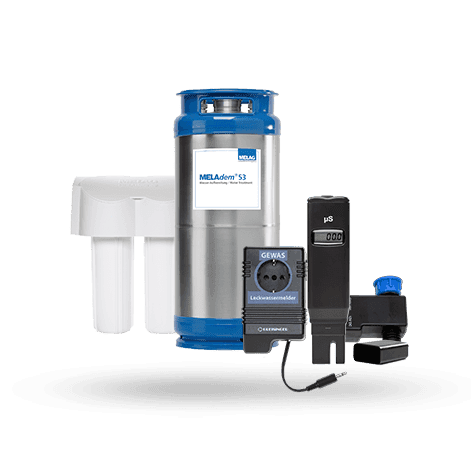
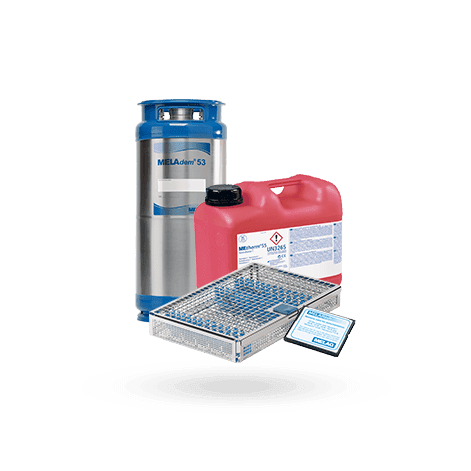
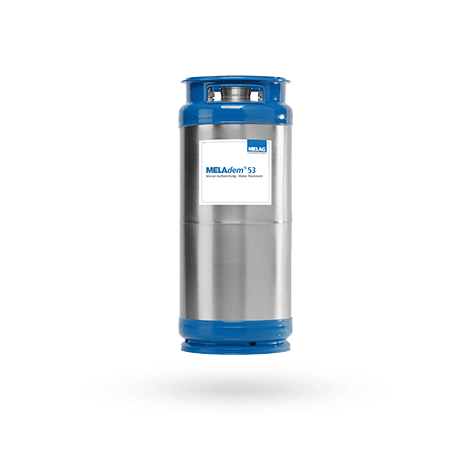
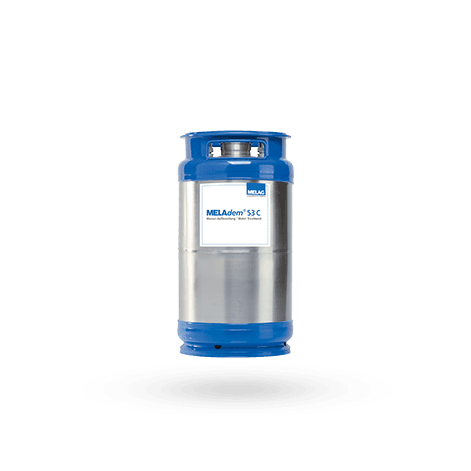
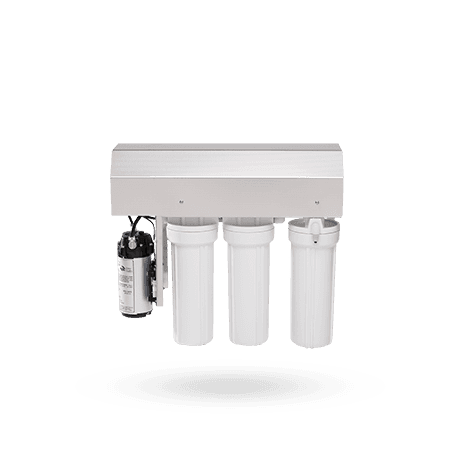
추가적인 MELAdem 53 수처리 장치는 상당한 공정 최적화를 보장합니다. MELAdem 53에서 생성된 탈염수는 세척기 소독기 MELAtherm 10 및 MELAtherm 10 Evolution에서 중요한 최종 헹굼에 사용됩니다. 탈염수를 사용한 최종 헹굼은 기구의 보호와 관리를 보장합니다. 이렇게 하면 미네랄이 강한 수돗물로 인한 얼룩 발생과 기구 표면의 변형을 방지할 수 있습니다. 대용량 이온 교환기 MELAdem 53은 진료실과 클리닉에서 세척 소독기와 최대 3개의 추가 기기에 양질의 탈염수를 공급합니다.
준중요 의료기기는 점막이나 병적으로 변화된 피부에만 접촉하는 기기입니다. 로버트 코흐 연구소(RKI)의 병원 위생 및 감염 예방 위원회(KRINKO)와 연방 의약품 및 의료기기 연구소(BfArM)의 권고에 따라 검증된 프로세스를 사용하여 열 소독제/RDG에서 세척 및 열 소독한 후 준임상용 기구를 직접 재사용할 수 있습니다.
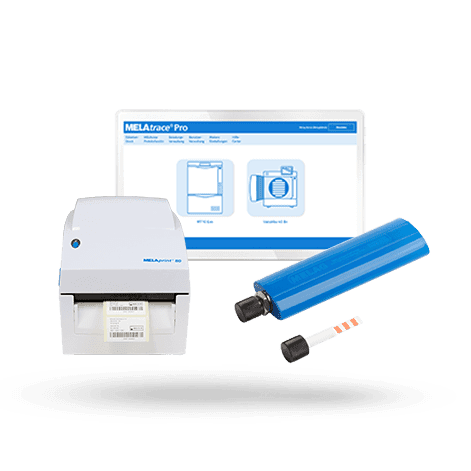
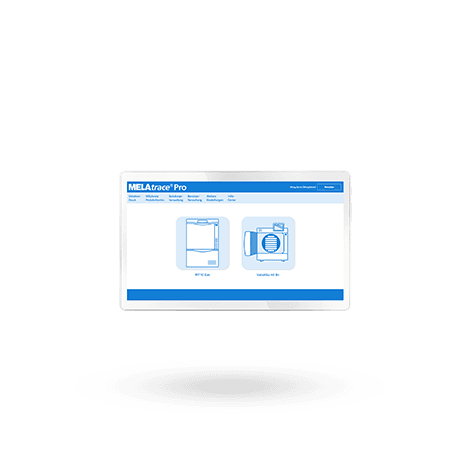
육안 및 기능 검사를 통해 준임계 기구를 확인하시기 바랍니다. 그 후, 수동으로 또는 릴리스 소프트웨어(예: MELAtrace)를 사용하여 적절한 양식에 따라 릴리스를 문서화하세요.
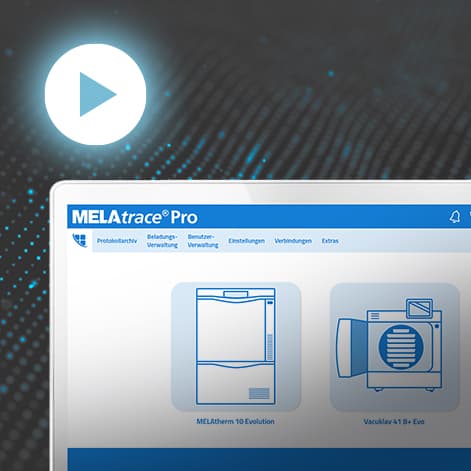
문서화 및 릴리스 소프트웨어 MELAtrace는 모든 요구 사항을 충족합니다: 직관적인 사용자 인터페이스로 많은 의료 및 치과 기관에서 매우 만족하고 있습니다! 이 소프트웨어는 추가 라이선스나 서명 비용 없이 진료소의 재처리실에서 사용되는 모든 MELAG 장치의 프로세스를 처리할 수 있습니다. 따라서 재처리 프로세스를 법적으로 준수하는 가장 빠르고 간단한 문서화 방법을 제공합니다.
숙련된 서비스 기술자가 수행하는 정기 유지보수 외에도 일상적인 점검을 통해 세탁기 소독기의 품질 보증에 기여할 수 있습니다.
세척 챔버의 굵은 체와 미세 체를 매일 점검하면 먼지 입자나 작은 부품으로부터 세탁기 소독기의 물 순환을 보호할 수 있습니다. 체는 흐르는 물에 브러시로 세척하여 잔여물을 제거해 주세요.
체 청소 외에도 도어 씰, 린스 암 및 기타 액세서리(예: 바구니 및 랙)를 육안으로 검사하는 것이 좋습니다. 열 소독기 전면의 눈에 보이는 오염물은 멜라데스 700과 같은 적절한 표면 소독제를 사용하여 제거할 수 있습니다.
헹굼 압력, 헹굼 암 회전 및 추가 공정 파라미터를 자동으로 모니터링하는 MELAtherm 10 및 MELatherm 10 Evolution은 재현 가능하고 적절한 세척 및 소독 절차를 가능하게 합니다.
진료실과 클리닉에서 중공형 기구의 오염 제거는 그 중요성이 점점 더 커지고 있습니다.
중공 기구의 성공적인 자동 오염 제거를 위해서는 루멘이 좁은 기구의 막힘 여부를 확인해야 합니다. 따라서 환자 치료 후에는 기구를 탈염수로 세척해 주세요. 충분히 재현 가능한 헹굼이 보장되는 세척기 소독기로 중공형 기구만 재처리하세요. 기구 제조업체의 사양을 준수하세요.
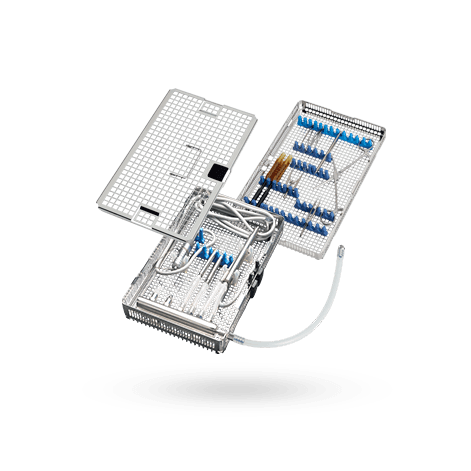
중공형 기구는 기본 바스켓의 인젝터 레일에 연결해야 합니다. MELAG은 다양한 의료 분야의 중공형 기구를 수용하기 위한 다양한 어댑터를 제공합니다.
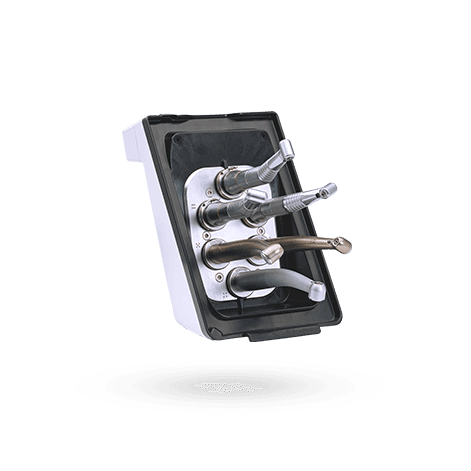
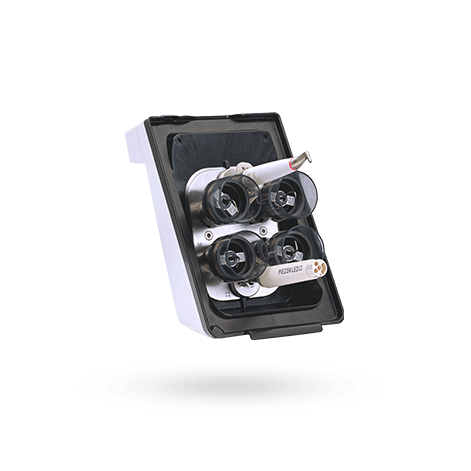
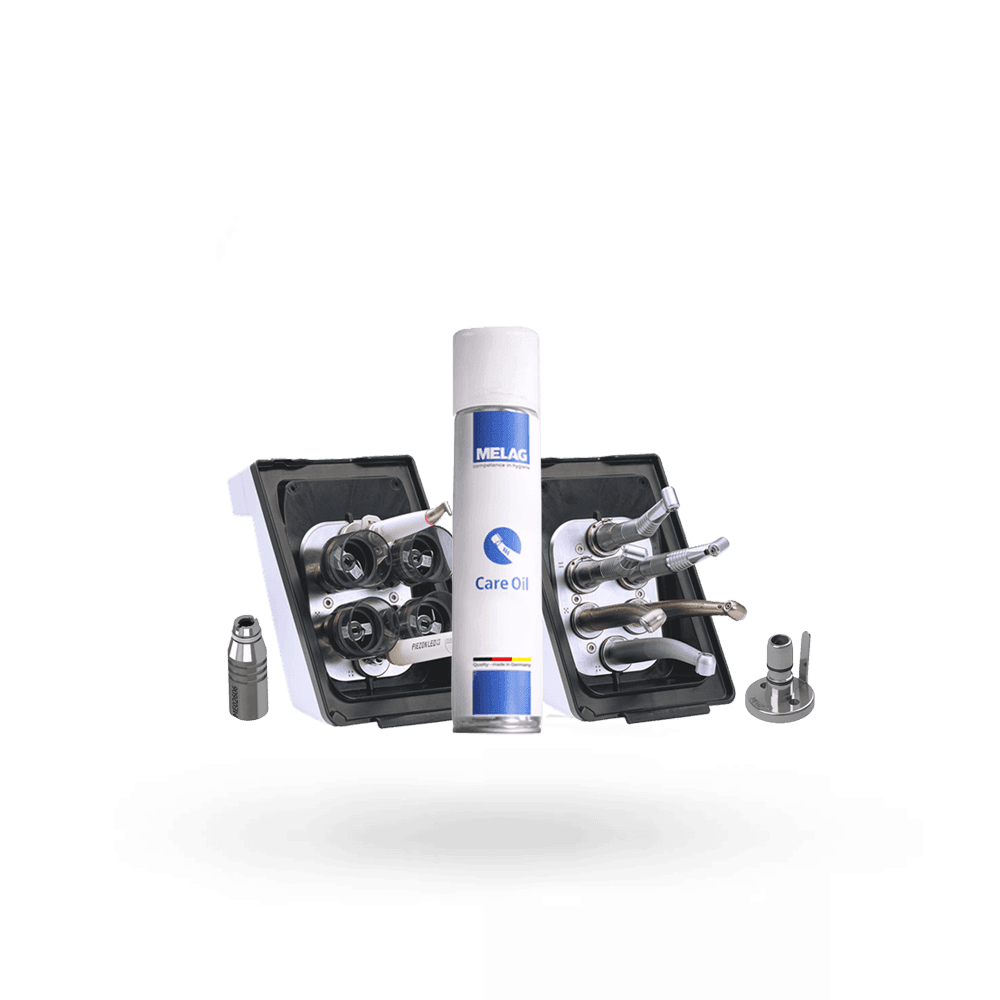
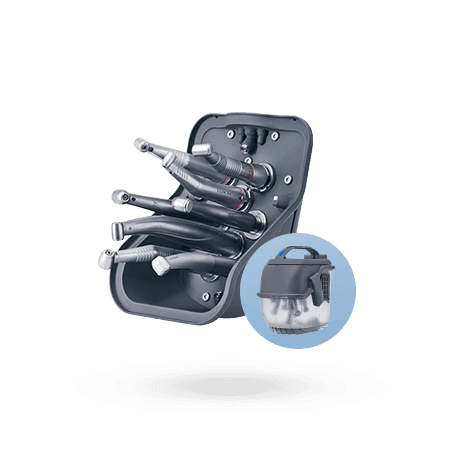
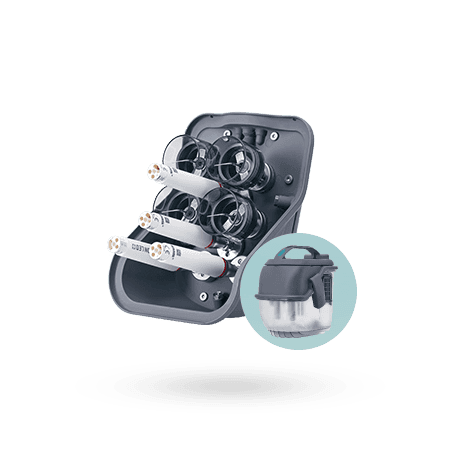
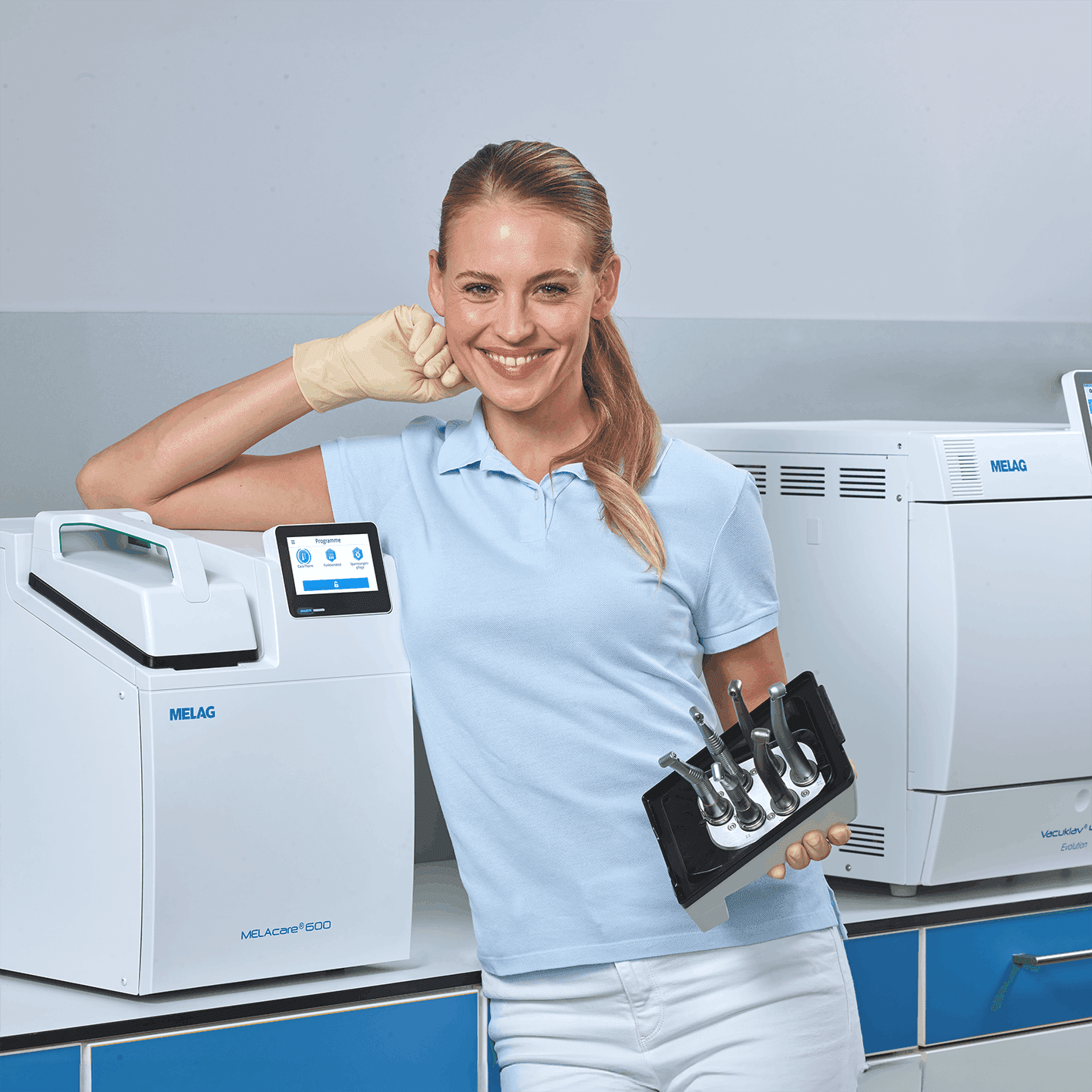
치과 진료실과 클리닉에서는 일반적으로 다양하고 복잡한 중공형 기구를 사용합니다. 초음파 스케일러 팁, 핸드피스 및 터빈을 조정하려면 MELAtherm 10 세척 소독기용 액세서리를 사용하십시오. 어댑터를 인젝터 바스켓 Flex 1과 함께 사용하면 초음파 스케일러 팁 6개의 오염을 제거할 때 최대의 안전성과 효율성을 보장합니다.
수술용 석션 캐뉼라는 인젝터 노즐을 사용하여 오염을 제거할 수 있습니다. 직경 11~16mm의 범용 석션 캐뉼라는 기구 바스켓에 똑바로 세운 상태로 놓을 수 있습니다. 인젝터 레일에서 이러한 기구를 조정할 필요는 없습니다.
다양한 의료 목적(예: 수술, 정형외과, 비뇨기과 등)을 위해 주로 표준화된 커넥터가 있는 기구가 사용되고 있습니다. "수" 및 "암" 루어락 어댑터를 사용하면 이러한 중공형 바디 기구를 인젝터 레일과 안전하게 연결할 수 있습니다. 내시경의 작업 채널과 같이 표준화되지 않은 연결은 린스 슬리브를 사용하여 조정할 수 있습니다.
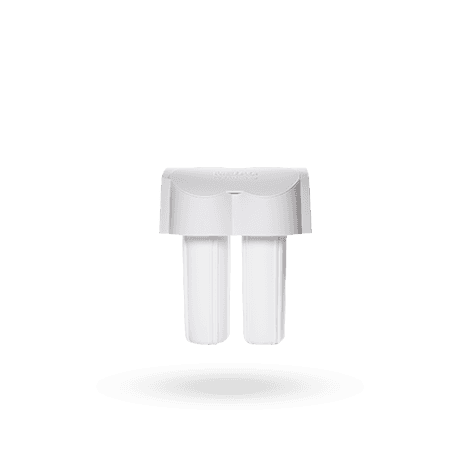
의료 전문 분야와 관계없이 내경이 0.8mm 미만인 중공형 기구는 미세한 정수 필터가 필요합니다. 이 필터는 기구가 손상되지 않도록 보호합니다. MELAG 시스템은 열 소독기의 여과를 위한 다양한 솔루션을 제공합니다: 요구 사항에 따라 세라믹 필터 디스크, 금속 필터 디스크 또는 중앙 필터를 사용하여 미세 여과를 수행할 수 있습니다.
새로운 MELAG Cleanfinity 필터는 중공형 기구의 안전한 세척 및 소독을 위한 가장 경제적이고 편리한 솔루션을 제공합니다. 인젝터 레일의 혁신적인 제어 표시기를 통해 매 사이클마다 필터 성능을 확인할 수 있습니다. 제어 핀이 돌출되지 않은 경우, 필터는 제공품에 포함된 브러시를 사용하여 흐르는 물로 세척해야 합니다. 클린피니티 필터는 청소 가능한 중앙 필터로 후속 비용이 발생하지 않습니다.
최상의 청소 결과를 얻으려면 인젝터 레일에서 사용하지 않는 연결부를 모두 닫아 주세요. 이렇게 하려면 배송 범위에 포함된 실리콘 클로저 캡을 사용하십시오.
자동 세척 및 소독을 위해 MELAtherm 10 및 MELatherm 10 Evolution과 함께 MEtherm 시리즈 프로세스 에이전트를 권장합니다. 멜라그 프로세스 에이전트는 특히 멜라썸 10 시리즈 세척기 소독기의 요구 사항을 충족하도록 개발 및 테스트되었습니다. MELAtherm 10 및 MELatherm 10 Evolution과 MEtherm 시리즈의 조합은 최소한의 소비를 보장하면서 최상의 세척 결과를 보장합니다.
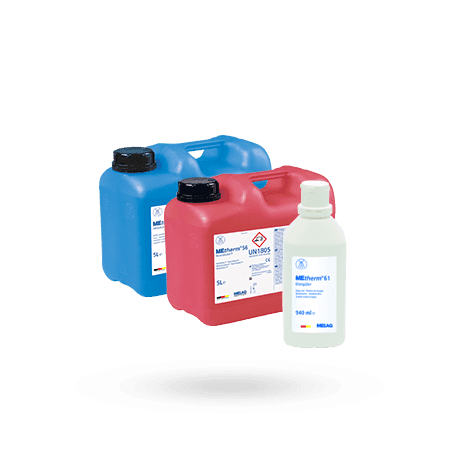
MEtherm 시리즈는 약알칼리성 세척제 MEtherm 51, 구연산 기반 중화제 MEtherm 55, 인산 기반 중화제 MEtherm 56 및 린스제 MEtherm 61로 구성됩니다. MEtherm 프로세스 에이전트는 최상의 세척 및 건조 결과를 얻을 수 있도록 최적으로 조정되었습니다. 프로세스 에이전트의 장점에 대해 자세히 알아보세요.
MEtherm 51은 MELAG 열 소독기를 사용한 자동 기기 오염 제거를 위한 고성능 약알칼리성 효소 세정제입니다. 특히 뛰어난 세척 성능과 기구와 세척 챔버의 피막을 최소화하는 방식으로 진료실이나 클리닉 환경에서 장기적인 가치 유지를 보장합니다.
구연산 기반 중화제 MEtherm 55는 MELAtherm 10 및 MELatherm 10 Evolution에서 알칼리성 세척 후 매우 부드럽게 중화시키는 데 적합합니다. 재료 친화적인 MEtherm 55는 특히 안과 및 안과 수술실과 클리닉에서 사용되는 치과용 핸드피스 및 기타 특수 기구에 사용됩니다. 구연산 기반 중화제는 기구와 열 소독기에 침전물이 쌓이는 것을 방지하는 동시에 세척 결과를 최적화합니다.
인산 기반 중화제 MEtherm 56은 산부인과, 이비인후과 또는 외과 진료소 및 클리닉에서 의료 기기의 오염 제거에 특히 효과적입니다. MEtherm 56은 석회 스케일과 같은 산성 침전물을 안정적으로 용해하고 기구와 세척 소독기에 필름이 쌓이는 것을 방지하는 데 효과적으로 작용합니다.
MEtherm 61은 MELAG 세척기 소독기를 사용한 자동 기구 오염 제거에 사용하는 액체 헹굼 보조제입니다. MEtherm 61을 사용하면 세척기 소독기에서 기구를 얼룩 없이 건조할 수 있습니다. MEtherm 61은 pH 중성이며 특히 재료 친화적입니다.
MELAG 공정 에이전트를 사용하면 기구의 장기적인 가치 유지를 보장하고 MELAtherm 10 및 MELatherm 10 evolution과 함께 기기 재처리 효율을 향상시킬 수 있습니다. 기기의 오염 제거를 위한 엔드레스하우저의 보완 솔루션을 통해 이익을 얻으세요! 자세한 내용은 MEtherm 프로세스 에이전트에서 확인할 수 있습니다.
There are clear, internationally recognised standards and guidelines for washer-disinfectors and washer-disinfectors that define the requirements for design, function, process control and validation.
The central standard is EN ISO 15883, which contains relevant specifications in several parts:
EN ISO 15883-1: General requirements for washer-disinfectors, basic safety requirements and test methods.
EN ISO 15883-2: Specific requirements for WDs for surgical instruments, anaesthesia equipment, etc.
EN ISO 15883-5: Test and reference manuals that describe practical test methods for checking performance.
These standards specify how a washer-disinfector must be designed, which process parameters must be achieved, how cleaning and disinfection are tested and which documentation obligations apply.
In addition, the RKI/BfArM recommendations for the reprocessing of medical devices apply in Germany. They describe basic hygiene requirements, requirements for validation, personnel qualification, process monitoring and risk assessment. These recommendations are de facto binding for operators of WDs, as they are recognised as the state of the art and are used as the basis for inspections and audits.
In addition, the manufacturer's specifications are always binding. They define permissible load patterns, suitable cleaning agents and programmes as well as maintenance and inspection specifications. Deviations from this can impair the effectiveness of the process and jeopardise the validity of the entire reprocessing process.
The A0 value is a key figure for thermal disinfection and describes the disinfection performance as a function of temperature and contact time. It is used to make different temperature/time combinations comparable and to ensure that a defined hygiene standard is achieved.
In mathematical terms, the A0 value indicates the "germ-killing effect" of a thermal disinfection process. The higher the temperature or the longer the exposure time, the higher the achievable A0 value. It is therefore an objective measure of how effective the thermal disinfection step in the washer-disinfector is.
In practice, washer-disinfector programmes typically achieve A0 values of ≥ 3,000, depending on the risk class of the medical devices to be reprocessed and the specifications of the standards or manufacturers. Some programmes even work with significantly higher values if there are special hygiene requirements.
Manual pre-cleaning is useful in many cases, but it does not replace automated, validated main cleaning in the washer-disinfector. The aim of pre-cleaning is to remove coarse impurities immediately after use so that blood, tissue or secretions do not dry and impair subsequent automated reprocessing.
This includes above all
Immediate removal of coarse dirt, e.g. by wiping or careful pre-soaking.
Placing in moist holding systems or pre-soaking solutions to prevent drying.
Optional use of an ultrasonic bath, especially for complex instruments or internal structures.
However, the actual, standardised and validated main cleaning and disinfection is performed by the washer-disinfector (WD). Only the washer-disinfector offers a reproducible, documentable process with defined parameters for cleaning, rinsing, thermal disinfection and drying.
For automated reprocessing in the washer-disinfector, a coordinated combination of cleaning and rinsing chemicals is used to ensure effective, gentle and reproducible reprocessing. Depending on the instrument material, degree of soiling and water quality, alkaline or neutral detergents are used: Alkaline cleaners are particularly suitable for removing stubborn organic residues such as blood or tissue, while neutral cleaners are mainly used for sensitive materials. This is followed by a neutralising agent, which reliably removes the alkaline residues and thus minimises the risk of corrosion. Finally, a rinse aid or drying aid reduces the surface tension of the water, improves the drying of the instruments and prevents residues or stains.
These chemicals are dosed fully automatically and reproducibly in the washer-disinfector - either conductivity-controlled, where the device precisely adjusts the required detergent concentration based on the measured conductivity, or via volume or time dosing, where pumps add defined quantities. In addition, washer-disinfectors monitor the batch parameters, fill levels and dosing quantities to ensure that every reprocessing process runs under constant conditions. In this way, the harmonised chemistry and precise dosing ensure that cleaning and disinfection is carried out in accordance with standards, is effective and can be validated.
Correct loading of the washer-disinfector is crucial for effective and validatable cleaning and disinfection, especially in the case of complex or internal structures such as hollow instruments. As a general rule, the washer-disinfector is always loaded in accordance with the intended trolleys, baskets and instrument holders, as these ensure optimal positioning and water flow. The instruments must be loaded in such a way that the spray arms can rotate freely and all water paths are unobstructed; blocked nozzles or overlapping instruments lead to insufficient cleaning performance.
Selective reprocessing is especially important for hollow instruments such as cannulae, lumens, contra-angles or hand instruments. They must be connected directly to the rinsing system of the washer-disinfector via adapters or special connection systems so that the interior is actively washed and rinsed. This is the only way for the cleaning and disinfection medium to reliably reach the critical internal surfaces. For turbines, handpieces and contra-angle handpieces, special instrument holders or drive systems are required to allow standardised internal cleaning and drying according to the specifications of the device and instrument manufacturer.
Open instruments must be opened, disassembled parts must be disassembled and placed in such a way that all surfaces are accessible. Sharp or sensitive instruments require protective stands to prevent damage. Sieves, cassettes or trays must also be used in such a way that water can drain easily and no stagnant areas are created.
Drying and corrosion protection are essential steps in automated reprocessing, as even the smallest traces of moisture can lead to staining or long-term material damage. Modern washer-disinfectors are equipped with an active hot air drying system that directs air at a defined temperature and volume flow through the rinsing chamber and - if hollow instruments are connected - also through their interiors. This reliably dries surfaces and lumens so that no residual moisture remains. Water quality also plays a decisive role: softened or demineralised water in the rinsing process prevents limescale residues, stains and corrosive deposits on instruments and surfaces.
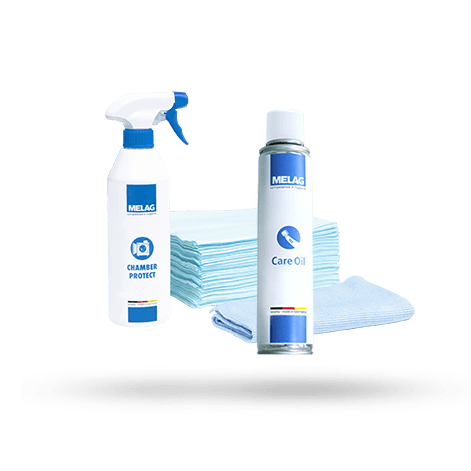
Specific care and lubrication is also required for straight and contra-angle handpieces, turbines and other rotating instruments, as the internal moving components could otherwise be damaged. Depending on the system, this maintenance is either carried out automatically in the washer-disinfector using integrated maintenance programmes or via a separate, validatable maintenance device that controls the amount of oil, exposure time and flow rate. The care programme effectively completes the corrosion protection and ensures the functionality of sensitive instruments.
For critical and semi-critical medical devices - i.e. instruments that come into contact with mucous membranes, skin or sterile areas of the body - automated reprocessing in the WD is the de facto standard.
These recommendations clearly state that automated cleaning and disinfection has priority over manual reprocessing, as it is the only way to ensure reproducible, verifiable and validatable processes. The use of a washer-disinfector is practically indispensable in order to comply with standards such as EN ISO 15883, particularly in the case of complex instruments, hollow bodies or a higher risk of infection.
Many authorities, hygiene specialists and QM systems interpret these requirements in such a way that the use of a washer-disinfector is mandatory in practice as soon as such instruments are used. Automated reprocessing is also often a prerequisite for inspections, audits or certifications.
Process documentation and traceability in the washer-disinfector is a central component of a standardised and safe reprocessing process. Modern devices automatically record all relevant batch parameters and store them in a digital log. This data typically includes the temperature curves, the A0 values, the chemical dosage, the programmes used, any error messages, the user identification and the release decision at the end of the cycle. This provides seamless proof that cleaning and disinfection has been carried out in compliance with standards and in a reproducible manner.
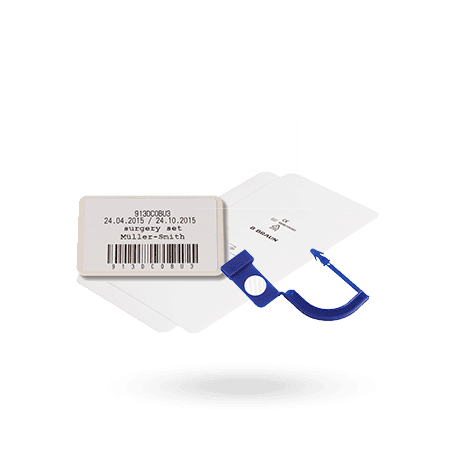
The logs can be transferred directly to a practice or hospital IT system, a reprocessing management system or special documentation software via interfaces such as USB, LAN or WLAN. This reduces manual documentation and increases data security. In addition, barcode or UDI systems are often used to uniquely identify individual instruments or sets and assign them to a specific batch. This creates a digital tracking system: from the used instrument to machine reprocessing, sterilisation and subsequent use on the patient.
Extended instrument tracking (set or individual instrument tracking) also makes it possible to map the entire life and usage history of an instrument - including maintenance cycles, repairs and usage documentation. The process documentation therefore not only fulfils the legal and normative requirements, but also creates maximum transparency, security and traceability for the entire reprocessing process.
The validation of a washer-disinfector comprises the IQ, OQ and PQ steps during commissioning: Firstly, the Installation Qualification (IQ) checks whether the device has been installed correctly and whether all technical requirements such as water quality, connections and dosing systems meet the specifications. The Operational Qualification (OQ) then confirms that the washer-disinfector works reliably within the defined parameters - for example with regard to temperature control, A0 values, chemical dosing and spray arm function. Finally, the Performance Qualification (PQ) checks under real loading conditions whether the cleaning and disinfection performance is actually effective and reproducible. This validation must be repeated regularly through requalification, typically annually or whenever technical changes, repairs or adjustments have been made to chemicals or load patterns.
In addition to validation, routine checks during daily operation are required to maintain process safety in the long term. These include protein and blood residue tests to ensure that organic residues have been completely removed. Equally important is the regular inspection of the spray arms, which must be free to move and free of deposits so that water and cleaning agents can reach all relevant surfaces. Sieve and filter units must also be cleaned or replaced regularly to ensure a constant rinsing performance. In addition, thermologger measurements are used to verify that the temperatures displayed in the appliance correspond to the actual temperatures and that thermal disinfection is carried out in accordance with standards.
Suitable water quality is essential for the safe and gentle operation of a washer-disinfector. Softened or demineralised (demineralised) water is generally fed into the system, depending on the specifications of the device and instrument manufacturer. Parameters such as conductivity, water hardness and chloride content are decisive, as they have a direct influence on cleaning performance, corrosion risks and staining.
Softened water is often used for pre-cleaning and main cleaning as it prevents limescale deposits in the appliance and on the instruments. Most manufacturers require deionised water for rinsing because it is virtually free of salts and minerals. This prevents stains, deposits and material damage - especially with sensitive, high-quality instruments or hollow instruments.
Adhering to the recommended water quality not only protects the instruments, but also the machine itself: Excessive hardness or high chloride levels can cause corrosion on stainless steel components, affect the spray arms or pipes and lead to expensive repairs in the long term.
Planning capacity, baskets and cycle times is crucial in order to integrate the washer-disinfector efficiently into the daily practice routine and avoid bottlenecks in instrument reprocessing. Firstly, the expected capacity utilisation over the entire working day should be considered - especially the peak times when many instruments are returned at the same time. The typical set size is crucial, i.e. how many instruments are required per treatment and how many sets need to be reprocessed in parallel. This determines how many baskets, adapters and trolleys are required in order to be able to work without waiting times.
The basket and loading configuration should be selected to match the range of instruments in the centre: Standard baskets for general instruments, special inserts for hollow instruments, handpieces or small parts and sufficient adapters for internal structures. If a practice is very busy or reprocesses many complex instruments, it may make sense to plan parallel devices or additional loading sets so that a washer-disinfector can be reloaded at the same time during reprocessing.
Depending on the device, programme and load, cycle times are typically between 30 and 60 minutes, plus the drying phase, which can take a further few minutes depending on the type of instrument and amount of water. With a full load or heavily soiled instruments, the programme duration is extended accordingly. For realistic capacity planning, you should therefore always calculate with the longest expected cycle time.
Not all materials are automatically suitable for washer-disinfectors - which is why the manufacturer's approval for each instrument is crucial. Many stainless steels, hard metals and numerous medical plastics are easily suitable for automated cleaning and thermal disinfection and are routinely reprocessed in the washer-disinfector. They withstand the typical temperatures, chemicals and flow conditions of a validated washer-disinfector process well.
Other materials, on the other hand, are only suitable to a limited extent or not at all. These include aluminium in particular, especially anodised or softer alloys, as these can corrode, discolour or lose their surface due to alkaline cleaning agents or high temperatures. Coated surfaces - such as non-stick coatings, black or coloured oxide layers or special paintwork - are also sensitive to chemicals and can become detached or damaged if they are not expressly approved for the washer-disinfector.
There are also temperature-sensitive components such as certain plastics, elastomers, adhesive bonds, optical elements or electrical or mechanical components of handpieces. These may only be machine-cleaned if the manufacturer expressly permits this and provides suitable holders or programmes.
A washer-disinfector requires regular, documented maintenance in order to work safely and in compliance with standards in the long term. One of the most important routine tasks is the cleaning of strainers and filters, as these collect dirt particles, biofilms and residues during operation. Clogged filters impair the water distribution and therefore the cleaning performance, which is why their maintenance is crucial. The chemical hoses and dosing lines should also be checked regularly for leaks, brittleness or deposits so that cleaning and neutralising agents can be supplied reliably and in the correct concentration.
The seals in the washer-disinfector - for example on the door, spray arms or pumps - are also subject to natural wear. Cracks or deformations can lead to leaks, pressure loss or faulty rinsing processes; it is therefore important to replace them in good time. The conductivity sensors and other measuring and temperature sensors must also be calibrated at regular intervals to ensure that chemical dosing, temperature control and process monitoring remain precise and validatable.
In addition to these ongoing measures, annual maintenance by the manufacturer or an authorised service technician is mandatory. This involves checking mechanical, electrical and hydraulic systems, replacing wearing parts, testing dosing units and assessing the function and safety of the entire appliance. All maintenance, repairs and calibrations must be fully documented as they form part of the quality and validation certificates.
An ultrasonic bath and a washer-disinfector fulfil different tasks in instrument reprocessing - and can complement but not replace each other.
An ultrasonic bath is primarily used for pre-cleaning, especially for structures that are difficult to access, joints, grooves or fine surfaces. Cavitation dissolves adhering dirt very effectively, but is no substitute for a validated cleaning and disinfection process. Ultrasonic baths offer neither thermal disinfection nor complete, reproducible process monitoring. They are also heavily dependent on loading, water changes, chemicals and run times, which limits process reliability.
A washer-disinfector, on the other hand, offers a fully automated, validatable and documentable process that performs cleaning, rinsing, thermal disinfection and drying in accordance with standards. It works with defined parameters, programmed A0 values, controlled chemical dosing and digital batch logging. This enables a washer-disinfector to achieve the consistent, verifiable reprocessing quality required by standards (EN ISO 15883) and regulatory authorities.

이 동영상을 재생하려면 YouTube의 쿠키 및 기타 외부 서비스를 허용해 주세요.