Instrument Processing in a Dental Clinic: Safety Begins After Treatment Is Complete
Whether it’s an examination, preventive care, a filling, or surgery: dental clinics use a wide variety of reusable instruments every day. After treatment, these instruments must be thoroughly sterilized before they can be reused. Therefore, instrument sterilization is a key element of the hygiene system in a modern dental clinic. It protects both patients and clinic staff and makes a significant contribution to ensuring the safety and efficiency of work processes.
Why is instrument reprocessing so important?
During dental treatment, instruments may come into contact with saliva, blood, tissues, and microorganisms. If such medical devices are subsequently reused, potential sources of infection must be reliably eliminated. The Robert Koch Institute notes that contaminated medical devices can be a source of infection and must therefore undergo appropriate reprocessing before reuse.
However, reprocessing is much more than simply cleaning an instrument. It is a structured process, the individual steps of which must be coordinated with one another. The goal is to process the medical device in such a way that it can subsequently be used safely for its intended purpose.
Risk Assessment as the Basis for Processing
Not every instrument has the same requirements for the reprocessing process. Therefore, a risk assessment and classification of medical devices are conducted first. In general, instruments are categorized, in particular, as non-critical, semi-critical, and critical medical devices. A decisive factor is, for example, whether the instrument comes into contact only with intact skin, whether it comes into contact with mucous membranes, or whether it is used in invasive procedures. The KRINKO-BfArM recommendation also identifies various subgroups with different sterilization requirements.
For dental practices, this means that the sterilization process must be tailored to the specific instrument, its design, its intended use, and the manufacturer’s instructions.
A Typical Sterilization Process in a Dental Practice
The professional sterilization process begins immediately after the instrument is used. Contaminated and clean areas must be appropriately separated from one another—both organizationally and spatially—to prevent recontamination of instruments that have already been sterilized.
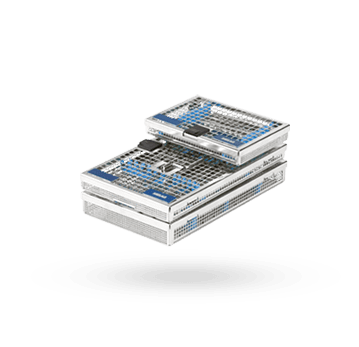
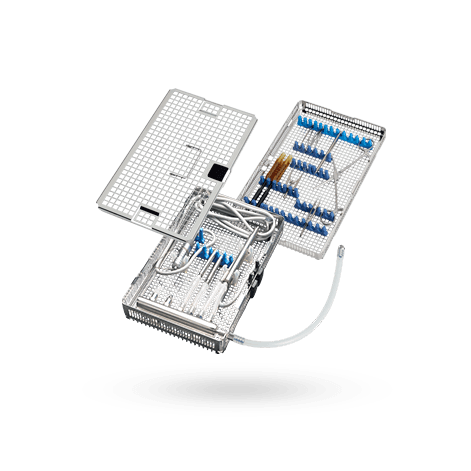
In the first step, used instruments are securely collected and transported for sterilization. This is followed by cleaning and disinfection. Depending on the medical device and the established procedure, this can be performed using equipment or, under certain conditions, manually.
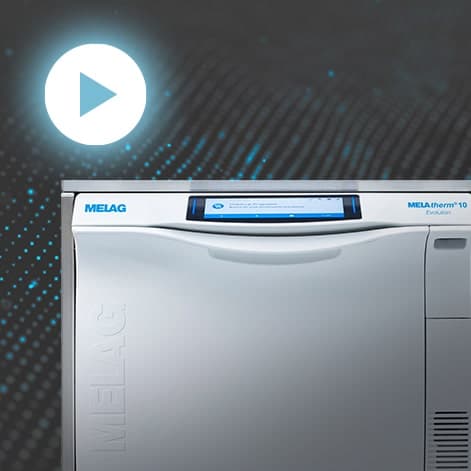
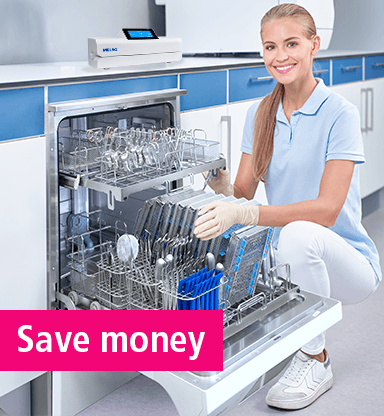
Automated methods are particularly advantageous when processing instruments with higher requirements, as they allow process parameters to be consistently applied and documented. For example, the RKI (German Institute for Infectious Diseases) generally considers automated cleaning and disinfection to be the method of choice for medical devices classified as “Critical B.”
After cleaning and disinfection, the instruments undergo inspection. This involves more than just visual cleanliness. Functionality, integrity, and, if necessary, the maintenance of moving parts must also be taken into account. Damaged or inadequately cleaned instruments cannot simply be sent for further processing.
Packaging and Sterilization
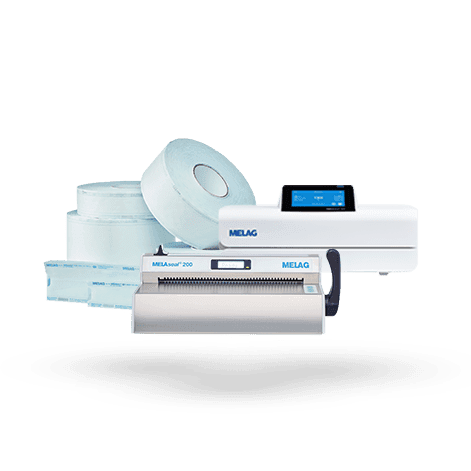
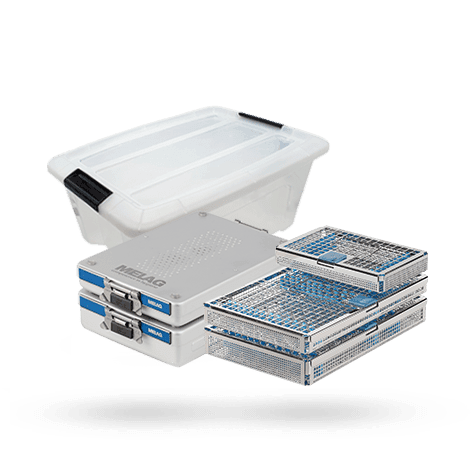
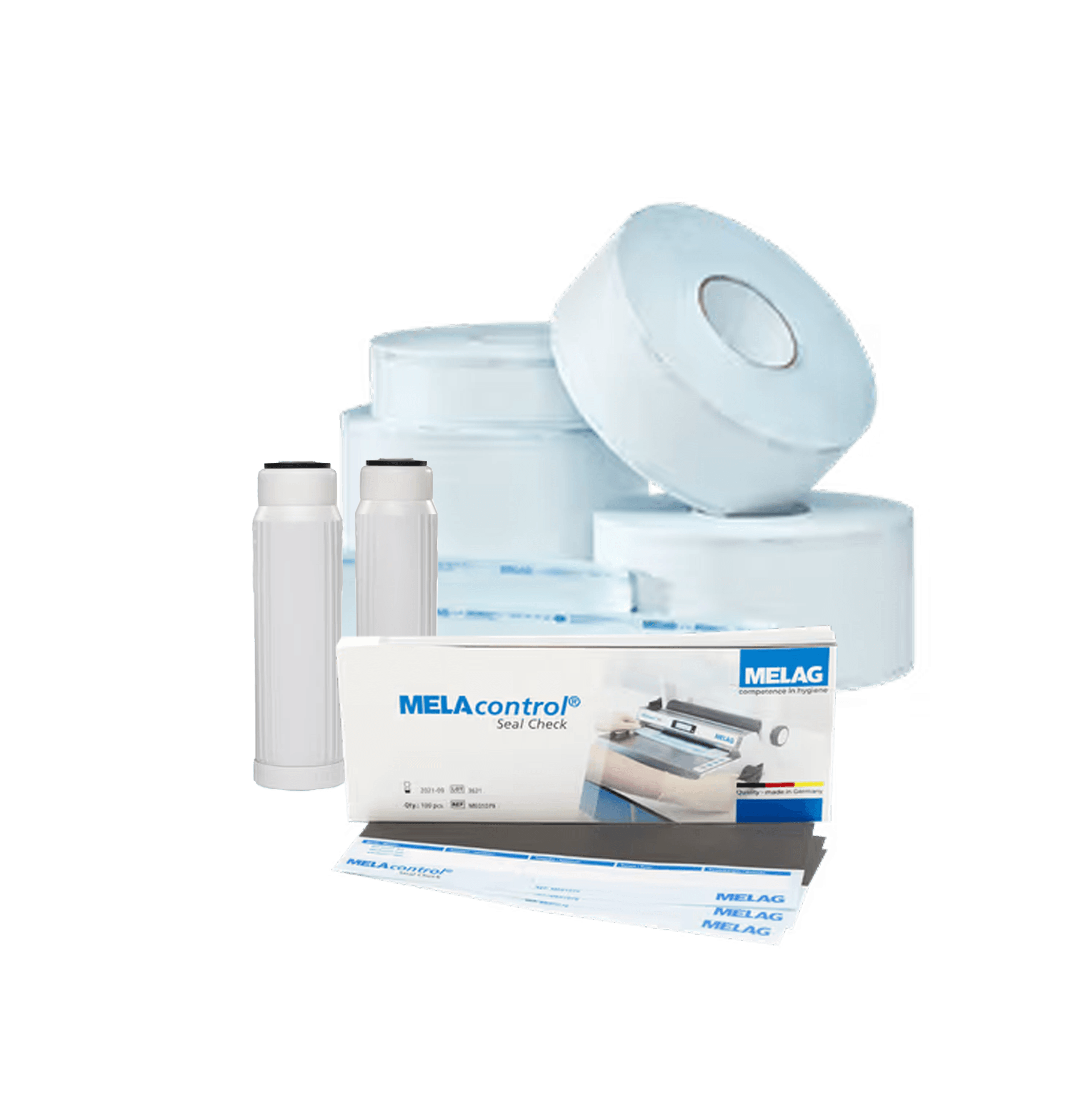
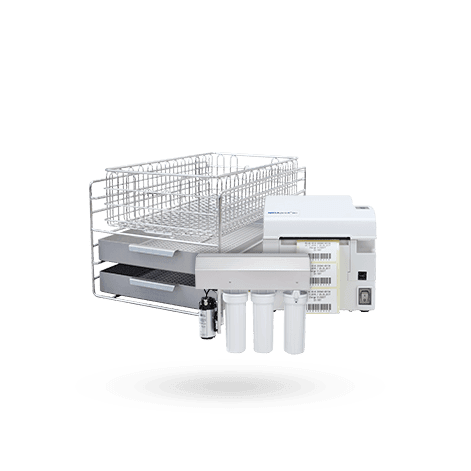
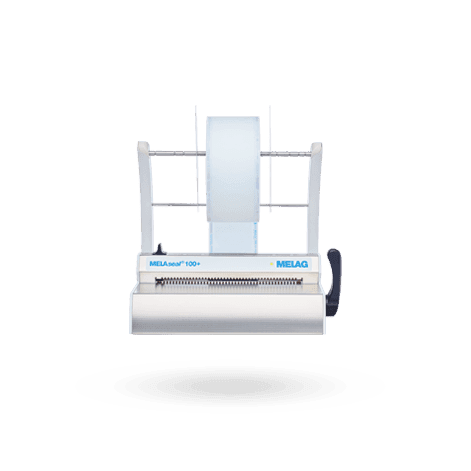
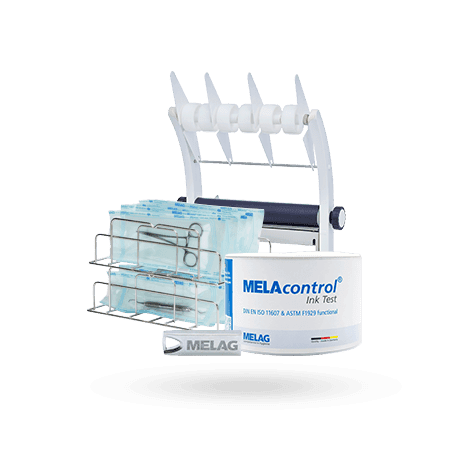
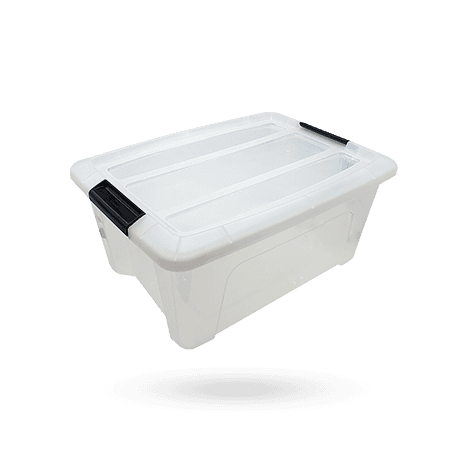
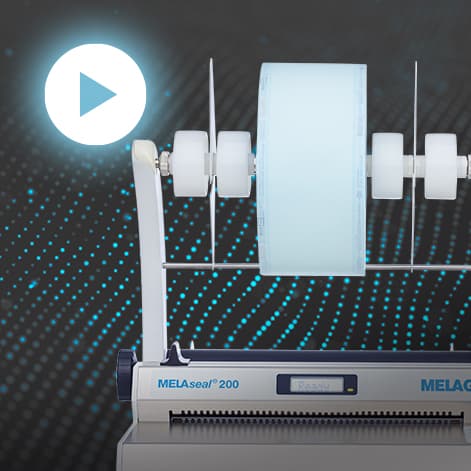
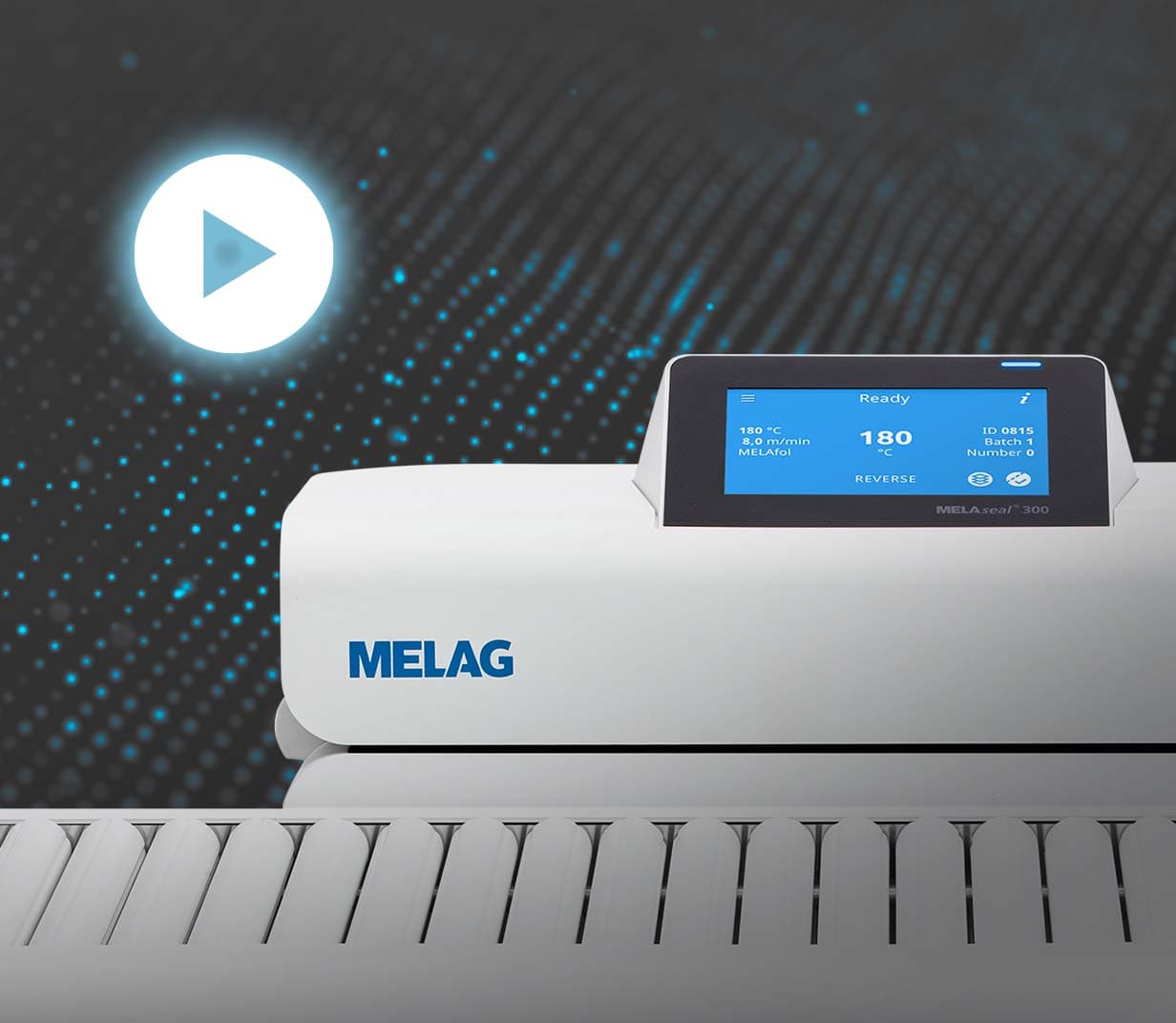
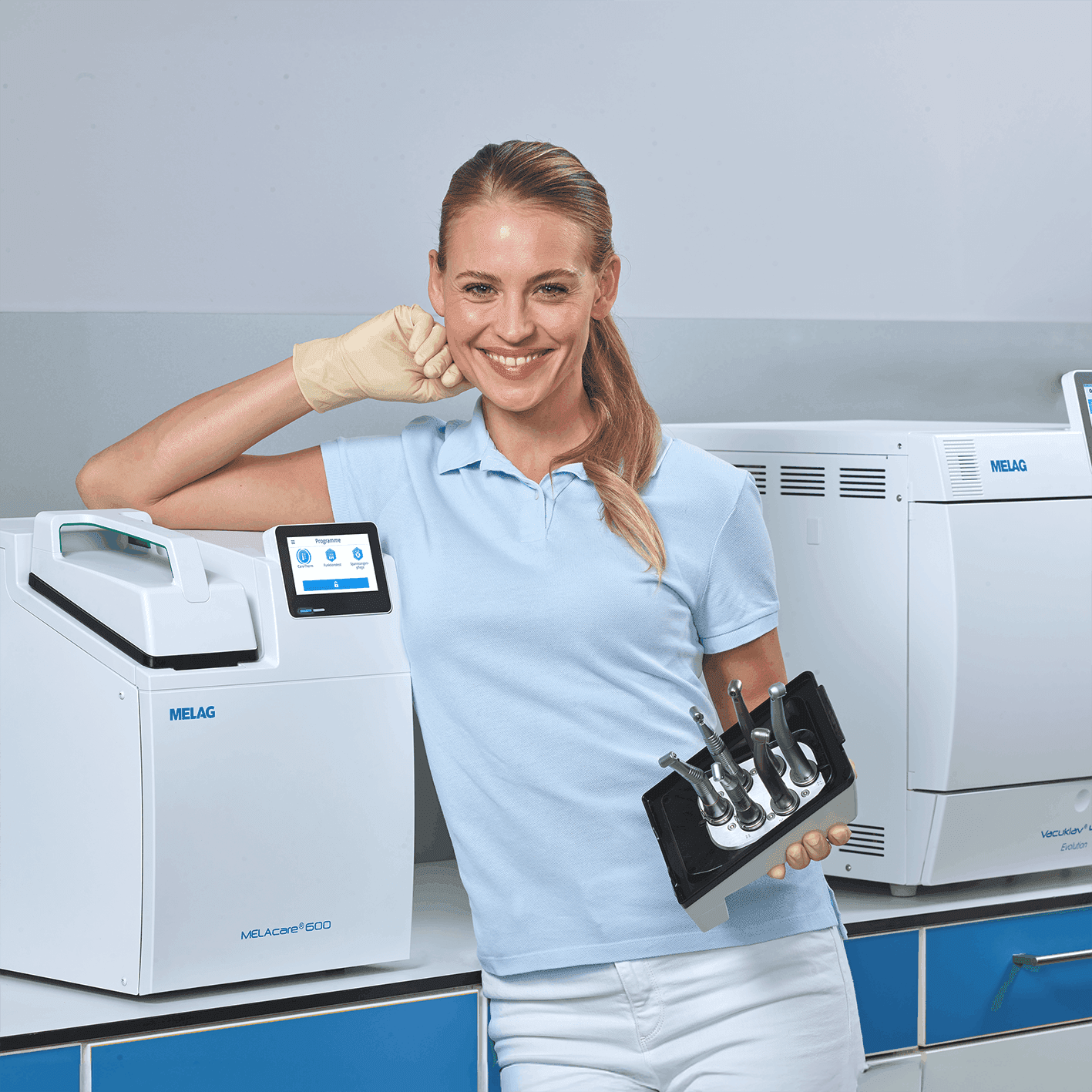
Medical devices that must be used in a sterile state are prepared for sterilization after cleaning, disinfection, inspection, and maintenance. This typically involves appropriate packaging that protects the instrument during sterilization and subsequently maintains sterility until use.
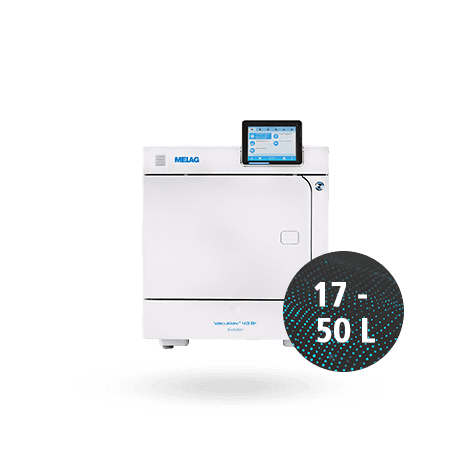
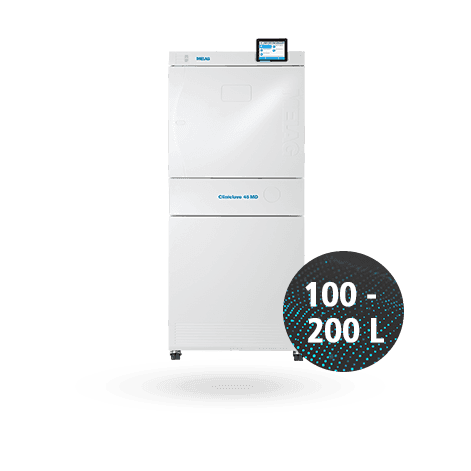
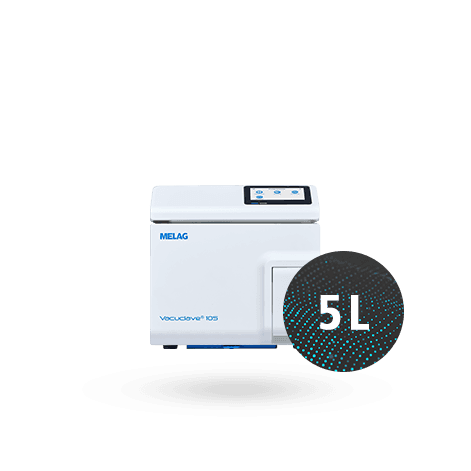
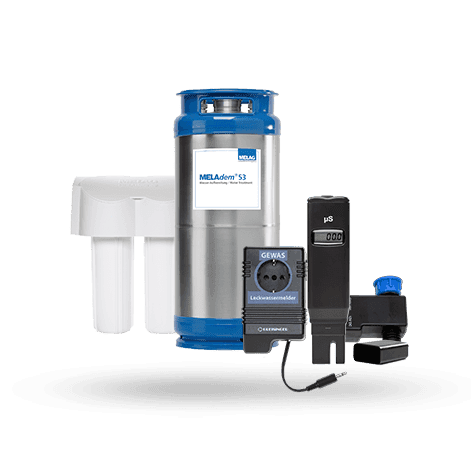
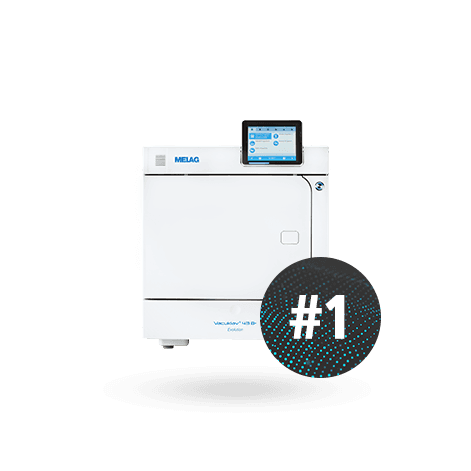
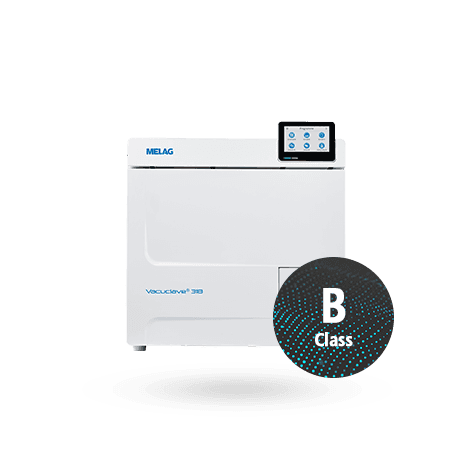
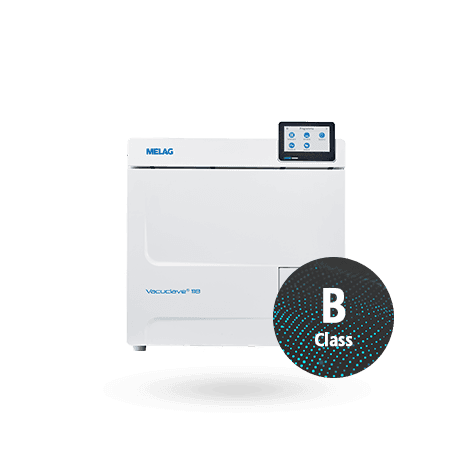
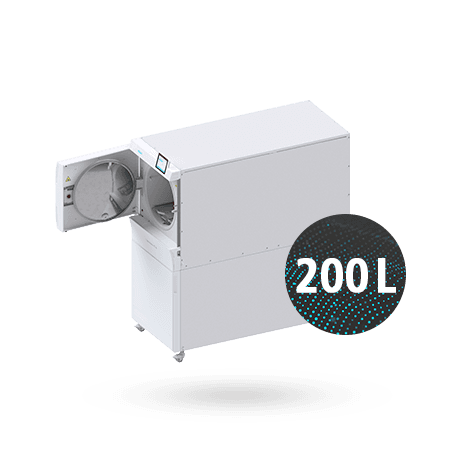
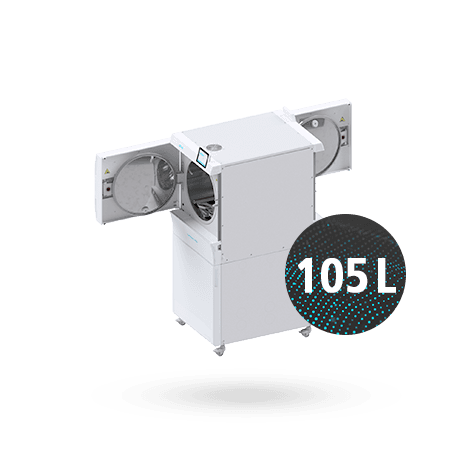
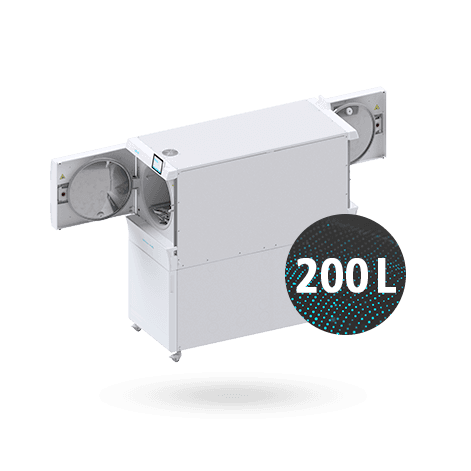
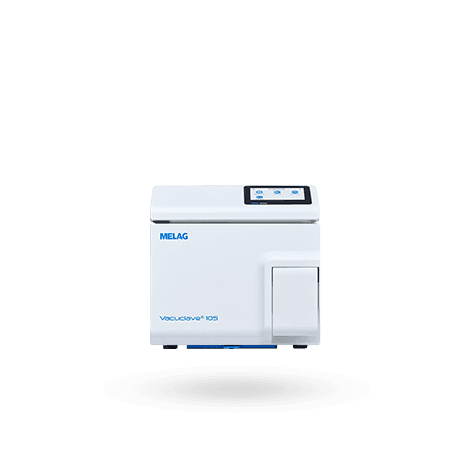
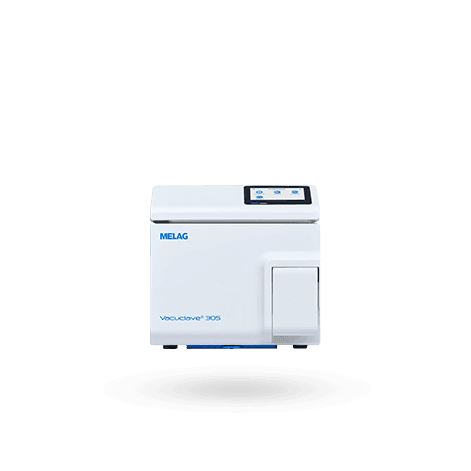
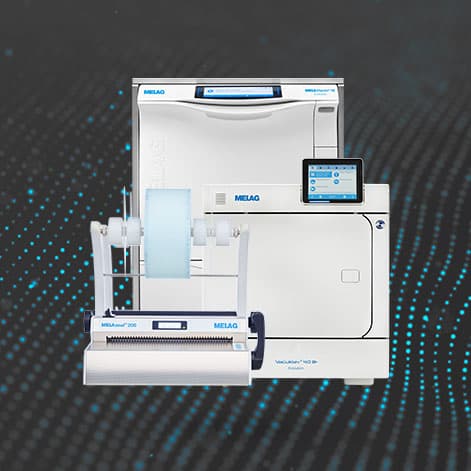
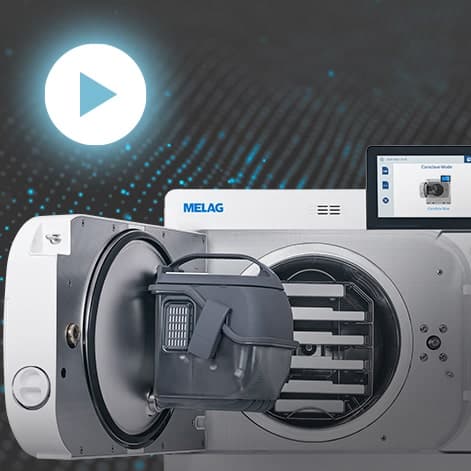
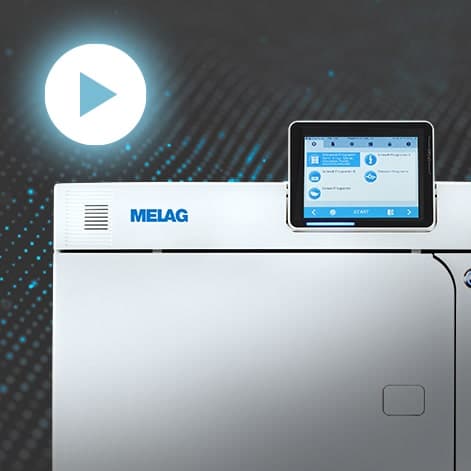
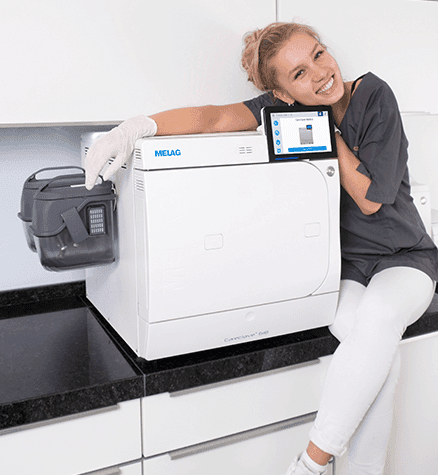
Sterilization is usually performed in a special steam sterilizer or autoclave. However, it is not only the device itself that matters; the entire process as a whole is of decisive importance.
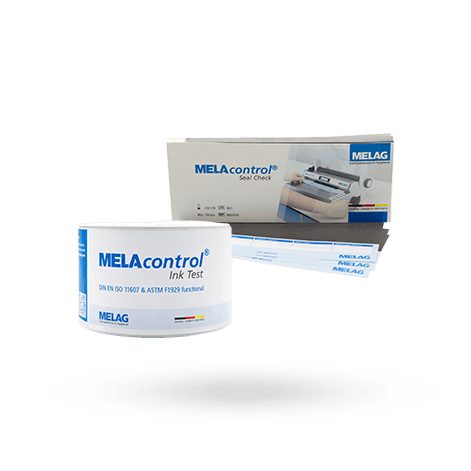
According to § 8 of the Regulation on the Use of Medical Devices, medical devices that are intended for use under conditions of low microbiological contamination or in a sterile state must be processed in accordance with the manufacturer’s instructions using appropriate, validated methods. The success of the procedure must be guaranteed and traceable.
Documentation Ensures Safety
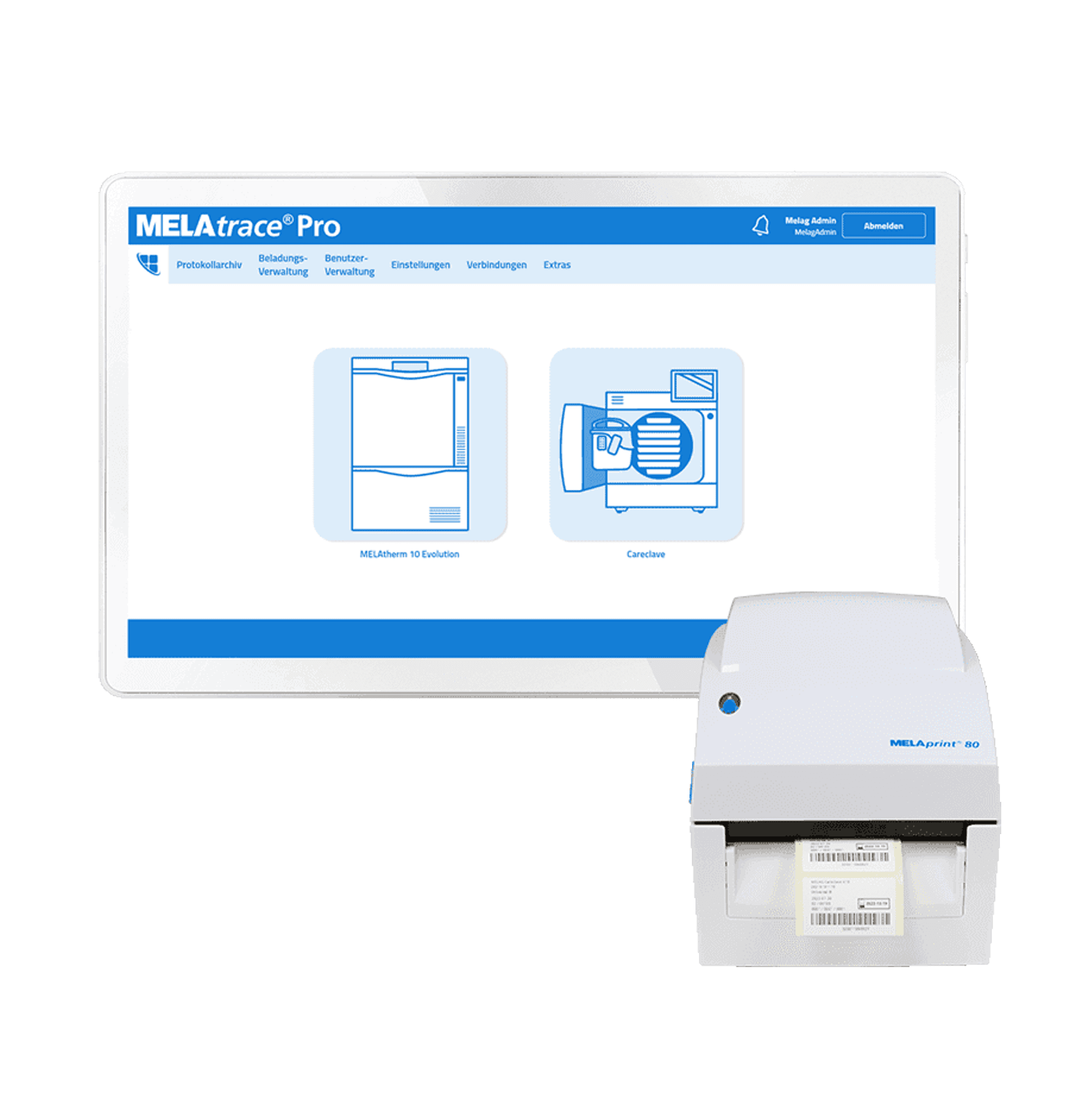
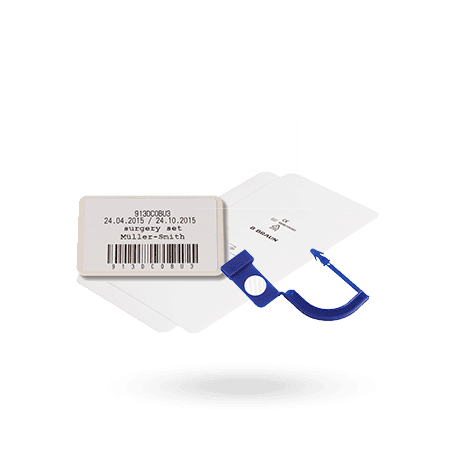
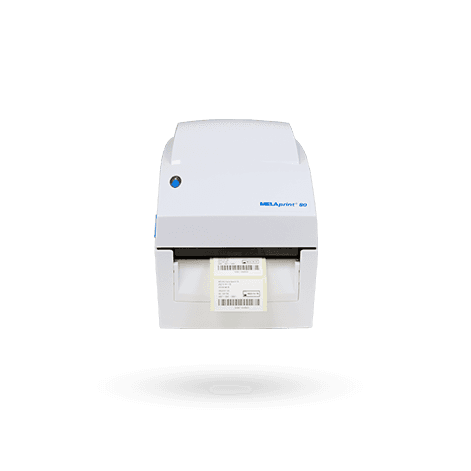
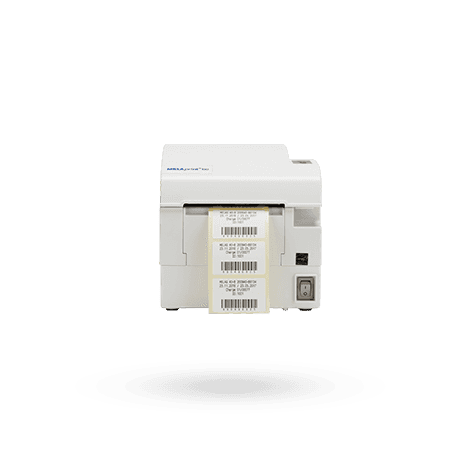
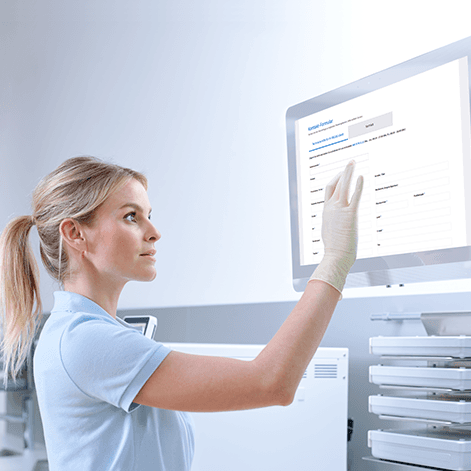
Therefore, professional instrument reprocessing also includes transparent documentation. Process data and corresponding checks allow the healthcare facility to verify that the established procedures were carried out properly.
At the end of the reprocessing process, a final approval is conducted. Only after the established requirements have been met can the instruments be prepared for reuse and stored with appropriate protection.
At the same time, documentation should not be viewed solely as a bureaucratic obligation. It contributes to quality management, facilitates the reproducibility of work processes, and ensures transparency within the clinic’s team.
Qualified Staff as a Decisive Factor
Even state-of-the-art equipment can only contribute to a safe sterilization process. Clinic staff continue to play a vital role. The Medical Device Operator Regulation sets forth requirements for the qualifications of personnel responsible for sterilization. In addition, the validation and performance evaluation of sterilization processes must be carried out by appropriately qualified specialists.
Therefore, regular training, clear work instructions, and well-defined responsibilities help prevent errors and ensure a consistently high level of hygiene.
Instrument Processing as Part of a Quality Management System
Well-organized instrument reprocessing combines patient safety, occupational safety, and efficient workflows within the clinic. Standardized processes, appropriate equipment, validated methods, and thorough documentation ensure that clinic staff can work reliably even during periods of high workload.
For dental clinics, the joint recommendation by KRINKO and BfArM on hygiene requirements for the reprocessing of medical devices remains the primary professional guideline. The RKI explicitly states that the requirements described therein apply to instrument reprocessing in the dental field.
Thus, it becomes clear: although instrument reprocessing typically takes place outside the treatment room, it is an integral part of any safe dental treatment. Those who carefully plan, standardize, and regularly monitor reprocessing procedures lay the foundation for hygiene, quality, and trust in a dental practice.