The new MELAtherm 20 in XXL: Discover now >

|
    • Unbenannt-1Best Sellers
    • Autoclave Tile
      • premium-klassePremium Class
      • Prime LinePrime Line (Class B)
      • Pro Line Product picturePro Line (Class B)
      • MicrosoftTeams-image (1196)-minPro Line (Class S)
      • 150 2Vacuclave 105 / 305
      • Vacuclave 550 Menu ElementVacuclave 550
      • Grossautoklaven-SystemloesungCliniclave 45 Series
      • 24-BL-StoererVacuklav 24 BL+
      • MELAtronic ProduktfotoMELAtronic Series
      • Zubehör Careclave ProduktfotoAccessories & components for autoclaves
    • Grossautoklaven-Systemloesung
      • Cliniclave 45 Produktfoto für Kaegorie MenuCliniclave 45
      • Cliniclave 45 M ProduktfotoCliniclave 45 M
      • Cliniclave 45 D ProduktfotoCliniclave 45 D
      • Cliniclave 45 MD ProduktfotoCliniclave 45 MD
      • Vacuclave 550 Menu ElementVacuclave 550
      • Großautoklaven Zubehör ProduktfotoAccessories & components for large autoclaves
    • 150 2
      • 150-ohne 1Vacuclave 105
      • 350-ohne 1Vacuclave 305
      • MELAquick ProduktfotoMELAquick Series
      • MELAtronic ProduktfotoMELAtronic Series
    • mt20-gross
      • mt20-grossMELAtherm 20
      • MT10EVO_Produkt_geschlossenMELAtherm 10 Evolution
      • Körbe und Adapter ProduktfotoLoading patterns
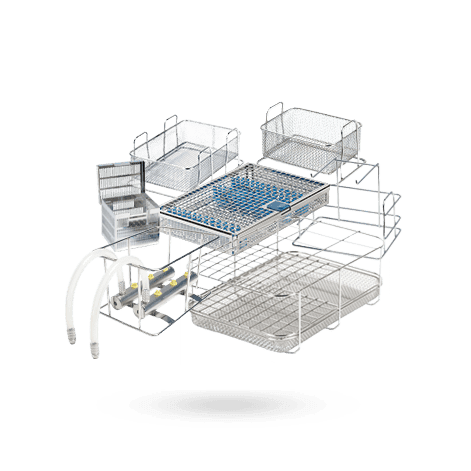
      • Collage-Korb 3-minBaskets & Adapters
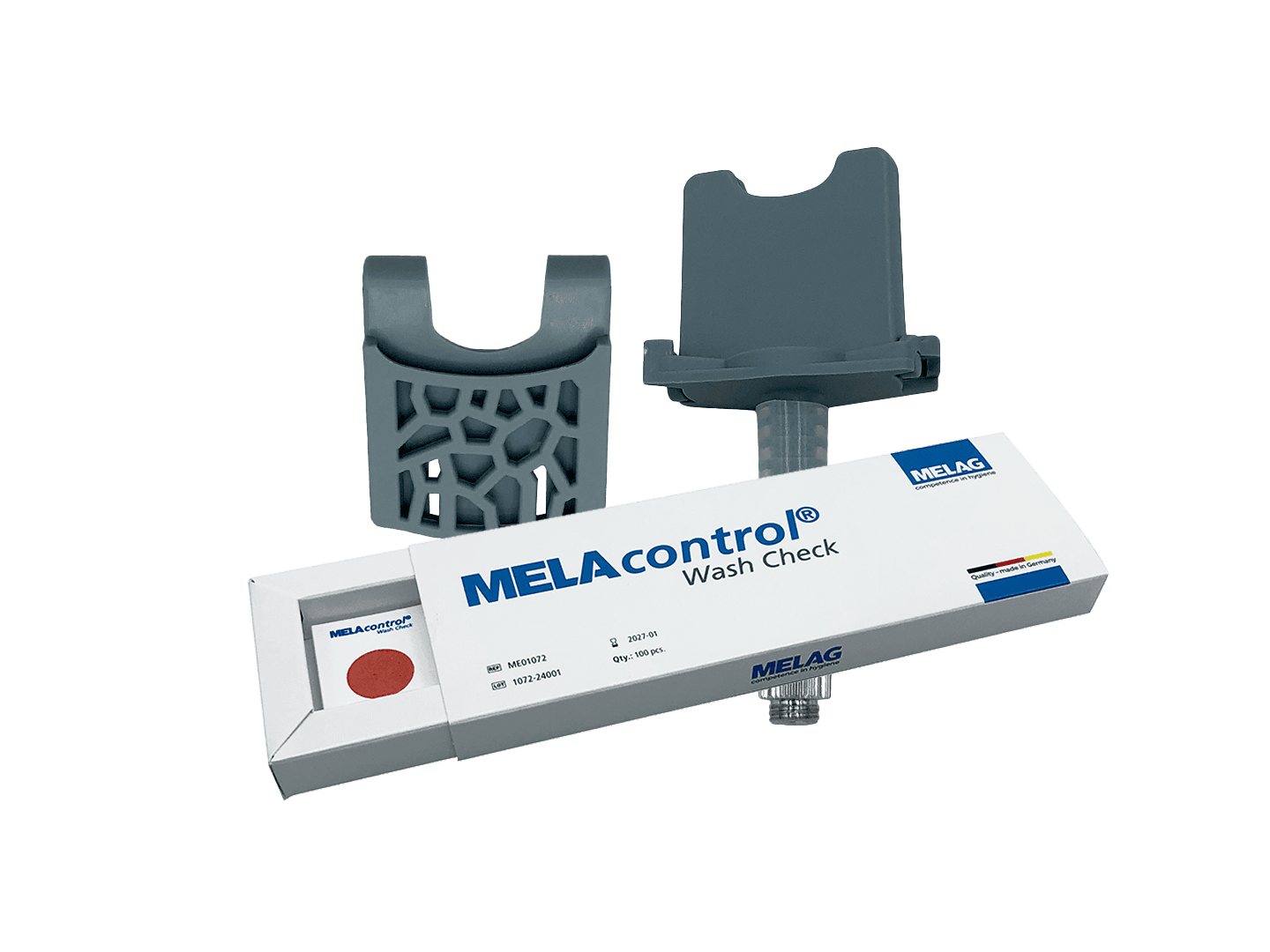
      • teaser-washcheckMELAcontrol Wash Check
      • Regenerating SaltRegenerating Salt
      • MELAtherm Zubehör MenuAccessories & components for thermal disinfectors
    • Careclave_Produkt_offen für Menü
      • Careclave_Produkt_offen für MenüCareclave
      • Menu Foto Carebox BlueCarebox Blue
      • Carebox Green Menu BildCarebox Green
      • Cooling Box ProduktfotoCooling Box
      • Care Oil ProduktfotoCare Oil
      • Zubehör Careclave ProduktfotoAccessories & components for Careclave
    • MicrosoftTeams-image (1170)-min
      • MicrosoftTeams-image (1420)-min(1)MELAseal 300
      • MELAseal 200 Menu FotoMELAseal 200
      • MELAseal 100 Bild MenuMELAseal 100+
      • Ink test seal check 1Routine Testing
      • Siegelnahtfestigkeit MaschineSeal Seam Stability Test
      • Zubehör MELAseal MenuAccessories & components for sealing devices
    • MicrosoftTeams-image (1169)-min
      • Trays neuMELAstore Trays
      • OTS MenüMELAstore Tray Ophthalmology
      • MELAstoreMELAstore Boxes
      • SterilisierbehälterSterilization Containers
      • me01100 1MELAstore transport box
      • Zubehör PackagingAccessories & components for sterile goods storage

    • documentation
      • MELAtrace-Pro Menu IconMELAtrace
      • MELAverse Produkt KachelMELAverse
      • MELAprint 80MELAprint 80
      • MELAprint 60 ProduktfotoMELAprint 60
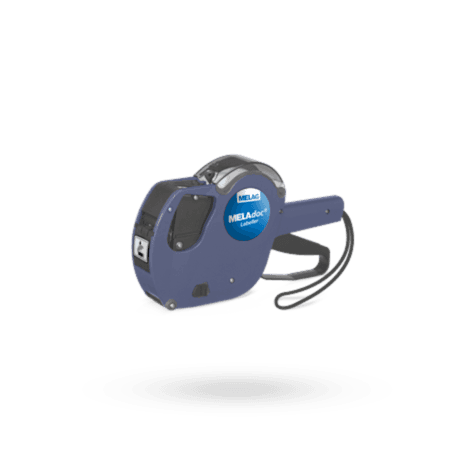
      • MELAdoc Titelbild-blau MELAdoc
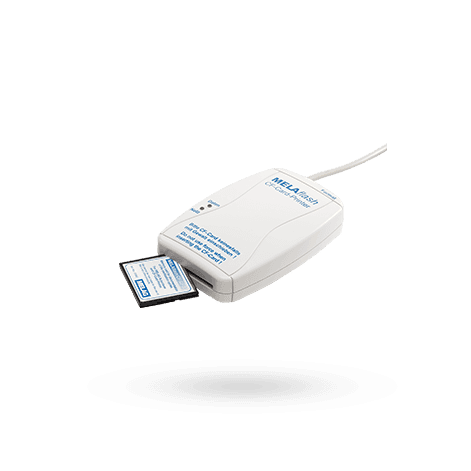
      • MELAflash ProduktfotoMELAflash
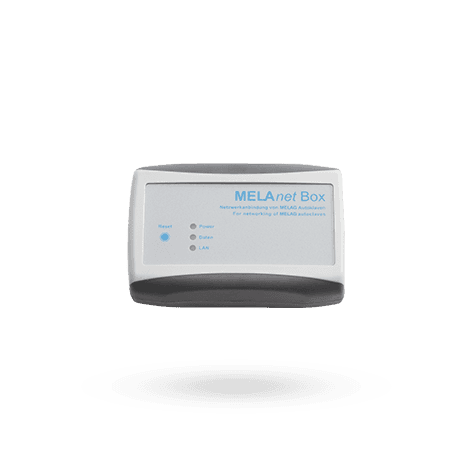
      • MELAnetBox Menu BildMELAnet Box
      • Zubehör DokuAccessories & components for documentation
    • MELAverse Produkt KachelMELAverse
    • MicrosoftTeams-image (1171)
      • MicrosoftTeams-image (1052)Care Oil Spray
      • MicrosoftTeams-image (1053)Chamber Protect
    • MicrosoftTeams-image (1172)-min
      • MELAdem 40 ProduktfotoMELAdem 40
      • MELAdem 47 ProduktfotoMELAdem 47
      • MELAdem 53 Menu FotoMELAdem 53
      • MELAdem 53 CMELAdem 53 C
      • MELAdem 56 ProduktfotoMELAdem 56
      • MELAjet ProduktfotoMELAjet
      • MELAtest 60 ProduktfotoMELAtest 60
      • Zubehör WasserAccessories & components for water treatment
    • Ink test seal check 1
      • teaser-washcheckMELAcontrol Wash Check
      • MELAcontrol Seal Check Routine Prüfung MenuMELAcontrol Seal Check
      • Siegelnahtfestigkeit MaschineSeal Seam Stability Test
      • Menu ink TestMELAcontrol Ink Test
    • melacare pouch sealcheck resinConsumables
    • Downloadcenter Tile ImageDownloadcenter
    • Service-troubleshootingTroubleshooting
    • Video Tutorials Autoclave
      • Careclave Tutorial MenuCareclave Tutorials
      • Autoklaven Tutorial Autoclaves Tutorials
      • Tutorial Thermodesinfektor MenuWasher-Disinfector Tutorials
      • Siegelgeräte Menu TutorialMELAseal 200 Tutorials
      • MS300 BalkenteaserMELAseal 300 Tutorials
      • MELAtrace TutorialMELAtrace Tutorials
    • Gerätertegistrierung Menu BildDevice Registration
    • Techniker-schulung Menü BildTechnical Training
    • KonfiguratorConfigurator
    • save money Promotions
    • Entdecken-referenzSuccess Stories
    • Hygiene Hub TileInspiration & Tips
    • Tutorials TileNews
    • MELAG FamilieFamily Business & Jobs
    • Beratung-uebersicht
      • Beratung-uebersichtBook a consultation: On-site, online or in a showroom
      • entdecken-ansprechpartnerYour sales contacts
      • Messen & Kongresse Bild MenuFairs & Congresses
      • beratung-kontaktformularContact form
      • Gebauer GFCompany & Apprenticeship
    • entdecken-ansprechpartner
      • Beratung-uebersichtBook a consultation: On-site, online or in a showroom
      • entdecken-ansprechpartnerYour sales contacts
      • Messen & Kongresse Bild MenuFairs & Congresses
      • beratung-kontaktformularContact form
      • Gebauer GFCompany & Apprenticeship
    • Messen & Kongresse Bild MenuFairs & Congresses
    • beratung-kontaktformularContact form
    • Gebauer GFCompany & Apprenticeship
    • Dental
    • Medical
    • Ophthalmo
    • Hospital
    • Veterinary
    • Podiatry
Select language and country

Newsletter Subscription

Register for our newsletter and always stay up to date.

Products
  • Instrument Reprocessing
  • Autoclaves
  • Large Autoclaves
  • Washer-Disinfectors
  • MELAcare
  • Careclave
  • Sealing Devices
Service
  • Downloads
  • Troubleshooting
  • Video Tutorials
  • Blog
Company
  • We are MELAG
  • Sustainability
  • History
  • News
  • Contact
  • Instrument Reprocessing
  • Autoclaves
  • Large Autoclaves
  • Washer-Disinfectors
  • MELAcare
  • Careclave
  • Sealing Devices
  • Downloads
  • Troubleshooting
  • Video Tutorials
  • Blog
  • We are MELAG
  • Sustainability
  • History
  • News
  • Contact
  • Imprint
  • Terms and Conditions
  • Privacy
  • Whistleblower
  • Open Cookie Settings

© MELAG Medizintechnik GmbH & Co. KG

Placeholder for alt text
Dental sterilizer guide

Autoclaves in the dental practice

A dental autoclave is central to reprocessing and therefore to patient safety. This article sheds light on the world of sterilizers for dental practices.

Enable YouTube content

To play this video, please allow cookies and other external services from YouTube.

What is a sterilizer for the dental practice?

A sterilizer, also known as an autoclave, is an essential piece of equipment in the dental practice that is used to sterilize dental instruments. This device plays a central role in ensuring hygiene standards and sterilizes instruments by applying steam, pressure and high temperatures to effectively kill all microorganisms, including bacteria, viruses and fungi.

What type of autoclave is required for a dental practice?

Choosing the right steam sterilizer for safe and reliable sterilization in your dental practice and clinics depends on many factors. This guide gives you an overview of the most important criteria:

First, pay attention to the classification of the sterilizer, whereby a class B autoclave is particularly recommended as it can also reliably sterilize complex hollow instruments using the fractionated vacuum process. The loading capacity of the device is equally important in order to efficiently cover daily requirements. Fast cycle times are crucial in order to optimize practice operations and reduce the need for expensive instrument stocks. Modern autoclaves should also have comprehensive documentation and approval functions that enable complete traceability and legally compliant documentation of sterilization processes. Finally, reliable technical support and comprehensive service are essential to ensure the longevity and perfect functioning of the autoclave.

Taking these factors into account, dental practices and clinics will find the optimum solution to ensure the highest safety and quality standards.

Discover our autoclave product portfolio >

Top features of a dental sterilizer

  1. Hollow-body instruments and fractionated vacuum process

    Hollow-body instruments such as straight and contra-angle handpieces, turbines and ZEG tips place special demands on sterilization. These instruments have complex internal structures that are difficult to reprocess and where sterilization must reach every last corner. This is where the fractionated vacuum process comes into play, which is used in class B sterilizers. In this process, the air is removed in several phases of the sterilization process so that the steam can penetrate even the smallest cavities and complete sterilization of the complex hollow instruments is guaranteed. The fractionated vacuum process therefore also enables the sterilization of multiple packaging.

  2. Loading capacity and maximum load

    In dental practices, washing trays and sterilization containers are often used for instrument reprocessing. These enable organized and efficient handling of instruments during the sterilization process. It is therefore important to choose an autoclave with sufficient loading capacity. A well-designed loading plan can increase efficiency and ensure that all instruments are sterilized correctly.

  3. Cycle times and cost management

    Straight and contra-angle handpieces are cost-intensive instruments, the purchase of which represents a considerable investment. Fast autoclaving cycles are essential to minimize inventory and the need for these expensive instruments. Modern Class B autoclaves often offer fast and efficient sterilization cycles that allow instruments to be reused quickly. This reduces the need to keep a large number of instruments in stock and saves costs.

  4. Proof of error-free reprocessing

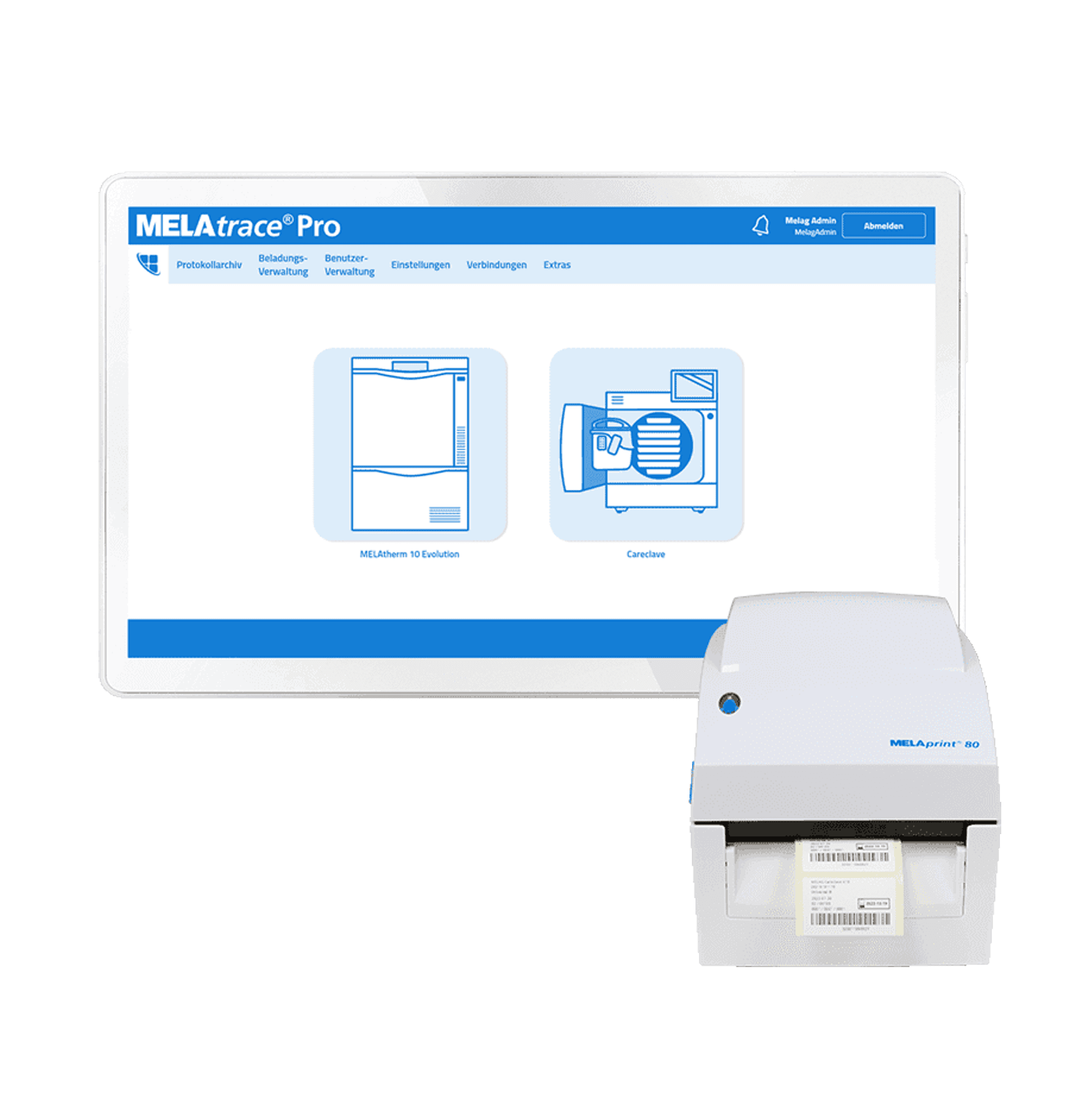
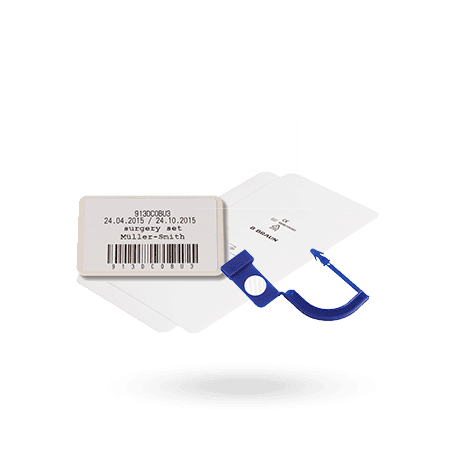
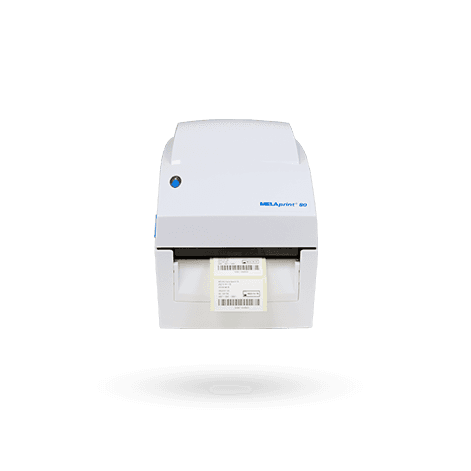
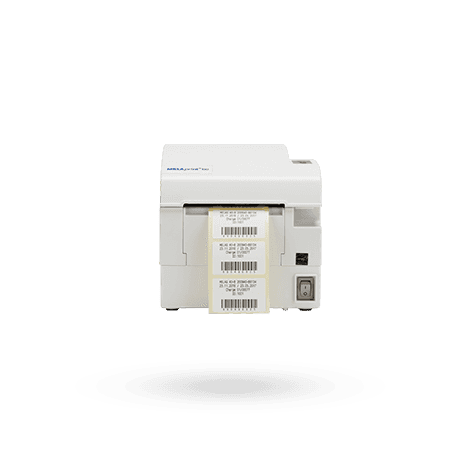
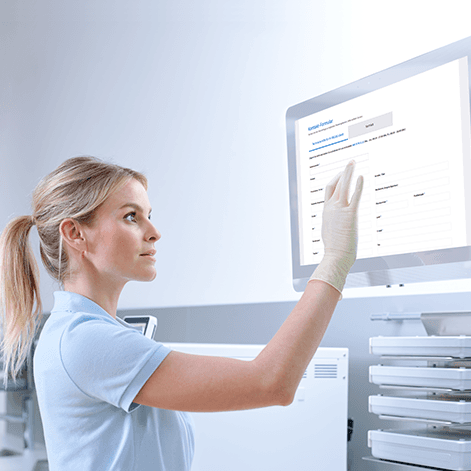
    As in many other areas of medicine, the burden of proof is reversed in dentistry. In the event of damage, the dentist must be able to prove that the instruments have been reprocessed correctly. Many modern autoclaves have an integrated monitoring system that facilitates this proof. However, with the help of additional software, the sterilization protocols can not only be stored securely, but also enriched with all important release decisions. These software solutions can be used either as a program on a PC or directly on the display of your autoclave. A barcode label printer is then used to print out the most important information and label the instruments. In this way, the batch information can be transferred directly to the patient file after reprocessing for complete documentation.

  5. The importance of a reliable service network

    A reliable autoclave is the heart of every dental practice, as it ensures the necessary sterility of the instruments and thus forms the basis for safe patient treatment. If the sterilizer breaks down, the entire practice comes to a standstill, which has a serious impact on patient care and the economic operation of the practice. It is therefore essential to consider the manufacturer's service network when selecting an autoclave.

    An efficient service network is characterized by fast response times and high availability of service technicians. In the event of a technical fault or failure, qualified technicians must be on site immediately to diagnose and rectify the problem. Quick troubleshooting minimizes downtimes and ensures that the practice can resume operations as quickly as possible.

Enable YouTube content

To play this video, please allow cookies and other external services from YouTube.

Enable YouTube content

To play this video, please allow cookies and other external services from YouTube.

Validation autoclave dental practice: How often?

Conclusion

Choosing the right sterilizer for a dental practice is crucial for patient safety and practice efficiency. Class B autoclaves with fractionated vacuum are essential for the sterilization of hollow instruments.

Sufficient loading capacity and fast cycle times help to minimize costs and maximize efficiency. Modern autoclaves also offer integrated release solutions and label printing, which make it easier to document the sterilization process and ensure proof of error-free reprocessing in the event of damage.

The Careclave goes one step further and combines several functions in one device, making it the ideal choice for dental practices looking for a comprehensive solution to reduce time, space and costs in instrument reprocessing. All in all, investing in a high-quality dental autoclave is an investment in the safety, efficiency and professionalism of the dental practice.

Where can you buy autoclaves for dental practices?

You can obtain autoclaves for dental practices from the dental depots in your region. The staff at these specialist dealers are specially trained in sterilization processes and will advise you individually on selecting the right model for your practice. They will also prepare customized offers tailored to your requirements.

It is advisable to purchase from a depot rather than an online store, as they usually also take care of the installation and have their own service technicians. This means that maintenance, validation and any repairs are reliably covered. Large depots also keep common spare parts in stock so that they can react quickly if necessary - especially with MELAG autoclaves.

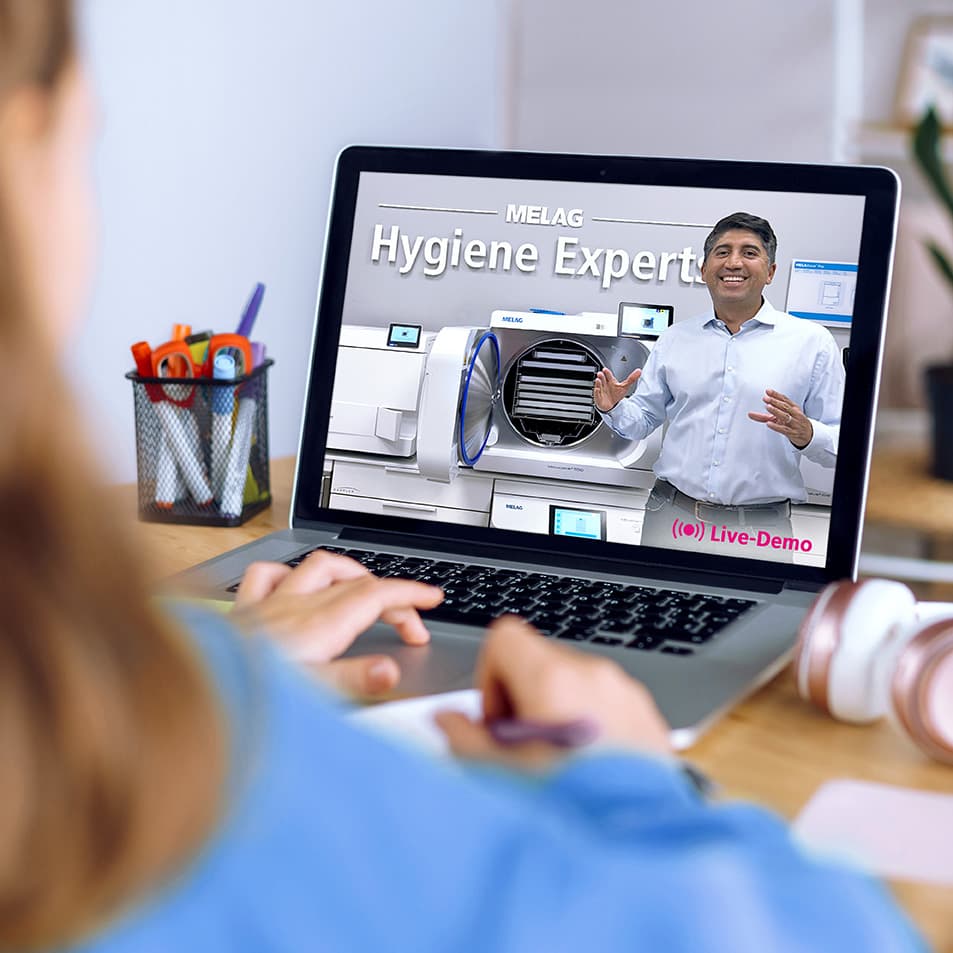
If you would prefer advice from the manufacturer, our sales team in your region is of course also at your disposal. We will be happy to advise you in person on site, by telephone or as part of a live online demo.

Routine testing of a dental autoclave

In addition to the proper use and care of a dental autoclave, routine tests are essential to ensure the functionality and effectiveness of sterilization. The most important routine tests include the weekly vacuum test and the helix test for each batch in which hollow instruments are processed.

Weekly vacuum test

A vacuum test should be carried out once a week. This test checks the tightness of the autoclave and its ability to generate the vacuum required to remove the air from the sterilization chambers. The vacuum test ensures that there are no leaks that could impair the sterilization process. A properly performed vacuum test is an essential part of quality assurance and helps to identify and rectify potential problems at an early stage.


Helix test for hollow instruments

The helix test is a specific test to check the sterilization efficiency of hollow instruments. This test should be performed on every batch containing hollow instruments such as straight and contra-angle handpieces, turbines and ZEG tips. The helix test consists of a spiral tube with an indicator strip. During the sterilization process, the indicator strip becomes discolored, indicating whether the steam has successfully penetrated all areas of the instrument and complete sterilization has been achieved.

Performing the helix test on each relevant batch ensures that the complex internal structures of the hollow instruments have been properly sterilized. This is particularly important as even the smallest residue of microorganisms in these instruments can lead to infections.

Collage-Autoklaven-min

Struggling to choose the right autoclave?

With our product finder, you can find the right autoclave for your practice in a flash.

The autoclave product finder
@MELAG_Medizintechnik

Become part of the MELAG family on Instagram.

Therminator
LIKE A BOSS MELAConnect INSTA.00 00 21 17.Still002
James Blond
242659556 1078731822897268 6204022075826677963 n
melag_medizintechnik
Therminator
LIKE A BOSS MELAConnect INSTA.00 00 21 17.Still002
James Blond
242659556 1078731822897268 6204022075826677963 n
La Casa
164138715 3507874006103570 311456217807659774 n
149845491 437586424027695 5214298580294819893 n
83934906 143956850408991 6347510830148386435 n
Therminator

2789 views

The MELAG THERMINATOR: As powerful as Schwarzenegger in his prime! 🤖 The innovation from the future against viruses and germs.

Subscribe now
La Casa
164138715 3507874006103570 311456217807659774 n
149845491 437586424027695 5214298580294819893 n
83934906 143956850408991 6347510830148386435 n

The right choice of autoclave: more than just sterilization

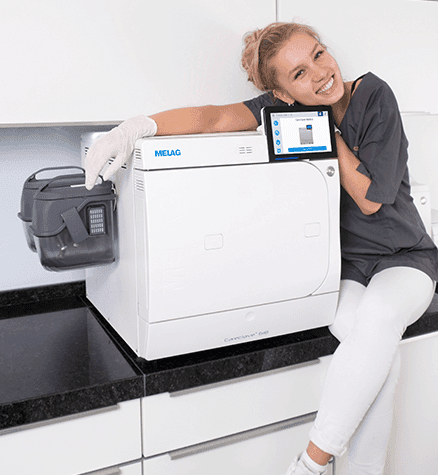
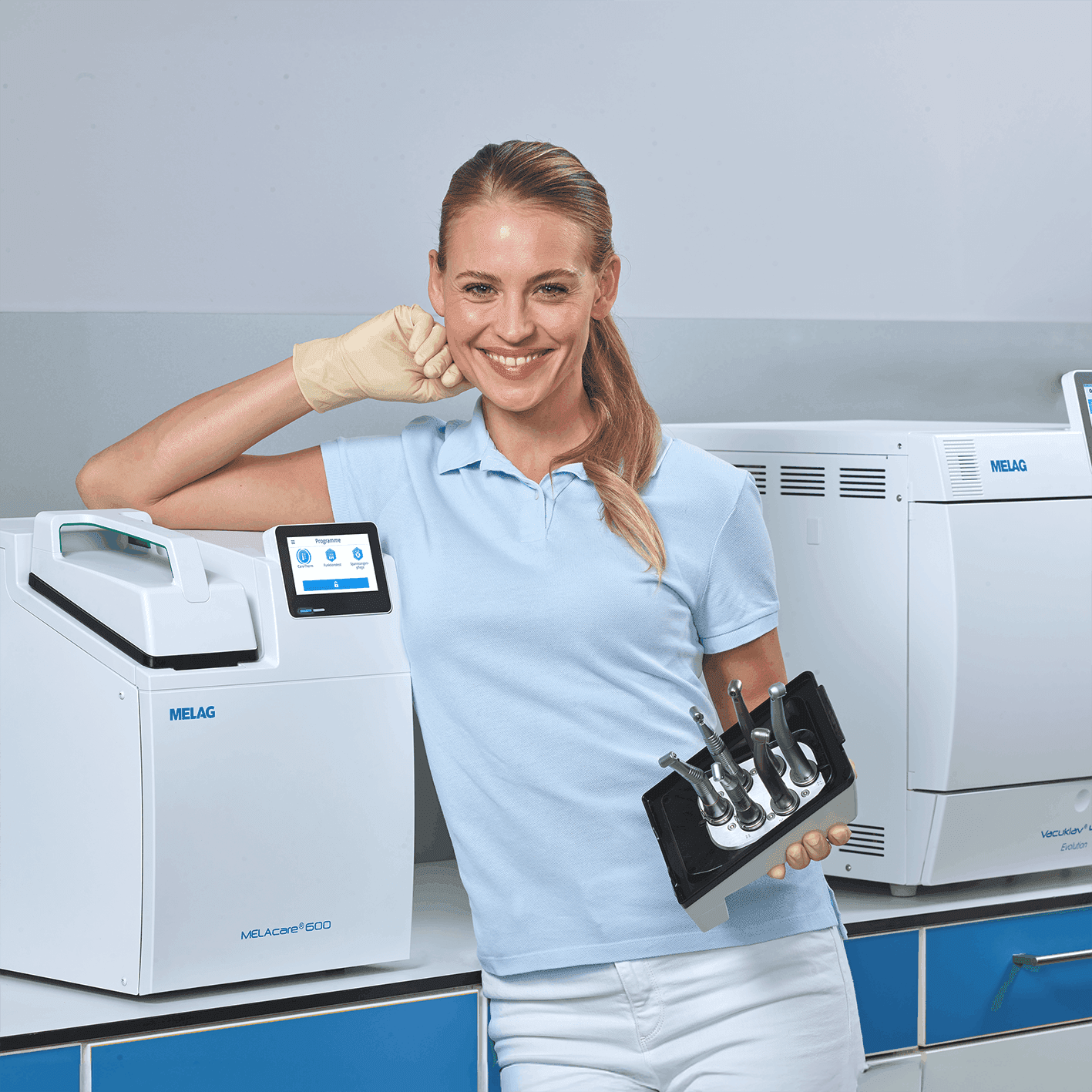
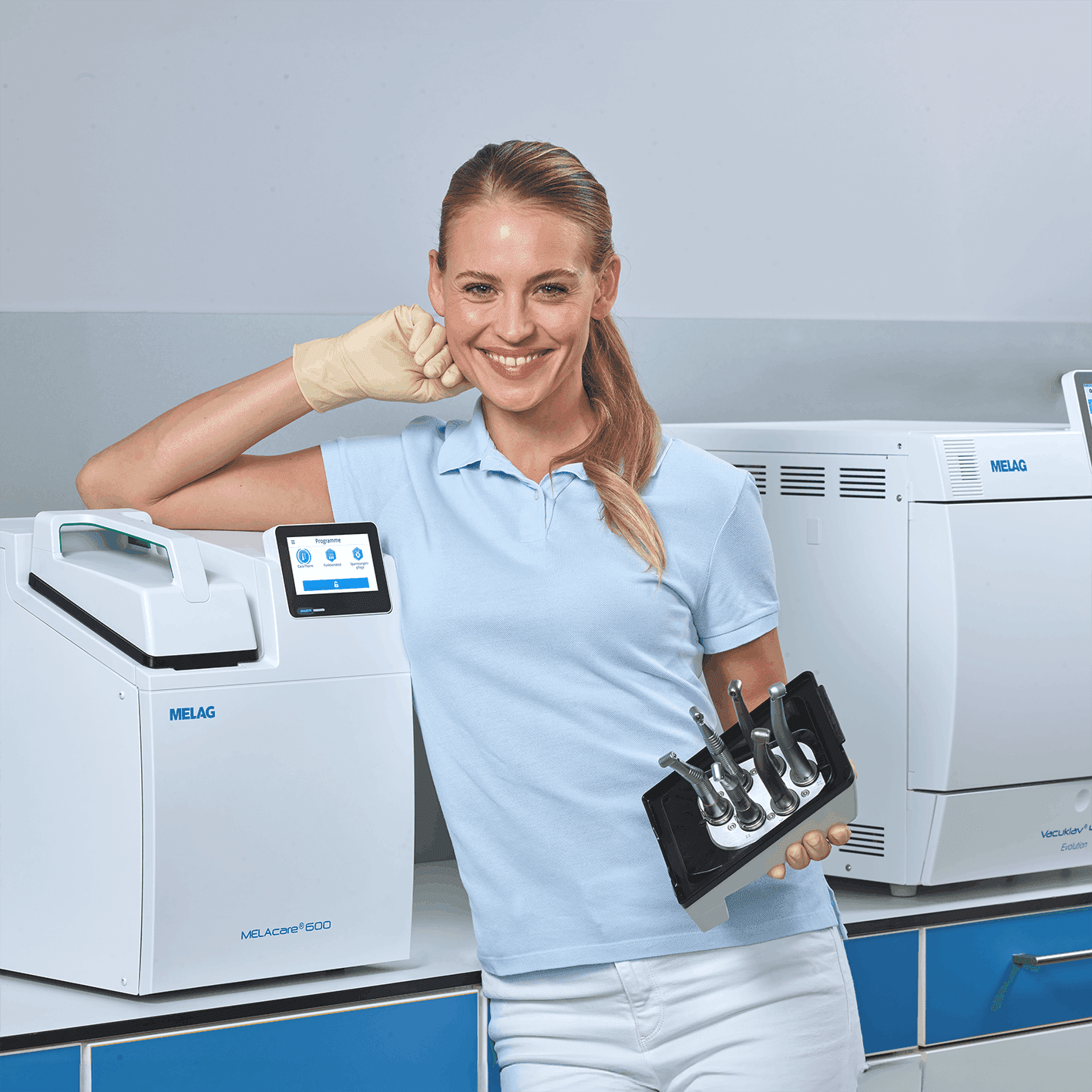
The ideal autoclave for the dental practice offers more than just sterilization. Dental practices must not only sterilize critical B instruments, but also clean, disinfect and, if necessary, maintain them. The Careclave offers the perfect solution for this. This multifunctional autoclave enables the simultaneous reprocessing of up to 8 contra-angle handpieces and also offers the option of sterilizing additional packaged instruments.

The Careclave combines several instrument reprocessing steps in one device, ensuring high efficiency and reliability in everyday practice. By integrating cleaning, disinfection and care functions, the Careclave not only saves time, but also reduces the need for additional devices and therefore space and follow-up costs.

Discover Careclave
Balkenanimation-Careclave