
Bestsellers Australia 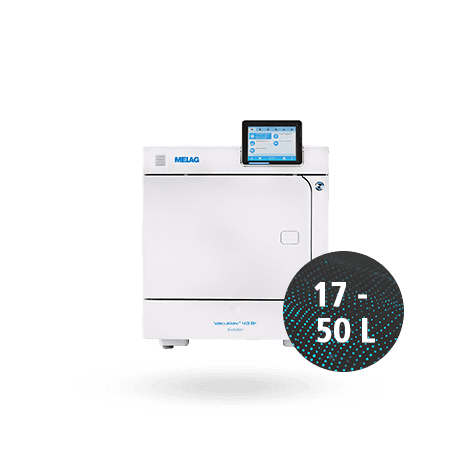
Autoclaves 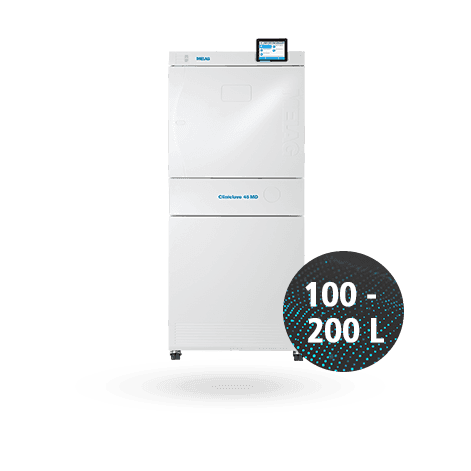
Large Autoclaves 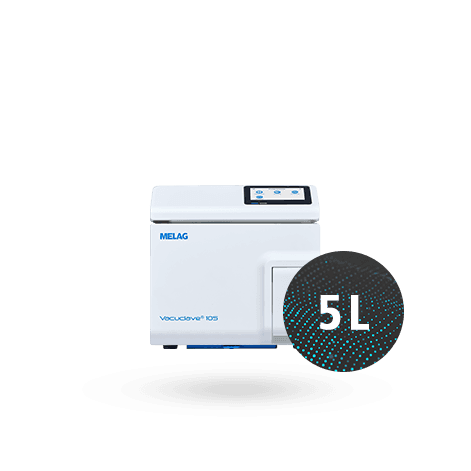
Small autoclaves 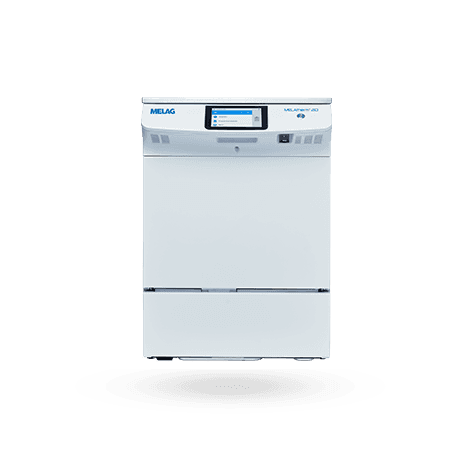
Washer-Disinfectors 
Sealing Devices 
Packaging 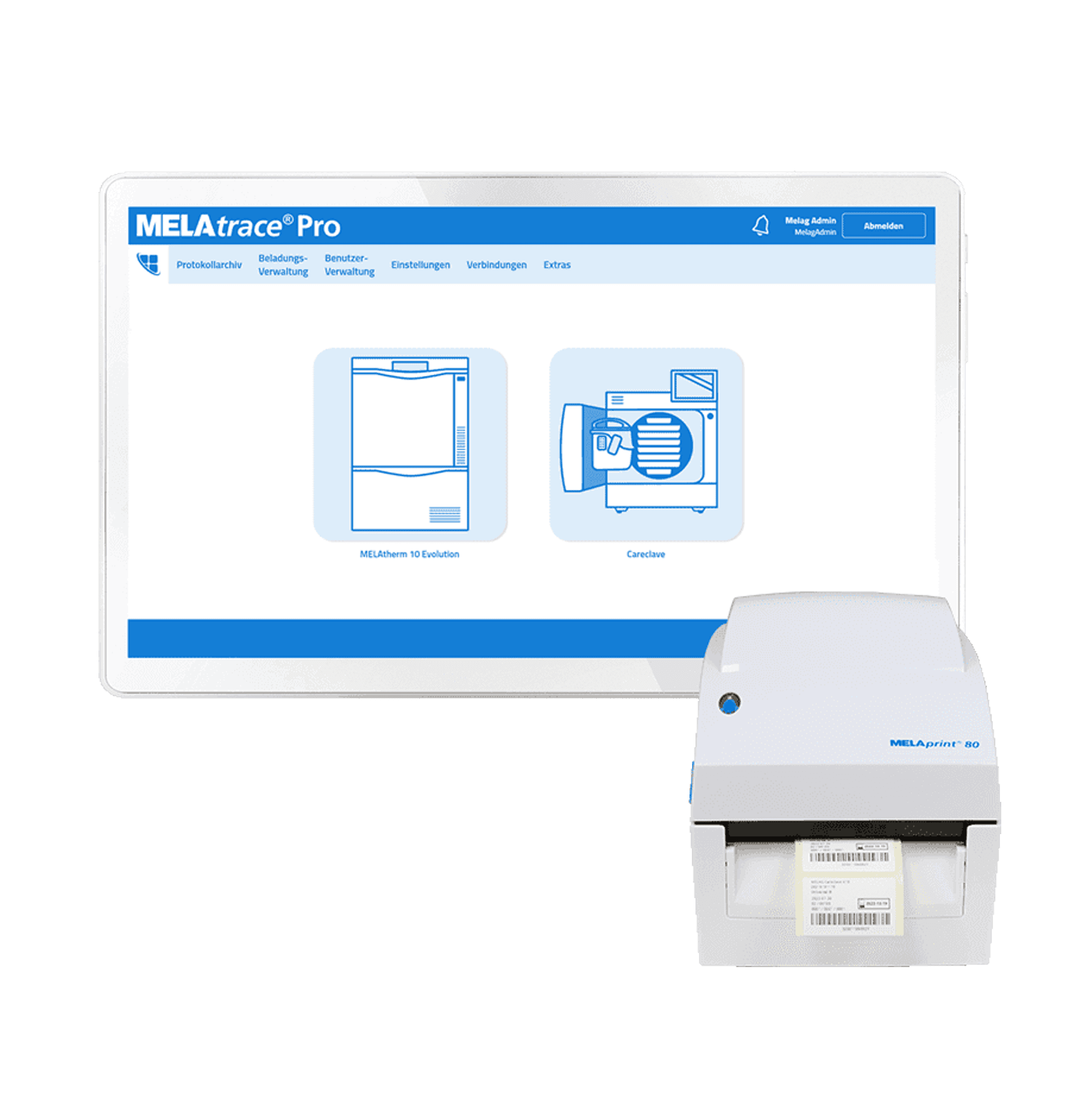
Documentation 
MELAverse 
Care 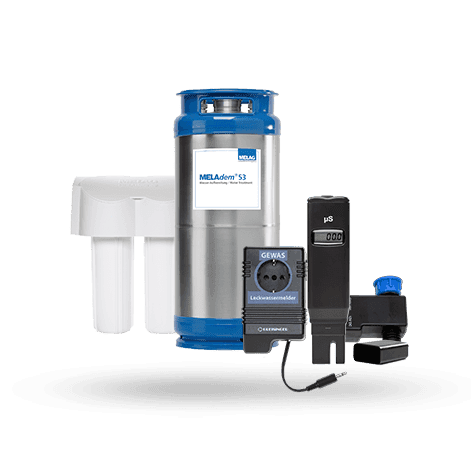
Water Treatment 
Routine Testing 
Consumables
Premium Class 
Prime Line (Class B) 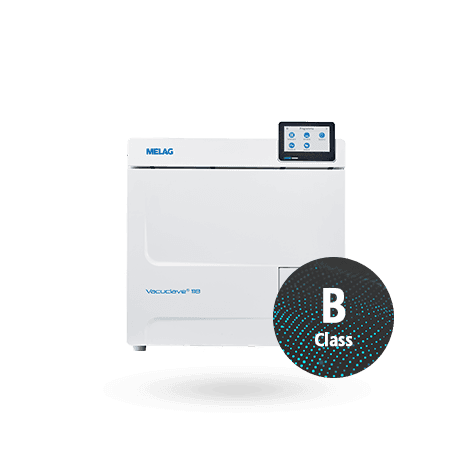
Pro Line (Class B) Pro Line (Class S) 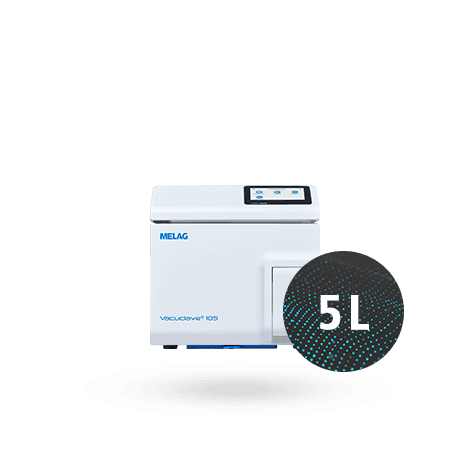
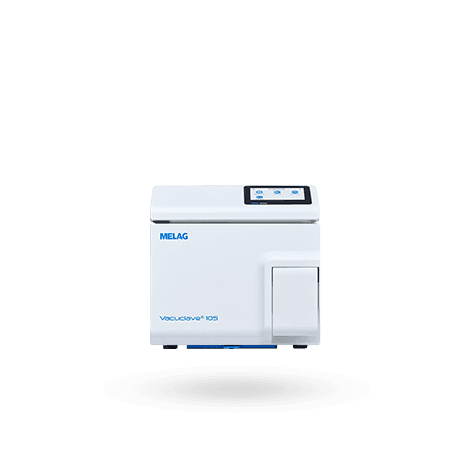
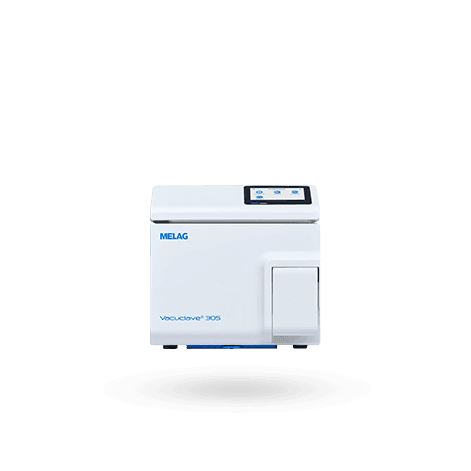
Vacuclave 105 / 305 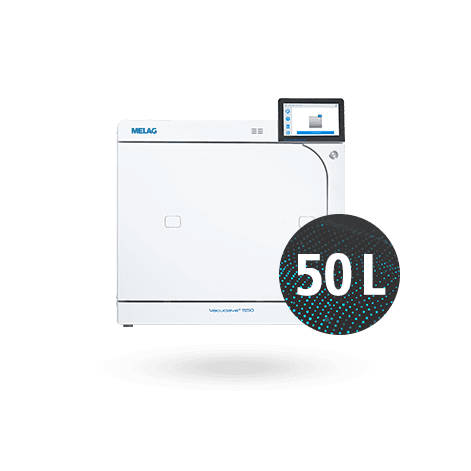
Vacuclave 550 Cliniclave 45 Series 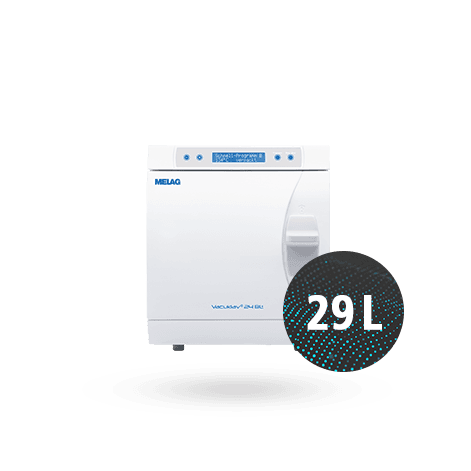
Vacuklav 24 BL+ 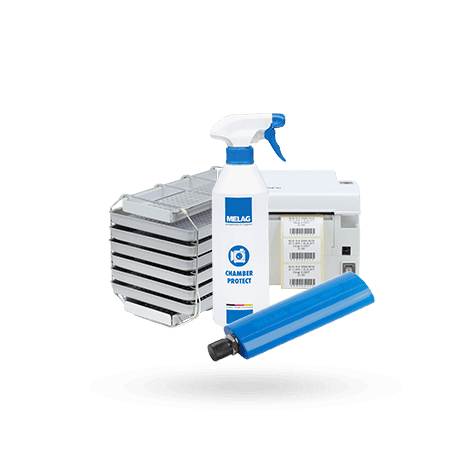
Accessories & components for autoclaves
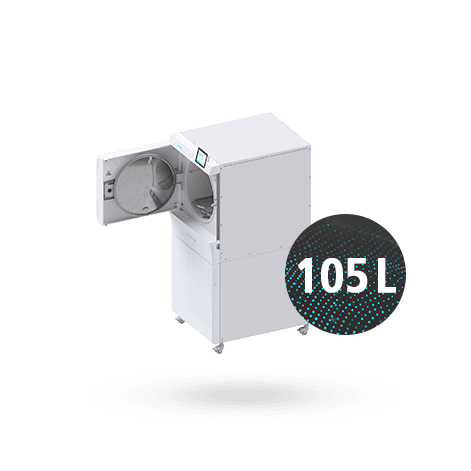
Cliniclave 45 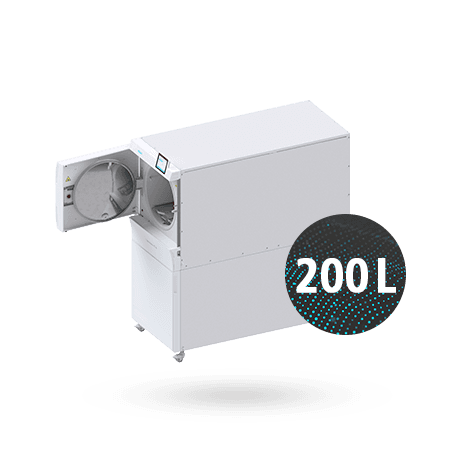
Cliniclave 45 M 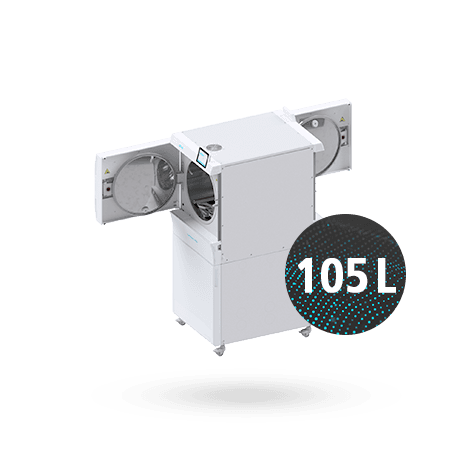
Cliniclave 45 D 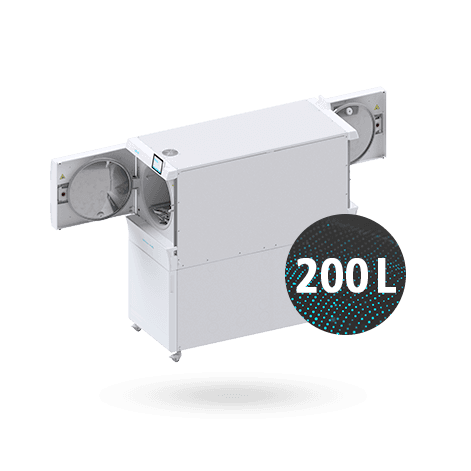
Cliniclave 45 MD Vacuclave 550 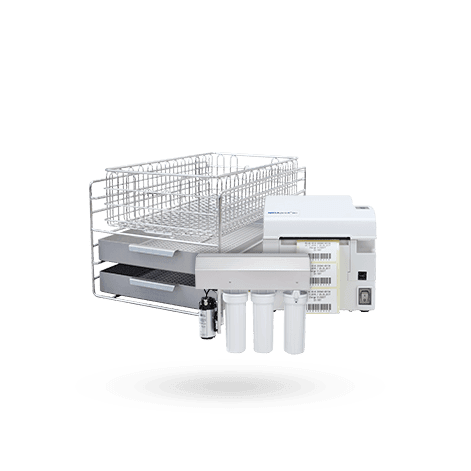
Accessories & components for large autoclaves
MELAtherm 20 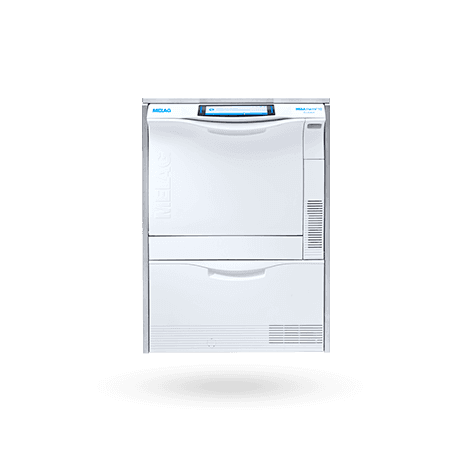
MELAtherm 10 Evolution 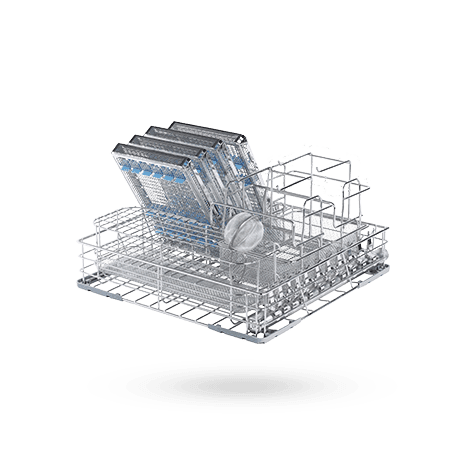
Loading patterns 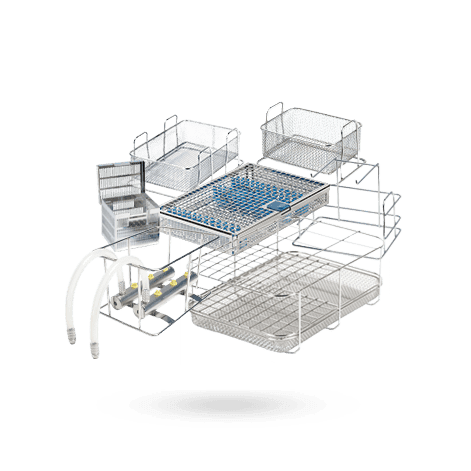
Baskets & Adapters 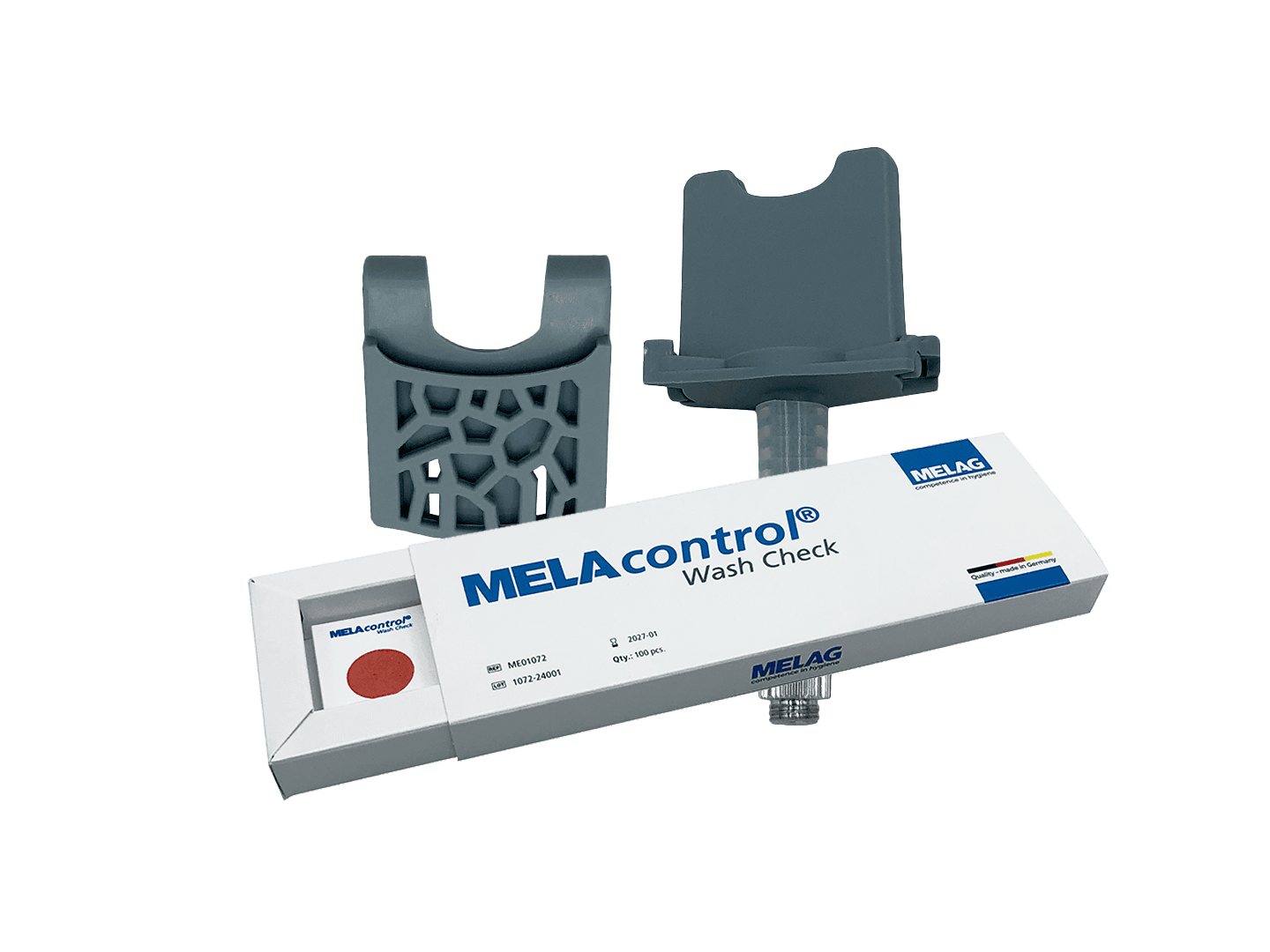
MELAcontrol Wash Check 
Regenerating Salt 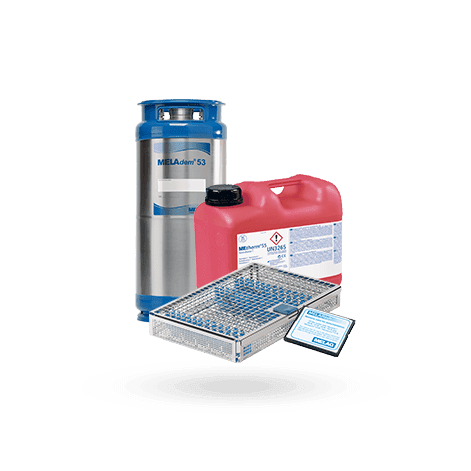
Accessories & components for thermal disinfectors
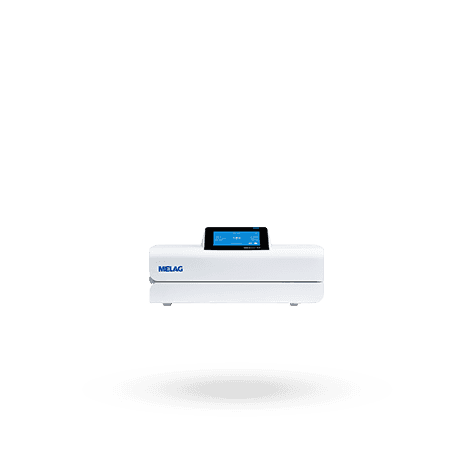
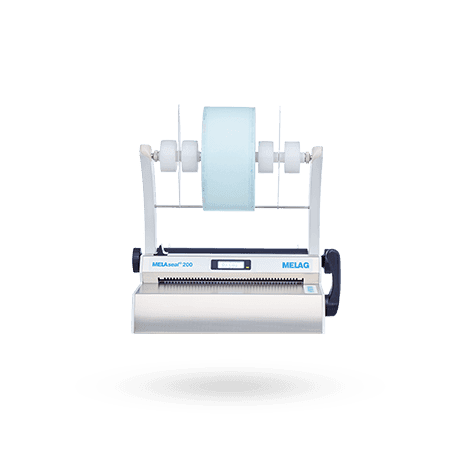
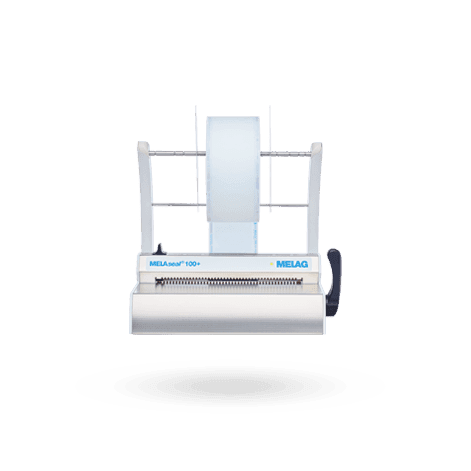
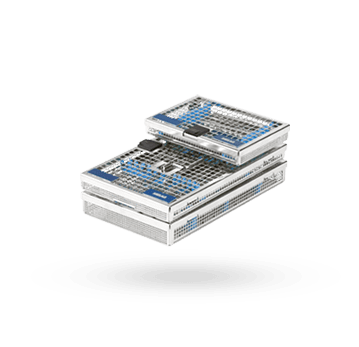
MELAstore Trays 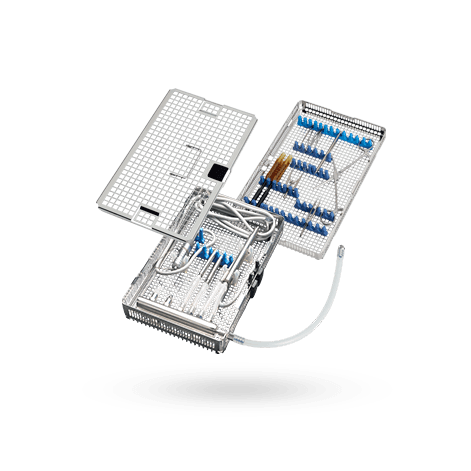
MELAstore Tray Ophthalmology 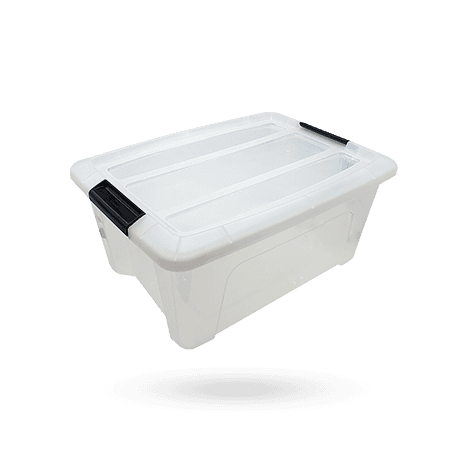
MELAstore transport box 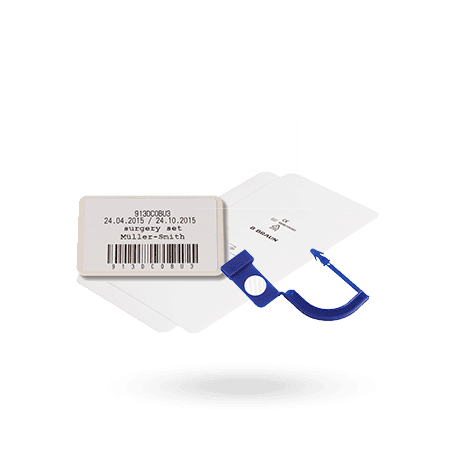
Accessories & components for sterile goods storage
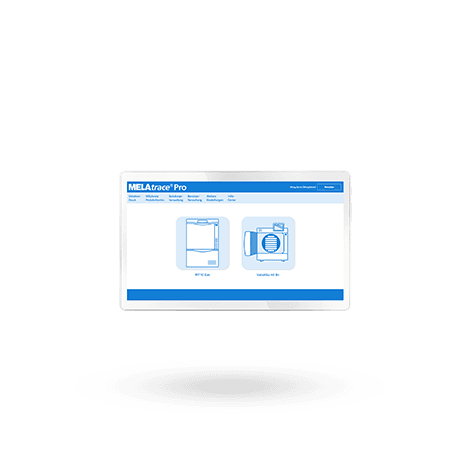
MELAtrace MELAverse 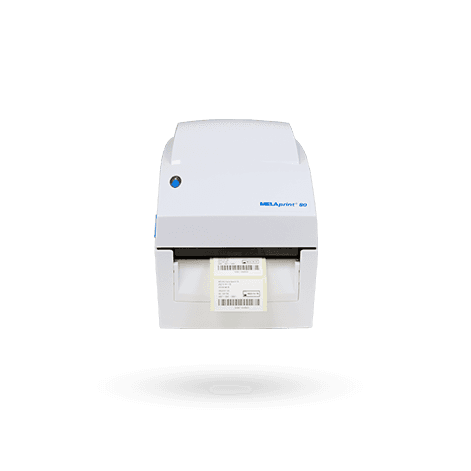
MELAprint 80 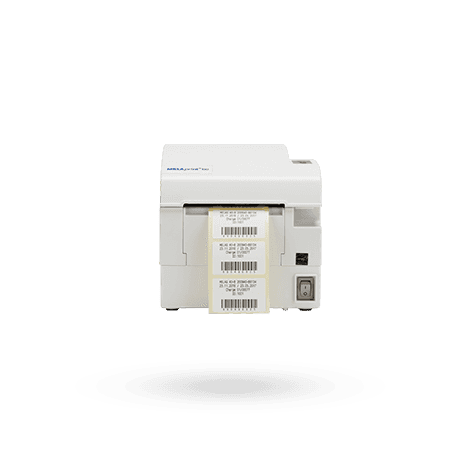
MELAprint 60 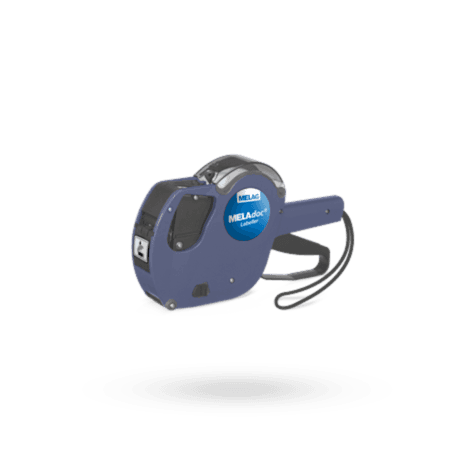
MELAdoc 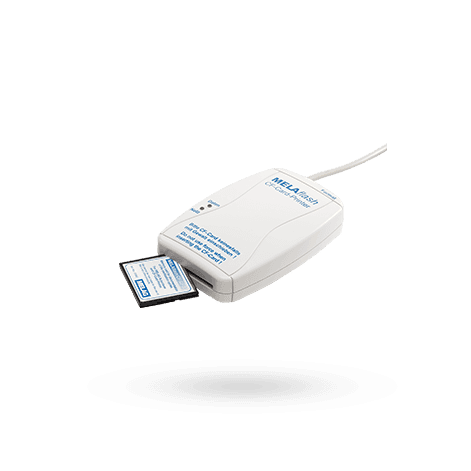
MELAflash 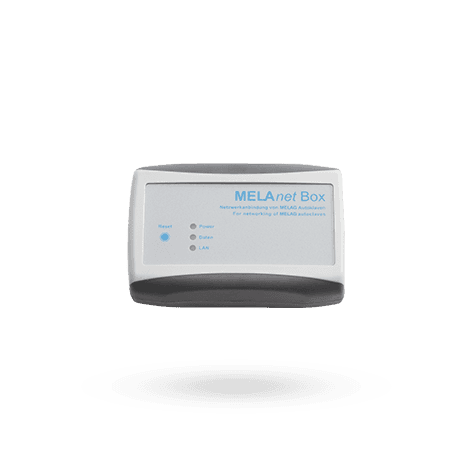
MELAnet Box 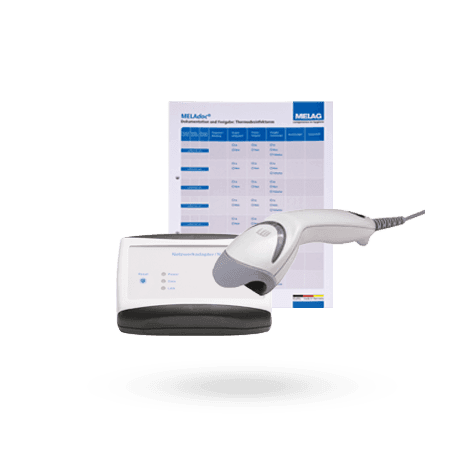
Accessories & components for documentation
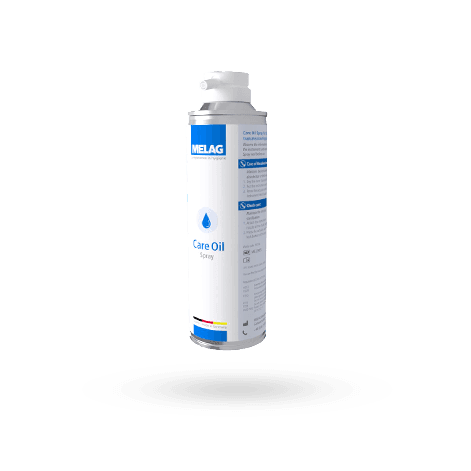

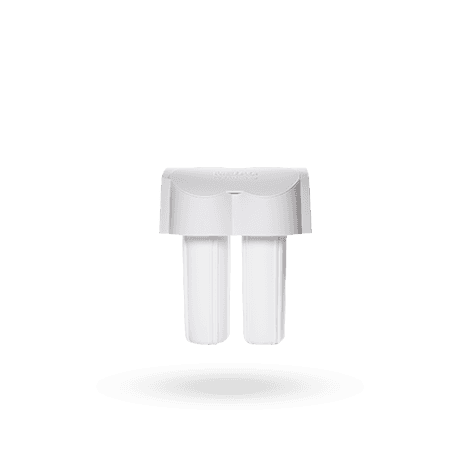
MELAdem 40 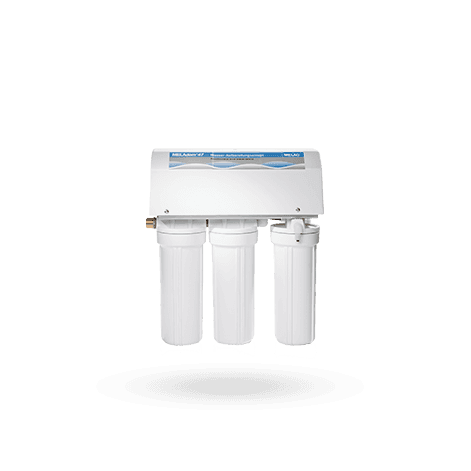
MELAdem 47 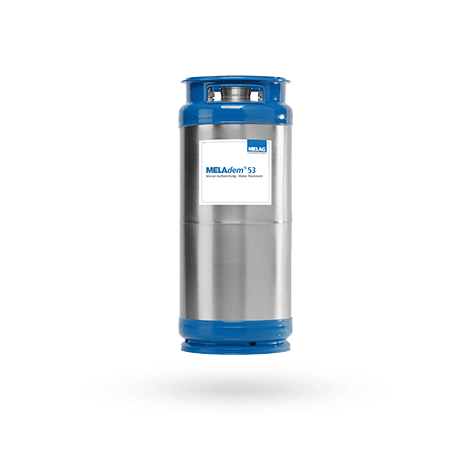
MELAdem 53 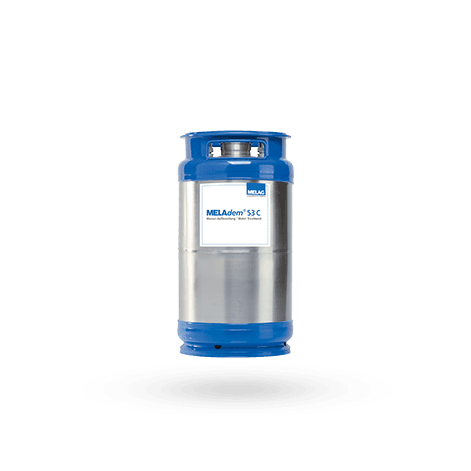
MELAdem 53 C 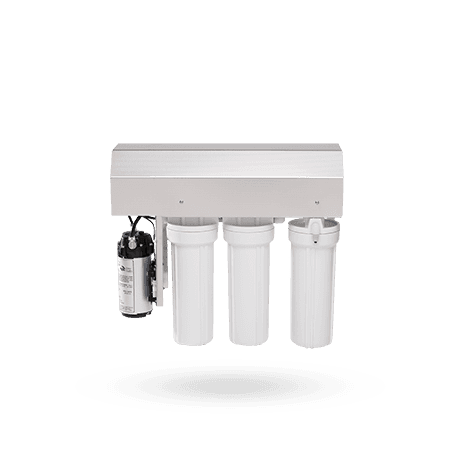
MELAdem 56 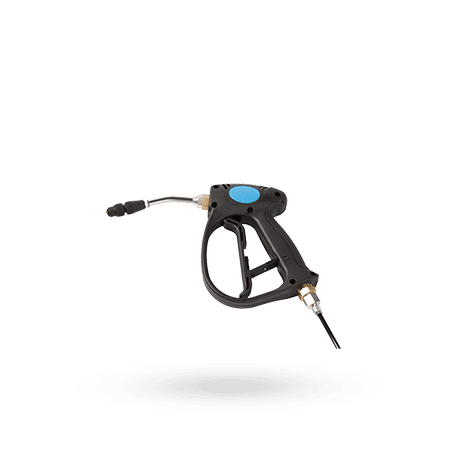
MELAjet 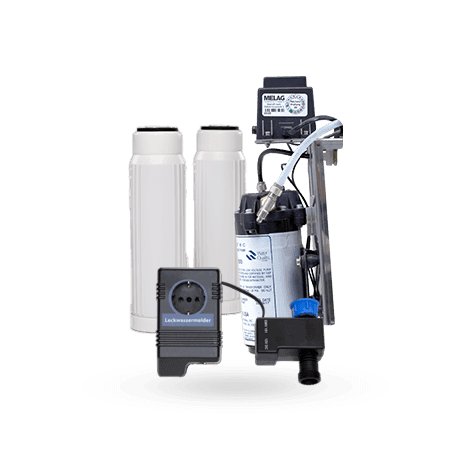
Accessories & components for water treatment

Downloadcenter 
Troubleshooting 
Video Tutorials 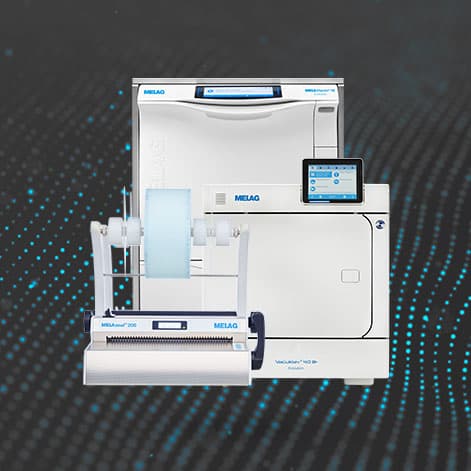
Device Registration 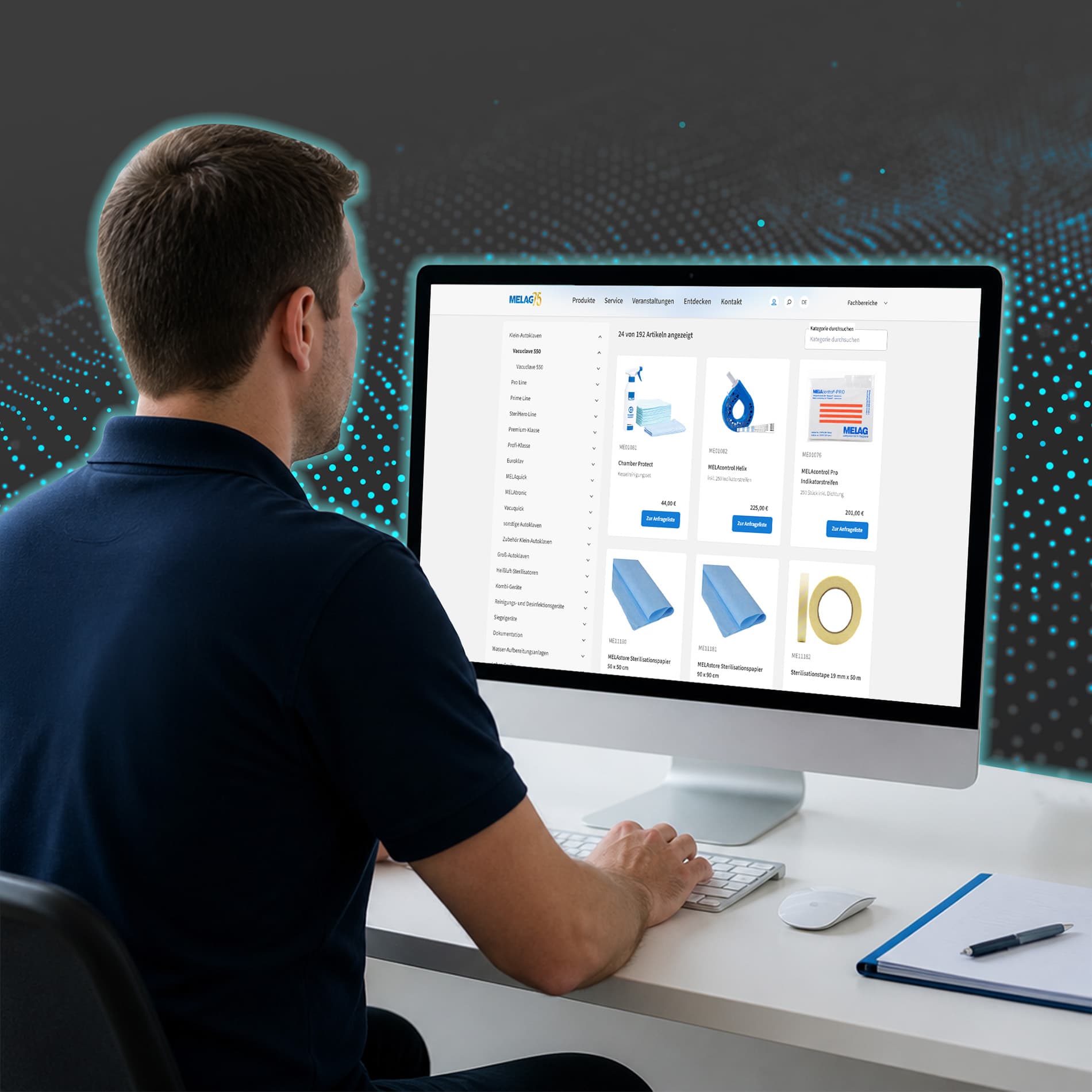
Service Portal 
Technical Training 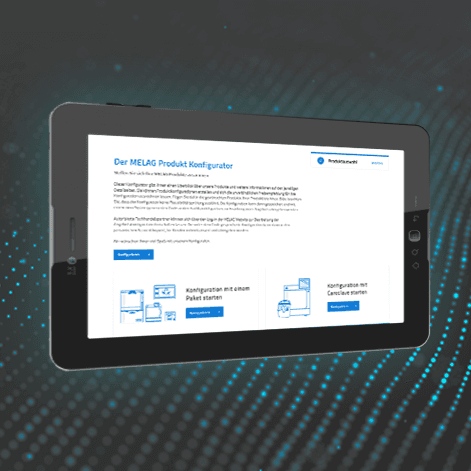
Configurator
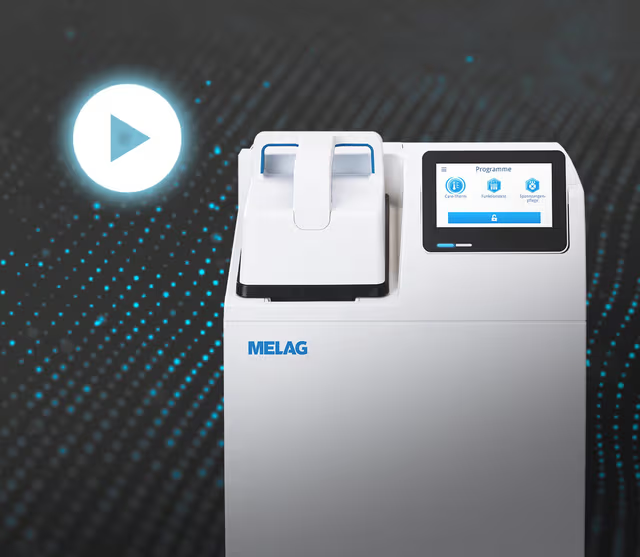
MELAcare Tutorials 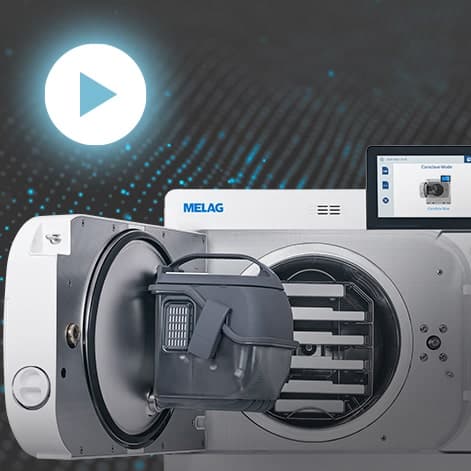
Careclave Tutorials 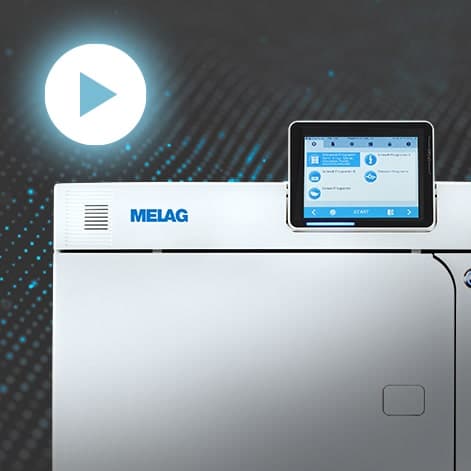
Autoclaves Tutorials 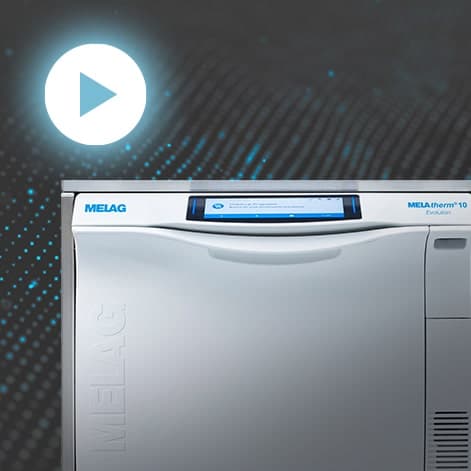
Washer-Disinfector Tutorials 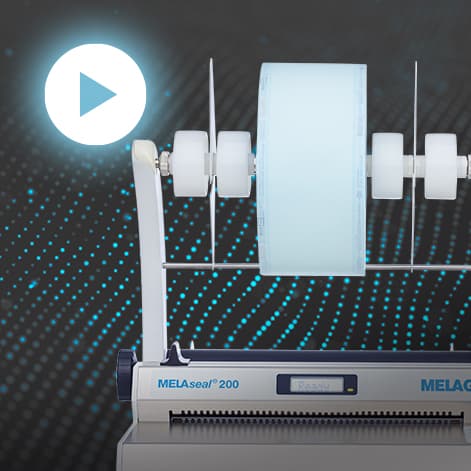
MELAseal 200 Tutorials 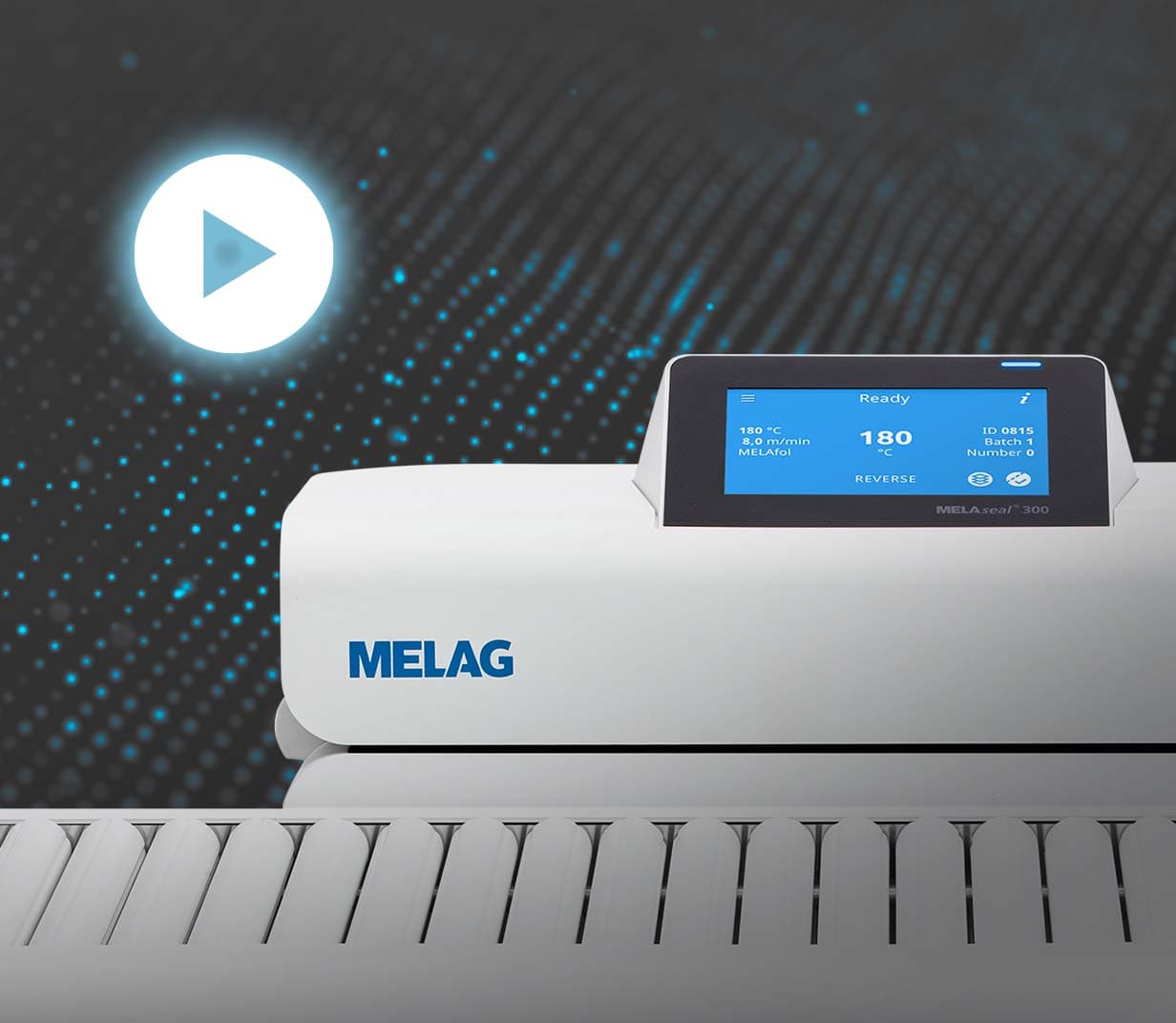
MELAseal 300 Tutorials 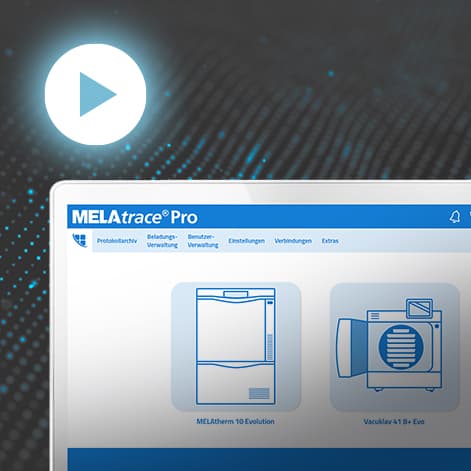
MELAtrace Tutorials









|