The new MELAtherm 20 in XXL: Discover now >

|
    • Unbenannt-1Best Sellers
    • Autoclave Tile
      • premium-klassePremium Class
      • Prime LinePrime Line (Class B)
      • Pro Line Product picturePro Line (Class B)
      • MicrosoftTeams-image (1196)-minPro Line (Class S)
      • 150 2Vacuclave 105 / 305
      • Vacuclave 550 Menu ElementVacuclave 550
      • Grossautoklaven-SystemloesungCliniclave 45 Series
      • 24-BL-StoererVacuklav 24 BL+
      • MELAtronic ProduktfotoMELAtronic Series
      • Zubehör Careclave ProduktfotoAccessories & components for autoclaves
    • Grossautoklaven-Systemloesung
      • Cliniclave 45 Produktfoto für Kaegorie MenuCliniclave 45
      • Cliniclave 45 M ProduktfotoCliniclave 45 M
      • Cliniclave 45 D ProduktfotoCliniclave 45 D
      • Cliniclave 45 MD ProduktfotoCliniclave 45 MD
      • Vacuclave 550 Menu ElementVacuclave 550
      • Großautoklaven Zubehör ProduktfotoAccessories & components for large autoclaves
    • 150 2
      • 150-ohne 1Vacuclave 105
      • 350-ohne 1Vacuclave 305
      • MELAquick ProduktfotoMELAquick Series
      • MELAtronic ProduktfotoMELAtronic Series
    • mt20-gross
      • mt20-grossMELAtherm 20
      • MT10EVO_Produkt_geschlossenMELAtherm 10 Evolution
      • Körbe und Adapter ProduktfotoLoading patterns
      • Collage-Korb 3-minBaskets & Adapters
      • MEtherm Process Agents ProduktfotoMEtherm Process Agents
      • teaser-washcheckMELAcontrol Wash Check
      • Regenerating SaltRegenerating Salt
      • MELAtherm Zubehör MenuAccessories & components for thermal disinfectors
    • Careclave_Produkt_offen für Menü
      • Careclave_Produkt_offen für MenüCareclave
      • Menu Foto Carebox BlueCarebox Blue
      • Carebox Green Menu BildCarebox Green
      • Cooling Box ProduktfotoCooling Box
      • Care Oil ProduktfotoCare Oil
      • Zubehör Careclave ProduktfotoAccessories & components for Careclave
    • MicrosoftTeams-image (1170)-min
      • MicrosoftTeams-image (1420)-min(1)MELAseal 300
      • MELAseal 200 Menu FotoMELAseal 200
      • MELAseal 100 Bild MenuMELAseal 100+
      • MELAfol Menu BildMELAfol+
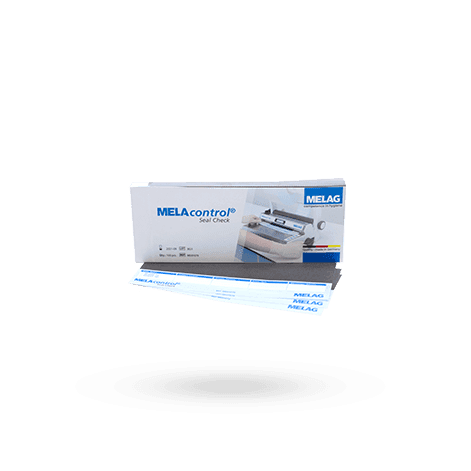
      • MELAcontrol Seal Check Routine Prüfung MenuRoutine Testing
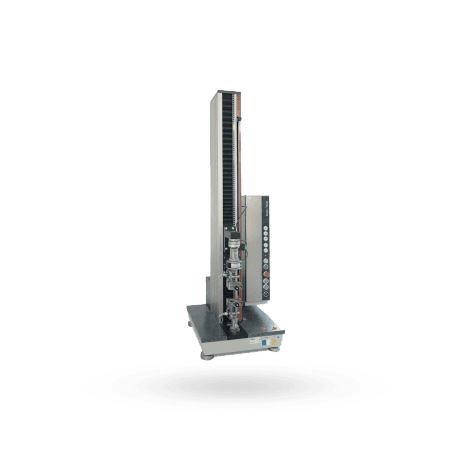
      • Siegelnahtfestigkeit MaschineSeal Seam Stability Test
      • Zubehör MELAseal MenuAccessories & components for sealing devices
    • MicrosoftTeams-image (1169)-min
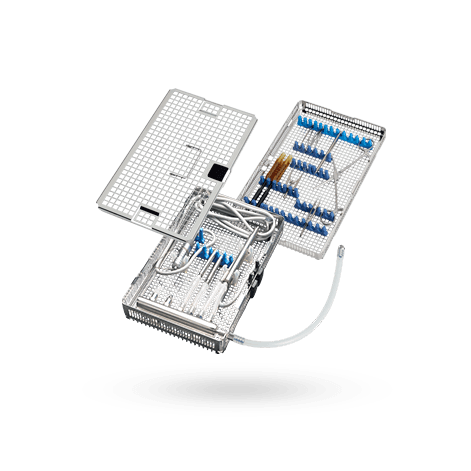
      • Trays neuMELAstore Trays
      • OTS MenüMELAstore Tray Ophthalmology
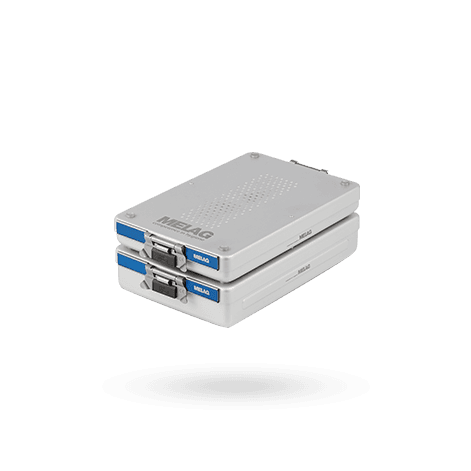
      • MELAstoreMELAstore Boxes
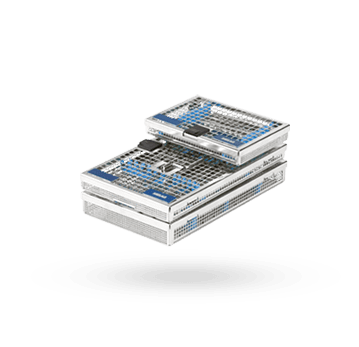
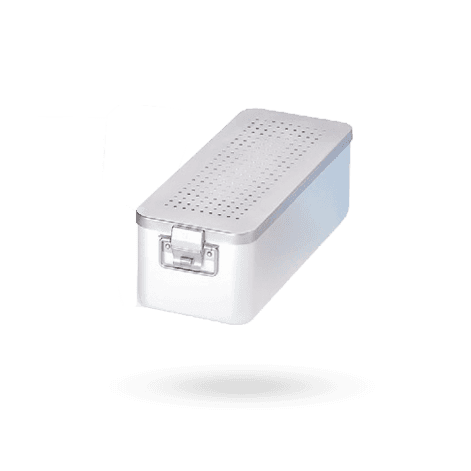
      • SterilisierbehälterSterilization Containers
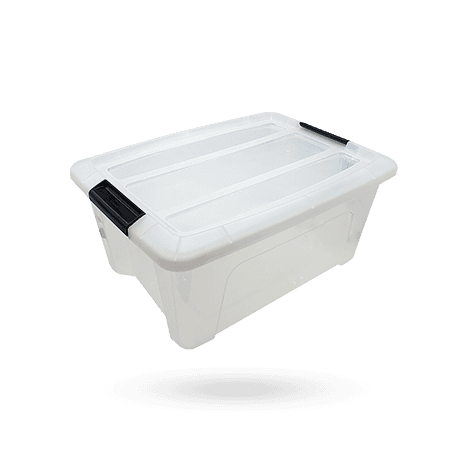
      • me01100 1MELAstore transport box
      • MELAfol Menu BildMELAfol+
      •   SterilisationspapierSterilisation paper
      • Zubehör PackagingAccessories & components for sterile goods storage
    • MicrosoftTeams-image (1168)-min
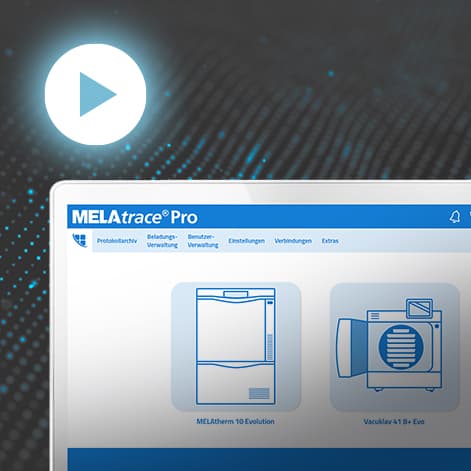
      • MELAtrace-Pro Menu IconMELAtrace
      • MELAverse Produkt KachelMELAverse
      • MELAprint 80MELAprint 80
      • MELAprint 60 ProduktfotoMELAprint 60
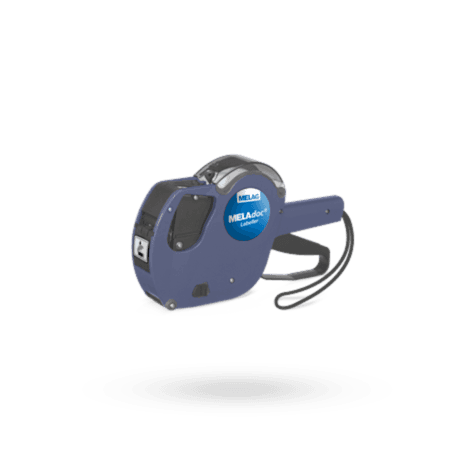
      • MELAdoc Titelbild-blau MELAdoc
      • MELAcontrol Menu FotoMELAcontrol
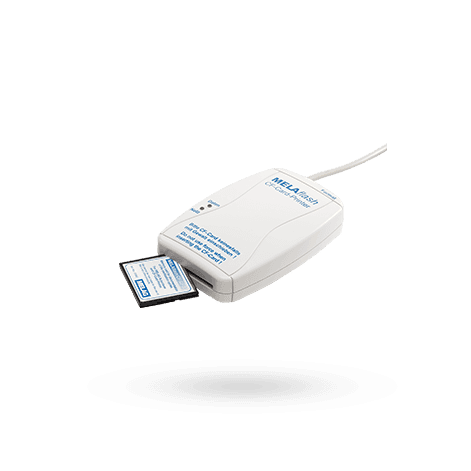
      • MELAflash ProduktfotoMELAflash
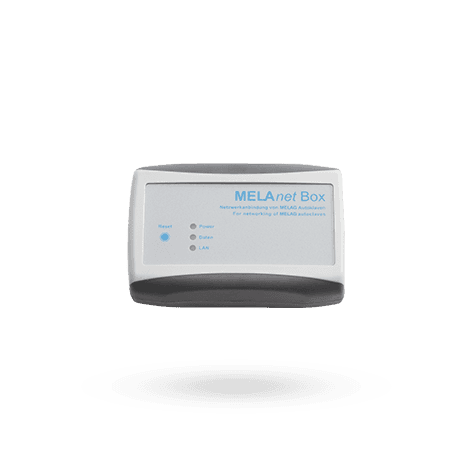
      • MELAnetBox Menu BildMELAnet Box
      • Zubehör DokuAccessories & components for documentation
    • MELAverse Produkt KachelMELAverse
    • MicrosoftTeams-image (1171)
      • MicrosoftTeams-image (1052)Care Oil Spray
      • MicrosoftTeams-image (1053)Chamber Protect
    • MicrosoftTeams-image (1172)-min
      • MELAdem 40 ProduktfotoMELAdem 40
      • MELAdem 47 ProduktfotoMELAdem 47
      • MELAdem 53 Menu FotoMELAdem 53
      • MELAdem 53 CMELAdem 53 C
      • MELAdem 56 ProduktfotoMELAdem 56
      • MELAjet ProduktfotoMELAjet
      • MELAtest 60 ProduktfotoMELAtest 60
      • Zubehör WasserAccessories & components for water treatment
    • MicrosoftTeams-image (1167)-min
      • MELAcontrol Menu FotoMELAcontrol Helix
      • MELAcontrol ProMELAcontrol Pro
      • MELAcontrol Type 5MELAcontrol Type 5
      • MELAcontrol Bowie & Dick TestMELAcontrol Bowie & Dick Test
      • teaser-washcheckMELAcontrol Wash Check
      • MELAcontrol Seal Check Routine Prüfung MenuMELAcontrol Seal Check
      • Siegelnahtfestigkeit MaschineSeal Seam Stability Test
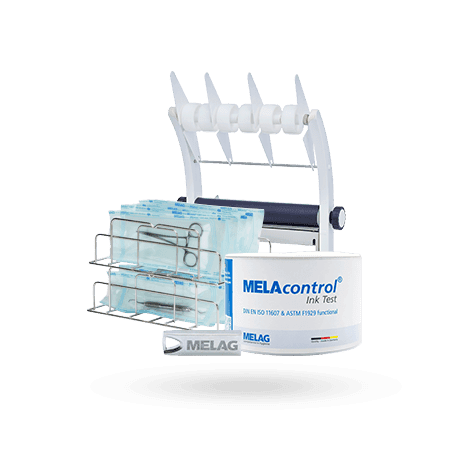
      • Menu ink TestMELAcontrol Ink Test
    • MELAfol ProduktfotoConsumables
    • Downloadcenter Tile ImageDownloadcenter
    • Service-troubleshootingTroubleshooting
    • Video Tutorials Autoclave
      • Careclave Tutorial MenuCareclave Tutorials
      • Autoklaven Tutorial Autoclaves Tutorials
      • Tutorial Thermodesinfektor MenuWasher-Disinfector Tutorials
      • Siegelgeräte Menu TutorialMELAseal 200 Tutorials
      • MS300 BalkenteaserMELAseal 300 Tutorials
      • MELAtrace TutorialMELAtrace Tutorials
    • Gerätertegistrierung Menu BildDevice Registration
    • Techniker-schulung Menü BildTechnical Training
    • KonfiguratorConfigurator
    • save money Promotions
    • Entdecken-referenzSuccess Stories
    • Hygiene Hub TileInspiration & Tips
    • Tutorials TileNews
    • MELAG FamilieFamily Business & Jobs
    • Beratung-uebersicht
      • Beratung-uebersichtBook a consultation: On-site, online or in a showroom
      • entdecken-ansprechpartnerYour sales contacts
      • Messen & Kongresse Bild MenuFairs & Congresses
      • beratung-kontaktformularContact form
      • Gebauer GFCompany & Apprenticeship
    • entdecken-ansprechpartner
      • Beratung-uebersichtBook a consultation: On-site, online or in a showroom
      • entdecken-ansprechpartnerYour sales contacts
      • Messen & Kongresse Bild MenuFairs & Congresses
      • beratung-kontaktformularContact form
      • Gebauer GFCompany & Apprenticeship
    • Messen & Kongresse Bild MenuFairs & Congresses
    • beratung-kontaktformularContact form
    • Gebauer GFCompany & Apprenticeship
    • Dental
    • Medical
    • Ophthalmo
    • Hospital
    • Veterinary
    • Podiatry
Select language and country

Newsletter Subscription

Register for our newsletter and always stay up to date.

Products
  • Instrument Reprocessing
  • Autoclaves
  • Large Autoclaves
  • Washer-Disinfectors
  • MELAcare
  • Careclave
  • Sealing Devices
Service
  • Downloads
  • Troubleshooting
  • Video Tutorials
  • Blog
Company
  • We are MELAG
  • Sustainability
  • History
  • News
  • Contact
  • Instrument Reprocessing
  • Autoclaves
  • Large Autoclaves
  • Washer-Disinfectors
  • MELAcare
  • Careclave
  • Sealing Devices
  • Downloads
  • Troubleshooting
  • Video Tutorials
  • Blog
  • We are MELAG
  • Sustainability
  • History
  • News
  • Contact
  • Imprint
  • Terms and Conditions
  • Privacy
  • Whistleblower
  • Open Cookie Settings

© MELAG Medizintechnik GmbH & Co. KG

Placeholder for alt text
Dr. Kayla Teh

Infection protection with MELAG at the Dr. Kayla Dental Clinic

Enable YouTube content

To play this video, please allow cookies and other external services from YouTube.

Best practice in instrument reprocessing: The hygiene workflow in Dr Kayla Teh's practice

Hygiene is the top priority at Dr Kayla Teh's dental practice. With a team of 16 employees and four treatment rooms, she places particular emphasis on seamless instrument reprocessing. The process begins with thorough cleaning and disinfection, followed by sterilisation. State-of-the-art technologies and strict protocols ensure the highest standards. Continuous training for the team guarantees professional implementation. Thanks to this exemplary hygiene workflow, the practice is not only a place of treatment, but also a place of trust and safety for patients.

IMG 8396
@MELAG_Medizintechnik

Become part of the MELAG family on Instagram.

Therminator
LIKE A BOSS MELAConnect INSTA.00 00 21 17.Still002
James Blond
242659556 1078731822897268 6204022075826677963 n
melag_medizintechnik
Therminator
LIKE A BOSS MELAConnect INSTA.00 00 21 17.Still002
James Blond
242659556 1078731822897268 6204022075826677963 n
La Casa
164138715 3507874006103570 311456217807659774 n
149845491 437586424027695 5214298580294819893 n
83934906 143956850408991 6347510830148386435 n
Therminator

2789 views

The MELAG THERMINATOR: As powerful as Schwarzenegger in his prime! 🤖 The innovation from the future against viruses and germs.

Subscribe now
La Casa
164138715 3507874006103570 311456217807659774 n
149845491 437586424027695 5214298580294819893 n
83934906 143956850408991 6347510830148386435 n

SYSTEM SOLUTION FOR INSTRUMENT REPROCESSING
Instrument reprocessing is a critical procedure involving physical or chemical methods to decontaminate reusable medical devices ensuring their safety for subsequent use on patients and handling by staff. The primary objective of instrument reprocessing is to safeguard the wellbeing of both patients and practice staff by effectively eliminating harmful microorganisms present on the instruments.

To achieve comprehensive instrument decontamination, a series of essential steps must be followed. These steps include cleaning and disinfection, inspection, packaging, sterilization, as well as documentation and approval.
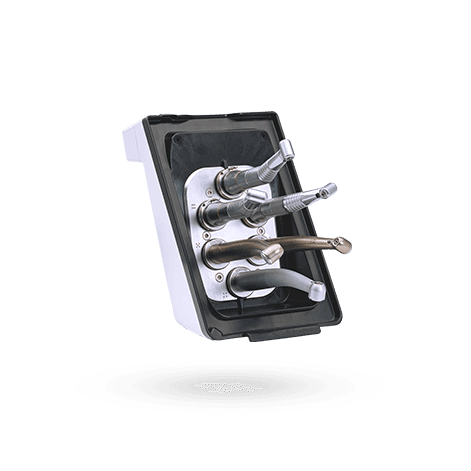
Adherence to international guidelines is paramount, as they emphasise the necessity for trained personnel to execute the entire instrument reprocessing process using closely monitored procedures to ensure reproducibility. These stringent requirements serve to enhance the health and safety of patients, users, and all individuals involved.
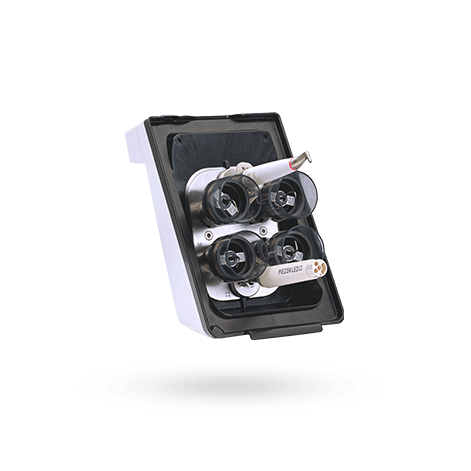
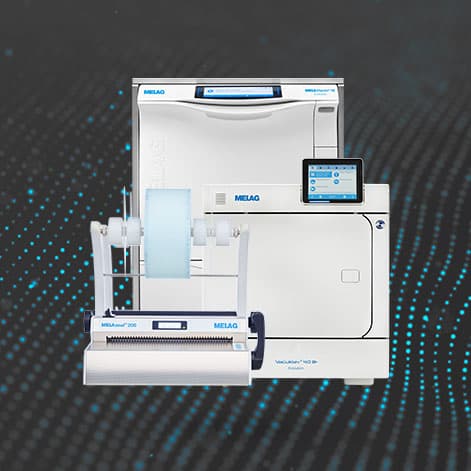
Dr. Kayla Teh's practice has adopted a comprehensive system solution from the German solution provider, MELAG. This solution integrates components such as autoclaves, washer-disinfectors, sealing devices, and software solutions into a single workflow. By utilising this solution, the practice ensures a streamlined and synchronised process for instrument reprocessing.

At the heart of the system solution approach is the individual care of the practice's patients. With the provision of a central contact, the practice has the advantage of having a single point of contact to address all infection control questions, providing promt and comprehensive support. Whether there are inquiries regarding device operation, maintenance or troubleshooting, the central contact from MELAG ensures that the practice receives immediate assistance, thus ensuring an efficient instrument reprocessing process.

Efficiency is of paramount consideration for any dental practice, and a system solution in the decontamination room can optimize costs and synchronize services. By harmonizing the service of all devices in the decontamination room, Dr. Teh's practice achieves a cost-effective approach to maintenance and support.
Instead of managing multiple service contracts and coordinating various providers, the practice can rely on a single source for all of its service needs. This not only streamlines the administrative aspects but also ensures that all devices receive timely and synchronized service, minimizing downtime and maximizing operational efficiency.

Moreover, a key advantage of system solution lies in its process-optimized operating concept. The components of the system are designed to work seamlessly together, eliminating potential malfunctions and enhancing everyday practice. The coordinated approach of the autoclaves, washer-disinfectors, sealing devices and software solution creates a smooth workflow that minimizes errors, ensures consistent adherence to best practices, and maximizes the reliability of instrument reprocessing procedures.

Furthermore, the system solution from MELAG offers additional benefits: The integration of various components from a single source ensures compatibility and a unified user experience. The practice can rely on a standardised approach troughout the entire instrument reprocessing workflow, simplifying training, and enhancing staff proficiency. Additionally, the availability of comprehensive documentation and traceability features allows for easy compliance with legal requirements, enhances quality control, and strengthens patient safety measures.

By closely following a standardized workflow with MELAG's system solution, Dr. Teh's practice delivers optimal patient care and mitigates any potential risks associated with cross-contamination or infection.

Step one: Preparing the instruments

The first critical step in instrument reprocessing is proper instrument preparation.
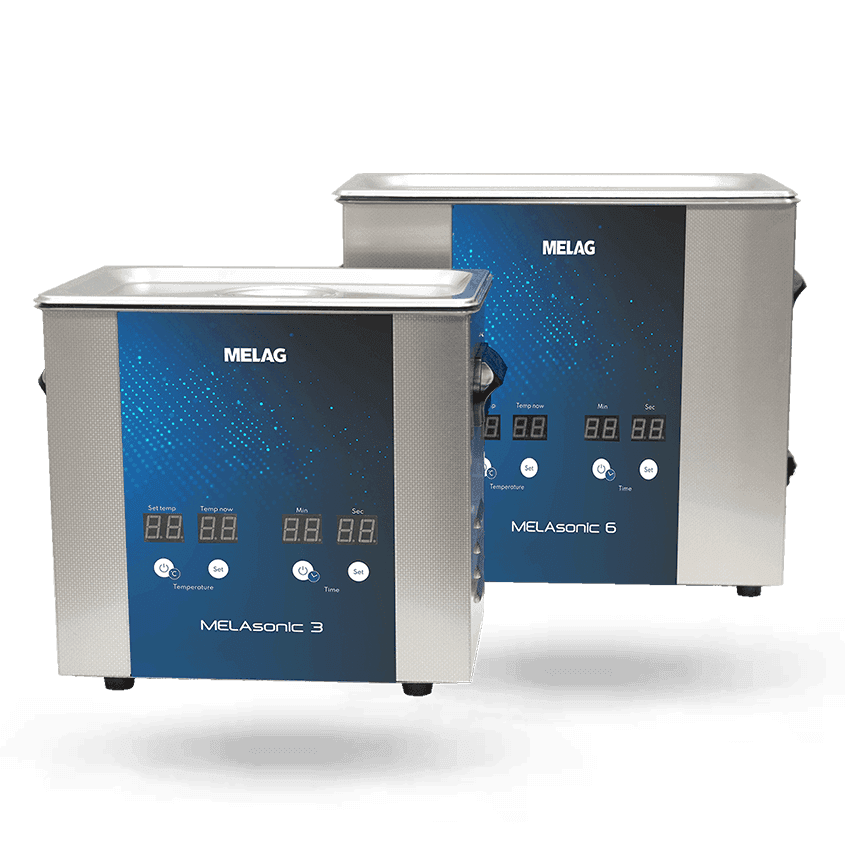
This includes collecting the used instruments, pre-cleaning them if necessary, and transporting them quickly from the treatment room to the designated decontamination area. Pre-cleaning of instruments from coarse soil and water-insoluble residues should be performed immediately after the instrument is used in the treatment room. To optimize the processing outcome, it is essential that the instruments must be transported to the decontamination area as quickly as possible. Health and safety regulations require that instruments be transported in closed containers or trays to protect both patients and the practice team. In the decontamination room, plastic brushes are used to protect instrument surfaces during pre-cleaning, and ultrasonic devices may be used to assist in the removal of stubborn contaminants.

Step two: Cleaning, disinfection, and drying

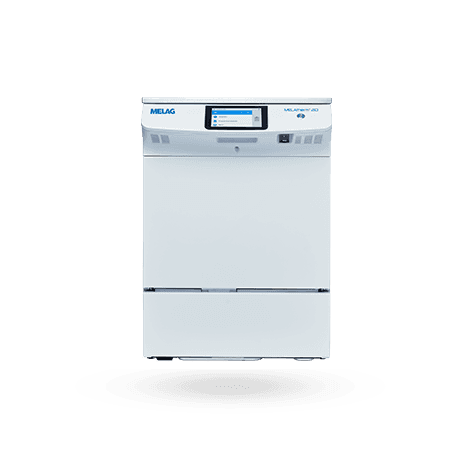
The preparation step is followed by cleaning and disinfection. Automated cleaning and disinfection using a washer-disinfector is preferable to manual, chemical cleaning and disinfection in tubs. Manual disinfection is prone to error due to a number of factors, whereas a washer-disinfector ensures a reproducible and validated result through constant monitoring of parameters.

The use of a washer-disinfector provides numerous benefits to Dr Teh's practice team. One benefit is the increased efficiency it brings to the practice. By automating cleaning and disinfection procedures, the washer-disinfector frees up time for team members to focus on other important responsibilities and tasks within the practice, optimising productivity and workflow.

In addition, the washer-disinfector reduces exposure to contaminated instruments, improving the overall safety of the practice team. By eliminating the need for manual handling of instruments during the cleaning and disinfection process, the risk of accidental exposure to potentially hazardous substances or pathogens is reduced. This promotes a safer working environment, safeguarding the wellbeing of dental professionals and ensuring their peace of mind while performing their duties.

Once the automated cleaning and disinfection is complete, the washer-disinfector should perform an automated active drying process. This step is essential to prevent recontamination and corrosion caused by residual moisture. Ideally, instruments should be reprocessed in the washer-disinfector within six hours of use to prevent protein coagulation. Hollow instruments, such as ultrasonic scaler tips, handpieces, turbines can be effectively cleaned and disinfected using adapters on the injector rail of the base basket.


Step three: Inspection and care


The washer-disinfector's electronic system ensures compliance with all the parameters required for automatic decontamination. Nevertheless, the trained personnel must carry out a visual and functional inspection of the instruments after successful cleaning, disinfection and drying. A magnifying glass with light can be used to facilitate the inspection.
Damaged instruments or those with altered surfaces should be identified and removed.
Some instruments require the use of special care products and it is important to follow the manufacturer's recommendations.
For hinged instruments and other moving parts, sterilizable and vapor permeable oil should be used according to the manufacturer's instructions.

Fourth step: Packaging

Before sterilization in an autoclave, the instruments must be appropriately packaged.
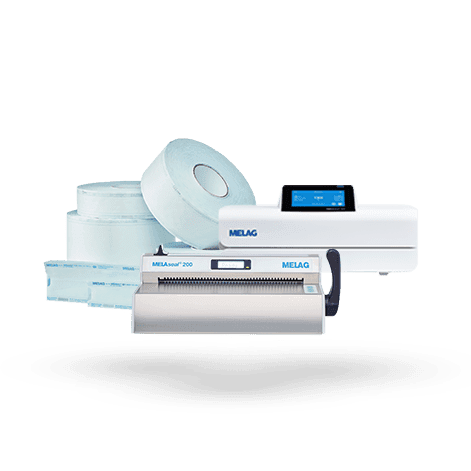
This can be done by sealing them in sterilization pouches using a sealing device or by assembling them in sterilization containers. This step should be performed in a clean area of the decontamination room using approved products. The following points should be considered when packaging individual instruments in sterilization pouches:
Protective caps should be used for sharp instruments to prevent damage to the sterilization packaging;
Instruments with hinges must be opened easily to ensure proper sterilization;
Sterilization pouches should not be filled more than 75% full and should not exceed a maximum weight of 3 kg per package.

Step five: Steam sterilisation

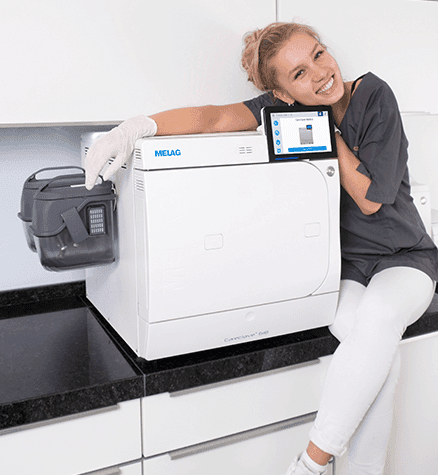
The sterilisation process is systematically carried out only after meticulous cleaning and disinfection of instruments. Steam sterilisation at 134°C is the preferred standard procedure due to its low dependence on influencing factors. It is crucial to ensure that steam has access to all the outer and inner surfaces of the instruments. Instruments with complex hollow bodies, such as dental handpieces, should be sterilised in a class B autoclave.

Class B autoclaves enable the sterilisation of both wrapped and unwrapped instruments, no matter their type and complexity. The fractionated vacuum reduces the air in the sterilisation chamber through repeated evacuation and steam injection. This process permits the sterilisation not only of solid and porous instruments, but also of complex hollow body instruments with narrow lumen such as surgical hand pieces.

During the sterilisation process, sealed pouches should be placed on the tray with the paper side facing downwards, multiple pouches should not be stacked on top of each other to ensure effective sterilisation and a helix test body can be used for controlling the sterilisation result of hollow body instruments.

Step six: Documentation, approval, and labelling

The instrument decontamination process is completed by obtaining batch approval, which must be performed and documented by authorised personnel. This approval is based on the process parameters determined during decontamination, as well as the validation and installation reports. The approval of the steam steriliser involves documenting batch-related tests and checking the integrity and dryness of the instruments and packaging.

To ensure legal certainty and reliable traceability, it is essential to maintain a complete documentation of instrument decontamination logs and reports for a minimum of five years. It is recommended to store records for 30 years to mitigate liability risks. Digital data carriers can be utilised to facilitate long-term storage. Additionally, the label or batch number must be transferred to the patient record after instrument use to ensure complete tracebility.

Step seven: Storage of instruments


Sterile instruments must be protected from recontamination during transport and storage. Therefore, the sterilised instruments should be safely wrapped to prevent recontamination. They should be stored at room temperature in a clean and dry location, shielded from dust. Careful handling is necessary to avoid damage and loss of sterility. It is recommended not to store individually wrapped instruments for more than six months. Seals around instrument storage cupboards' doors offer additional protection against dust and external influences, preserving the sterilised instruments' integrity.

CONCLUSION

Implementing a comprehensive hygiene workflow for instrument reprocessing is of utmost importance in maintaining patient safety and preventing the spread of infections in dental practices. Dr Teh's practice executes stringent procedures, including: proper instrument preparation, cleaning, disinfection, drying, inspection, packaging, sterilisation, documentation, and storage.
MELAG's system solution, encompassing autoclaves, washer-disinfectors, sealing devices, and software solutions, supports
Dr Teh's practice with a comprehensive and coordinated approach to instrument reprocessing. The advantages of a central contact for instrument reprocessing inquiries, cost optimisation through synchronised device service, and a process-optimised operating concept underscore the effectiveness and value of MELAG's system solution. In employing this solution, Dr Teh's practice has enhanced their instrument reprocessing practices, ensuring better patient care, optimal efficiency, and adherence to high standards of hygiene and safety.